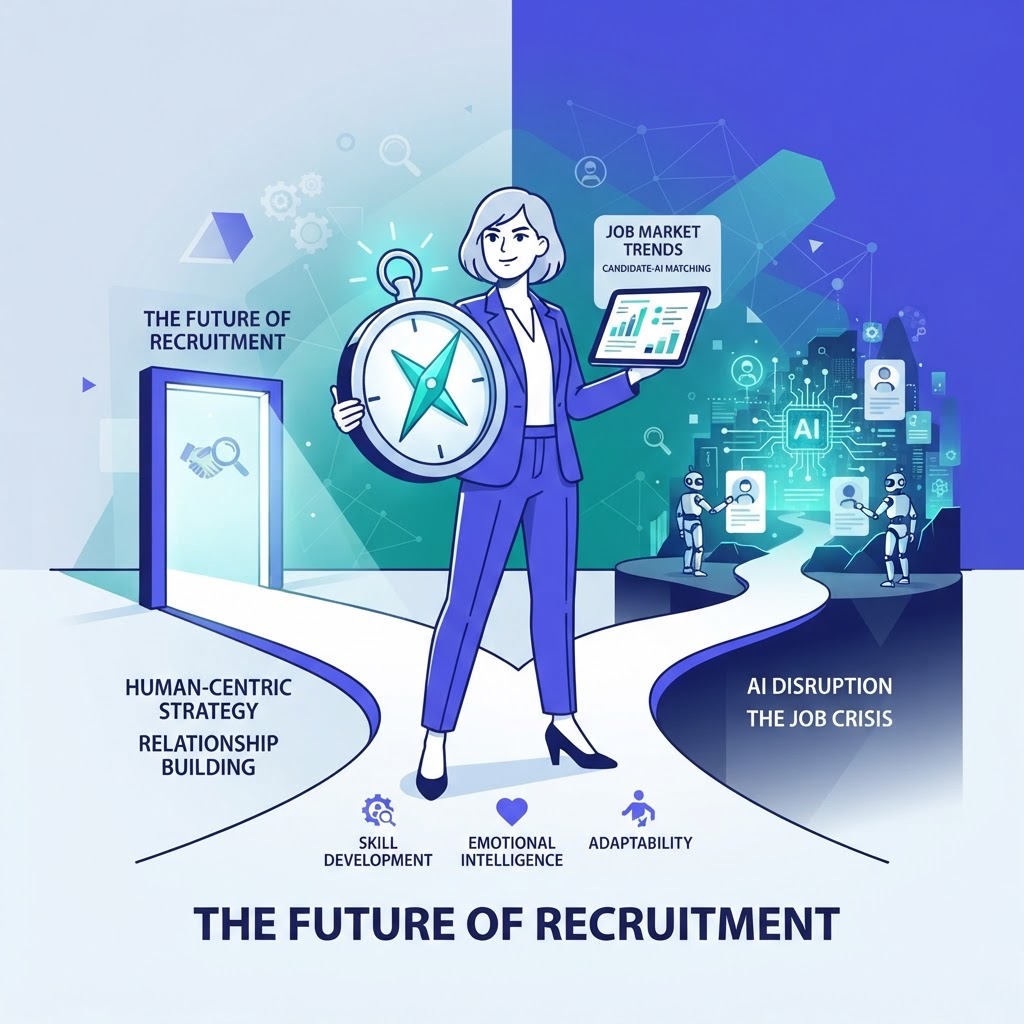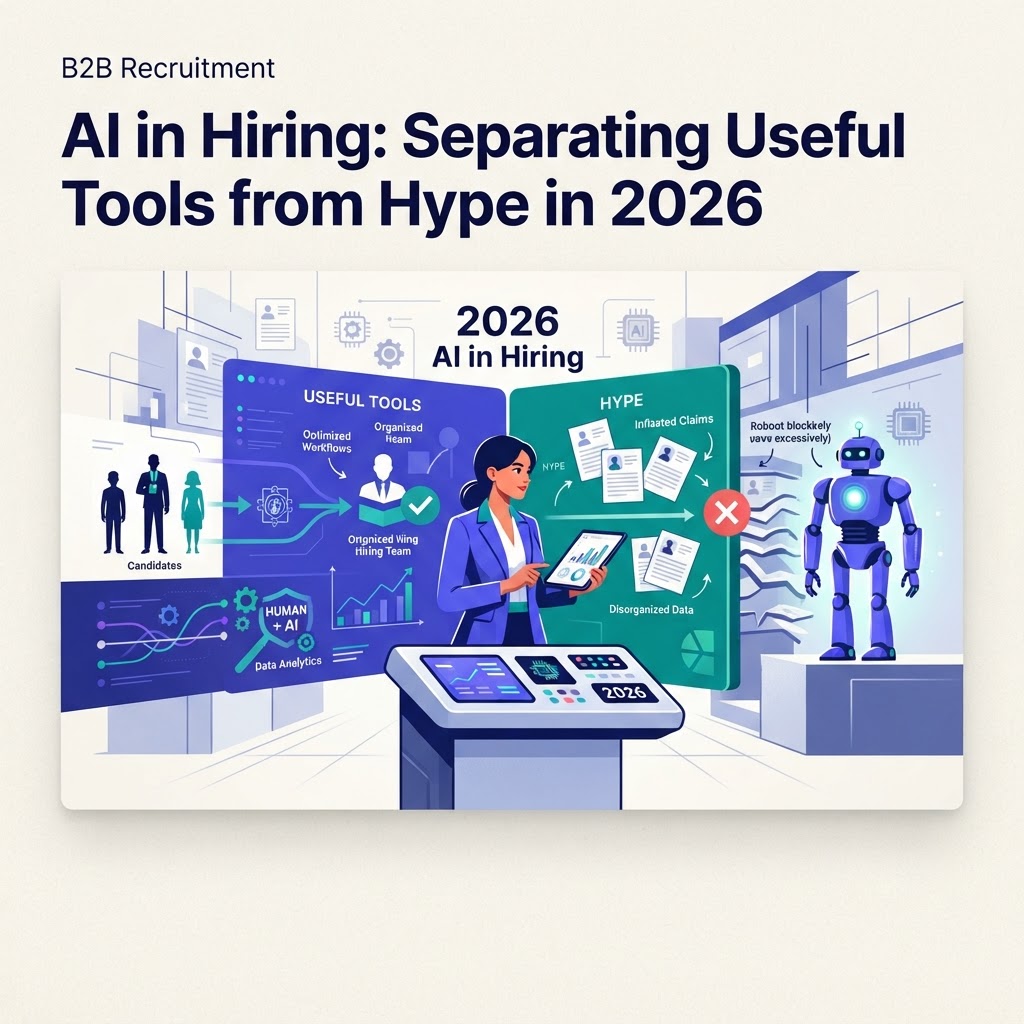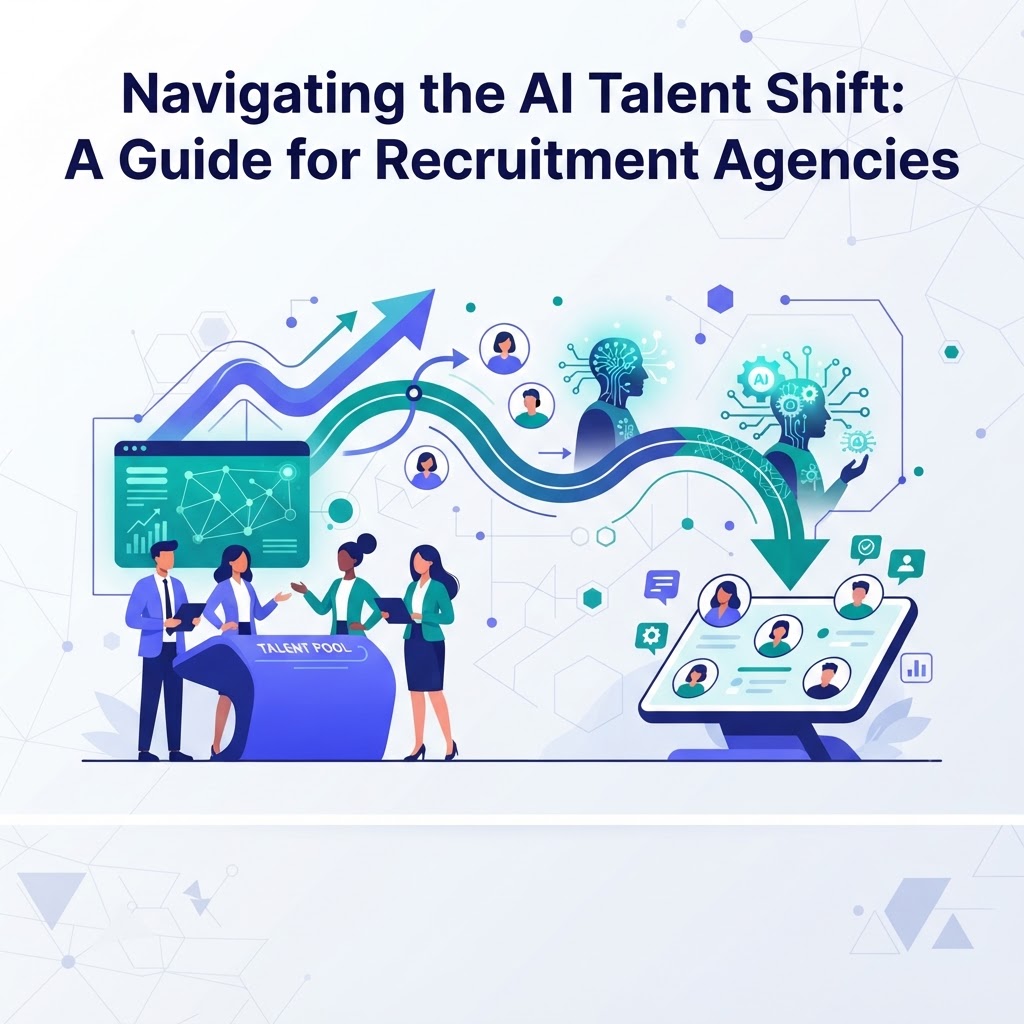
The rapid advancement of artificial intelligence has triggered a seismic shift in the global labor market. While headlines often focus on displacement, the reality for recruitment agencies is far more nuanced. As traditional roles in sectors like customer support, entry-level data entry, and basic coding undergo automation, a new demand for human-centric skills and AI-augmented roles has emerged. Agencies that view this transition through a lens of fear will lose ground; those that see it as a mandate for reskilling will become essential partners in the new economy.
The Anatomy of the AI Talent Crisis
According to recent workforce studies, nearly 40% of global employment is exposed to AI automation. However, exposure does not mean total job destruction. Instead, it means job transformation. Recruitment agencies are currently seeing a decline in requisitions for junior-level administrative roles, but a simultaneous spike in demand for AI-literate managers, prompt engineers, and ethical compliance officers. The "crisis" is actually a friction problem: there are millions of talented professionals with legacy skills who are ready to transition, yet they are currently invisible to hiring managers who only search for exact past-title matches.
Shifting from Placement to Career Partnership
To bridge the gap between displaced talent and the new AI-era workplace, recruiters must move away from transactional "match-and-place" models. Success now requires a consultancy-led approach. This involves evaluating candidates not just on their past job titles, but on their cognitive flexibility and ability to learn new tools. When you encounter a candidate whose role has been automated, look for the underlying skill set: analytical thinking, project management, or creative problem-solving. These are the traits that survive the AI transition.
The Role of Data in Talent Recovery
One of the greatest mistakes agencies make during market shifts is losing touch with their database. When roles vanish, many agencies archive or ignore candidates who don't fit current "hot" job descriptions. This is a massive missed opportunity. With RecruiterCRMFlow, agencies can segment their talent pools based on evolving skill sets rather than static job titles. If you aren't using an ATS to tag candidates with their "potential to pivot," you are essentially throwing away your most valuable assets. RecruiterCRMFlow allows you to track these candidates, nurture them with reskilling content, and present them as pre-qualified, agile talent to your clients.
Actionable Steps for Reskilling Initiatives
Agencies can actively facilitate this transition by acting as bridge-builders. Consider these strategies to stay ahead of the curve:
-
Create "Skill-Gap Audits" for your clients to show how AI-augmentation can improve their team efficiency.
-
Implement short-form digital assessment tools to identify candidates who possess high learning agility.
-
Partner with online certification platforms to offer your candidates "career bridge" credentials before they hit the market.
-
Use automated workflows in RecruiterCRMFlow to keep displaced candidates engaged with industry news, ensuring they remain loyal to your agency while they transition into new roles.
Technology as the Foundation for Survival
In a fast-moving market, time is your scarcest resource. The manual effort required to manually cross-reference candidate skills against new AI-driven job requirements is unsustainable. Agencies that rely on spreadsheets or outdated systems will inevitably lose the best candidates to competitors who react faster. RecruiterCRMFlow centralizes your communication, automates the nurturing process, and provides a clear view of your talent pipeline, ensuring that no candidate is left behind during this period of industry disruption.
Conclusion
The AI revolution is not an end for recruiters; it is an evolution. By focusing on reskilling, leveraging the right CRM infrastructure, and positioning your agency as a strategic career partner, you can turn this period of uncertainty into your firm's greatest competitive advantage. The recruiters who succeed will be those who curate talent for the future, not just those who fill slots for the past.