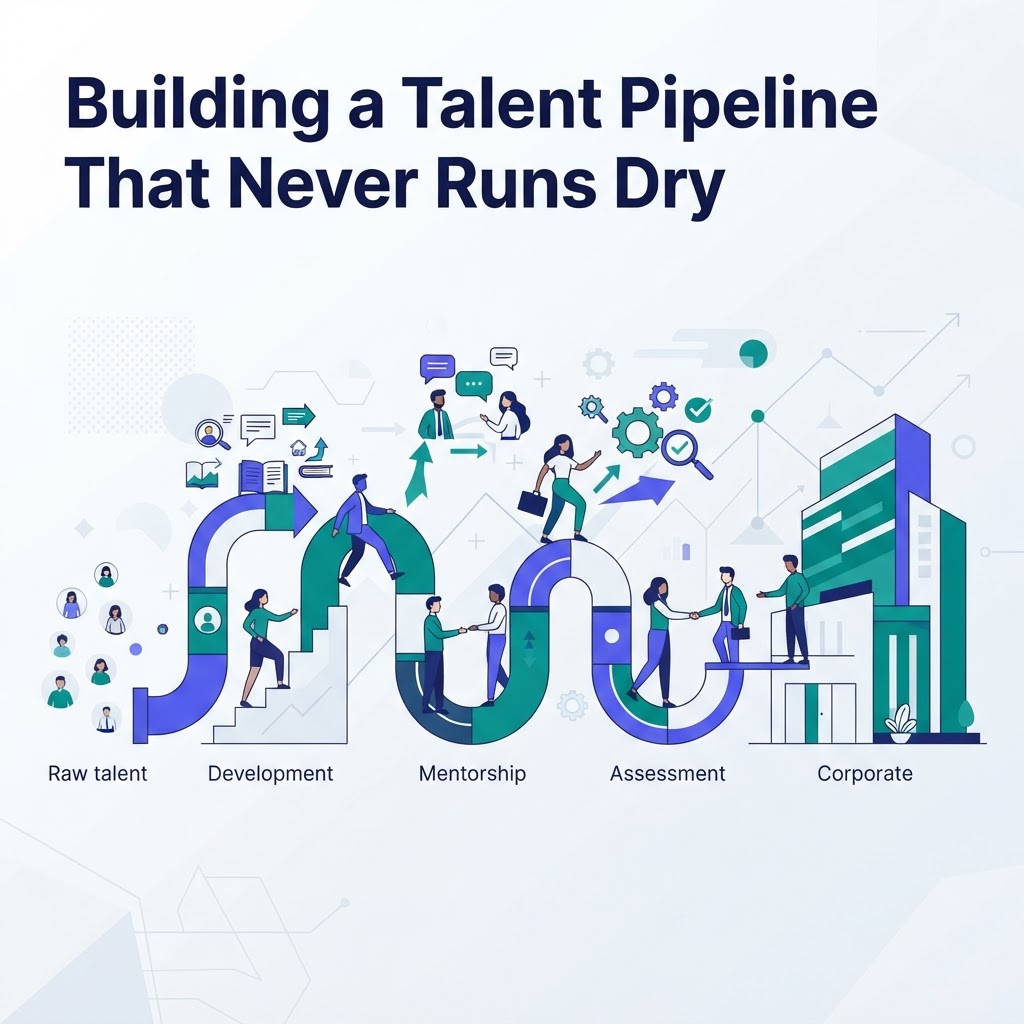
In today's competitive hiring landscape, relying on reactive recruitment – posting a job and waiting for applications – is a recipe for disaster. It leads to extended time-to-hire, missed opportunities, and often, compromises on candidate quality. The solution lies in proactive pipeline building: cultivating a continuous flow of qualified talent before you even have a specific role to fill. This approach transforms recruitment from a scramble into a strategic advantage, ensuring you have a robust pool of potential hires ready at a moment's notice.
Building a talent pipeline that never runs dry isn't about magic; it's about a systematic, ongoing process. It involves identifying future needs, understanding your target candidate profiles, and actively engaging with potential hires long before a job opening appears. This proactive stance allows you to bypass the urgency that often plagues reactive hiring, enabling more thoughtful selection and better integration of new team members.
The Power of Proactive Talent Sourcing
Proactive sourcing means looking beyond active job seekers. It involves identifying individuals who might be passively looking or not looking at all but possess the skills and experience your company will need. This might include top performers at competitor companies, individuals in adjacent industries, or even promising recent graduates with a strong academic background. Tools like LinkedIn Recruiter, industry-specific forums, and professional networks are invaluable here. The key is to start building relationships early, demonstrating your company's value proposition and creating a positive impression that might pay dividends months or years down the line.
Without a system to track these potential candidates, however, valuable connections can be lost. A robust recruiting CRM like RecruiterCRMFlow is essential for managing these proactive sourcing efforts. It allows you to tag individuals, note their skills, and track communication history, ensuring no potential candidate slips through the cracks.
Creating and Managing Talent Pools
Talent pools are essentially curated collections of candidates grouped by specific skills, experience levels, or even potential future roles. Instead of having a disorganized list of contacts, think of them as highly organized, searchable databases. For example, you might create pools for "Senior Software Engineers (Java)", "Marketing Managers (SaaS)", or "Entry-Level Sales Associates".
Building these pools involves consistently sourcing and adding relevant candidates. A good starting point is to leverage your existing candidate database, but don't stop there. Attend industry events, engage on social media, and encourage employee referrals. Each interaction is an opportunity to identify and tag potential future hires. RecruiterCRMFlow helps you categorize and tag candidates, making it incredibly easy to search and retrieve individuals for specific talent pools when a need arises. This ensures you’re not starting from scratch every time.
Leveraging Your Recruiting CRM for Pipeline Health
A recruiting CRM is the backbone of an effective talent pipeline strategy. It centralizes all candidate information, communication history, and relevant notes. Without one, managing a growing pipeline becomes chaotic. Imagine trying to remember who you spoke to last year about a potential VP role, what their salary expectations were, and their key skills – it's impossible and inefficient.
A CRM like RecruiterCRMFlow provides a single source of truth. It allows you to:
- Track candidate interactions: Log every email, call, and meeting.
- Segment candidates: Create custom fields and tags for detailed categorization.
- Automate outreach: Set up drip campaigns for nurturing passive candidates.
- Monitor pipeline health: Visualize your pipeline and identify bottlenecks.
- Maintain engagement: Schedule follow-ups to keep relationships warm.
This structured approach prevents valuable contacts from becoming cold leads and ensures that when a role opens, you have a shortlist of engaged, pre-qualified candidates ready to go.
Nurturing Candidate Relationships
Building a talent pipeline isn't a one-time task; it's an ongoing relationship-building exercise. Candidates, especially passive ones, need to feel valued and engaged. Regular, non-intrusive communication is key. This could involve sending relevant industry news, inviting them to webinars, or sharing insights about your company culture and growth.
Utilize your CRM to schedule these nurturing activities. For instance, you can set reminders to check in with high-potential candidates every six months, or automate a monthly newsletter for specific talent pools. Personalization is crucial; generic messages are easily ignored. Use the data in your CRM to tailor your communications based on their skills, interests, and past interactions. A personalized outreach can significantly increase the likelihood of a candidate being receptive when a role aligns with their profile.
Measuring Pipeline Success
To ensure your pipeline-building efforts are effective, you need to measure their impact. Key metrics include:
- Pipeline growth rate: How quickly are you adding new, qualified candidates?
- Source of hires: Where are your best candidates coming from (e.g., proactive sourcing, referrals, job boards)?
- Time-to-fill from pipeline: How much faster can you fill roles using your existing pipeline versus external sourcing?
- Candidate engagement scores: How responsive are candidates in your pipeline to outreach?
Recruiting CRMs like RecruiterCRMFlow often have built-in reporting features that allow you to track these metrics. Analyzing this data helps you refine your sourcing strategies, identify which talent pools are most valuable, and optimize your nurturing campaigns for maximum ROI.
Conclusion: The Future of Recruitment is Proactive
A constantly replenished talent pipeline is no longer a luxury; it's a necessity for sustainable growth and competitive advantage. By embracing proactive sourcing, strategically building and managing talent pools, and leveraging the power of a dedicated recruiting CRM like RecruiterCRMFlow, you can ensure your organization always has access to the talent it needs. This shift from reactive to proactive recruitment not only saves time and resources but also leads to higher quality hires and a stronger employer brand. Start building your evergreen pipeline today, and never face a hiring shortage again.