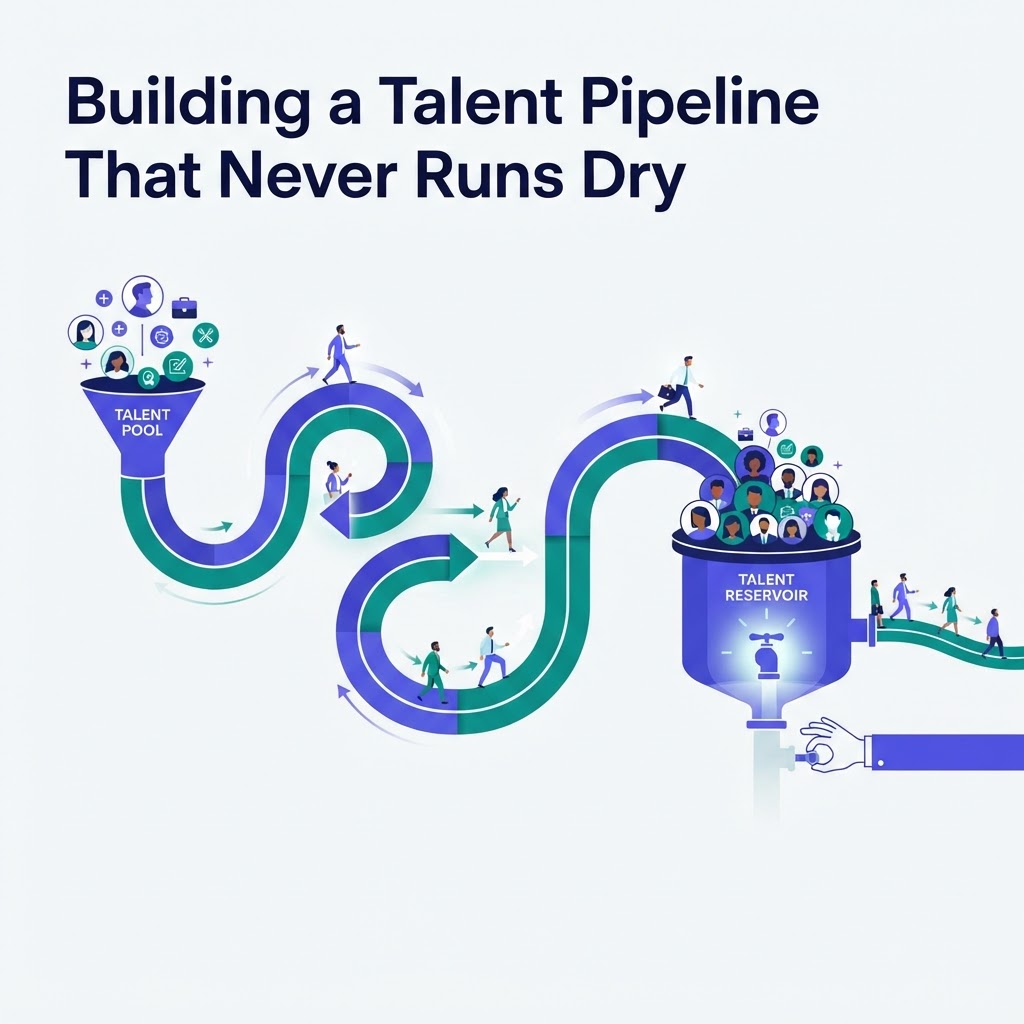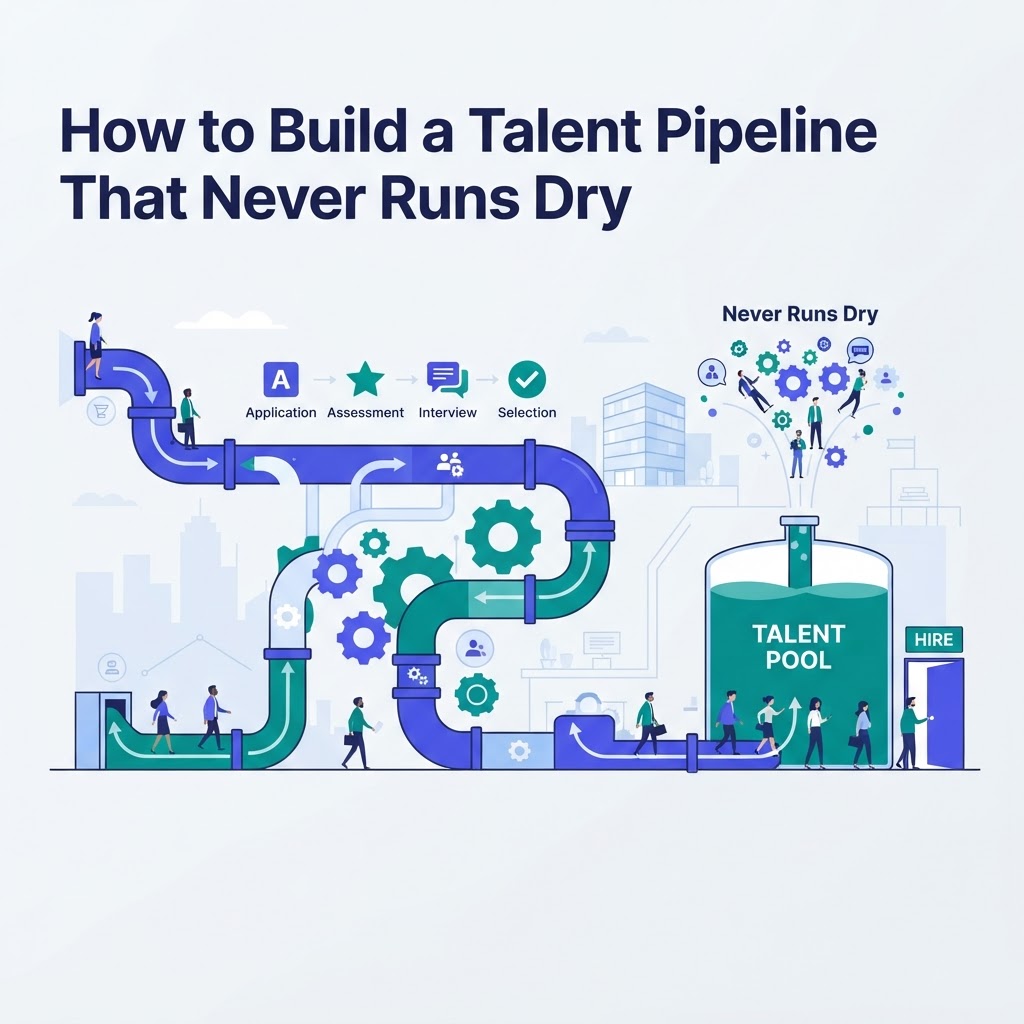
Most recruiters operate on a feast-or-famine cycle. They scramble to source candidates the moment a job requisition lands on their desk, only to have their pipeline wither away once that role is filled. This reactive approach is not only stressful; it is expensive. The secret to consistent hiring success lies in building a talent pipeline that never runs dry, treating recruitment as an ongoing marketing and relationship-building engine rather than a series of transactional events.
Shift from Reactivity to Proactive Talent Pooling
Proactive pipeline building is the practice of engaging with candidates who are not currently looking for a job but are interested in your organization's mission. The goal is to create a 'warm' talent pool. Instead of waiting for a vacancy, map out the roles you hire for most frequently and dedicate two hours a week to identifying 10 potential candidates for each of those roles. By the time a requisition opens, you already have a network of prospects who are familiar with your brand.
The Role of a Recruiting CRM in Pipeline Management
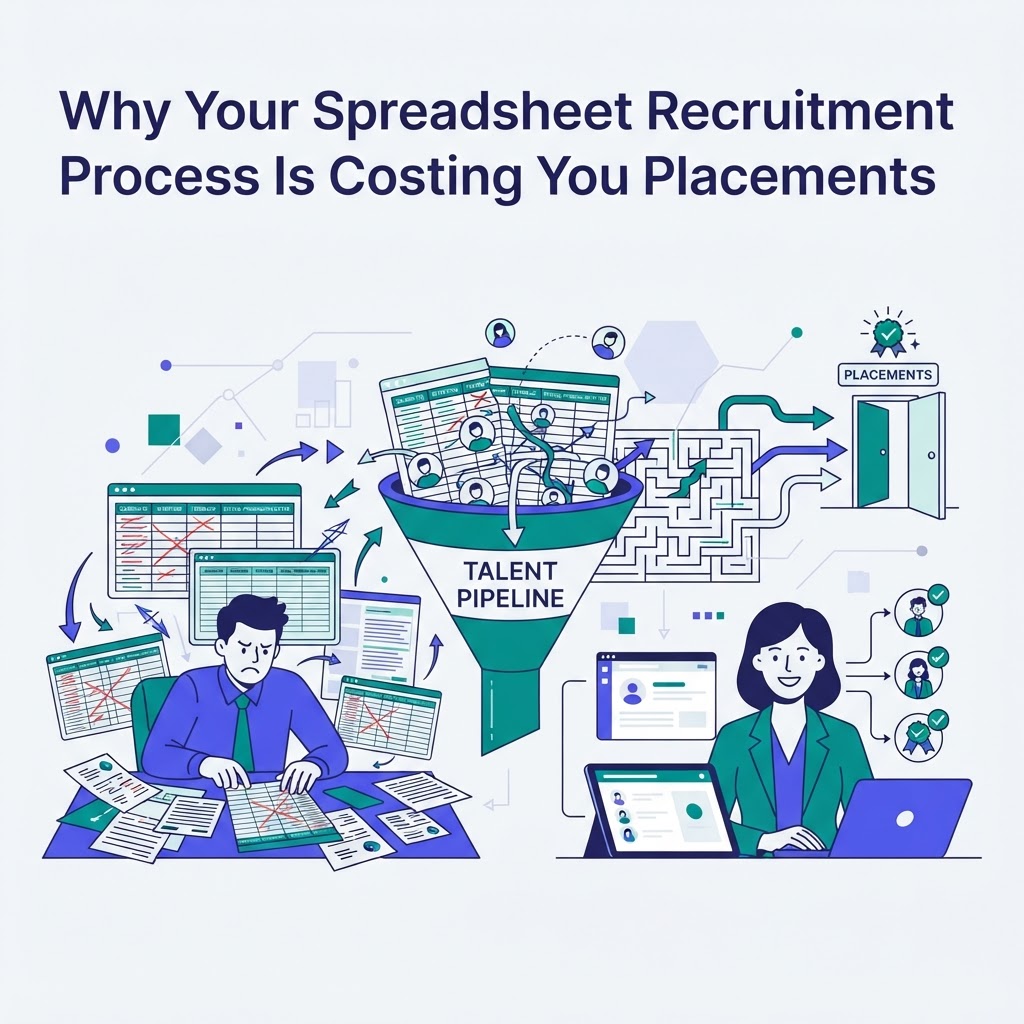
One of the biggest failures in modern recruiting is the loss of candidate data. When recruiters rely on disconnected spreadsheets or email inboxes, they lose track of top-tier talent who weren't a fit for a specific role three months ago. This is where RecruitingCRMFlow becomes essential. By centralizing your interactions in a robust CRM, you ensure that every touchpoint—emails, interview feedback, and skill updates—is stored in one place. With RecruitingCRMFlow, you stop losing candidate history, allowing you to turn cold leads into future hires with a single click.
Segmentation for Personalized Engagement
Generic outreach is the death of a talent pipeline. To keep candidates engaged, you must segment your database effectively. Divide your talent pool based on seniority, technical skill sets, and industry interest. For example, rather than sending a blast email to your entire list, target your 'Senior Python Developers' segment with a piece of content regarding a new AI project your team is launching. Platforms like RecruitingCRMFlow allow you to automate these segments, ensuring that candidates receive content relevant to their career stage, which keeps them warm for months or even years.
The Power of Continuous Nurture Campaigns
Nurture campaigns are not just for sales; they are critical for talent acquisition. A candidate who isn't ready to move today might be ready in six months. Your goal is to remain top-of-mind during that interval. Build a cadence of communication that provides value rather than just asking for a resume update. Share company culture videos, industry insights, or invitations to exclusive webinars. Data shows that candidates who are engaged via consistent, value-added communication are 30% more likely to respond when a formal job offer is eventually extended.
Measuring Pipeline Velocity and Conversion
If you aren't measuring it, you cannot improve it. Tracking your pipeline health requires looking at three key metrics: time-to-fill, source-of-hire, and pipeline conversion rates. How many people in your CRM do you need to contact to result in one interview? By using the reporting features in RecruitingCRMFlow, you can identify exactly where your funnel is leaking. If you have 500 candidates in your CRM but your interview rate is low, it might be time to refine your initial outreach messaging rather than spending more money on job board ads.
Conclusion
Building a talent pipeline that never runs dry requires a mindset shift from 'filling seats' to 'cultivating relationships.' By leveraging a centralized tool like RecruitingCRMFlow to manage your talent pools, segment your audience, and automate your nurture sequences, you remove the chaos from the hiring process. Stop relying on luck to find your next hire and start building an asset that grows in value with every single interaction.