In today’s hyper-competitive job market, relying solely on reactive recruiting—posting a job and praying for the right applicant—is a recipe for failure. Top-tier talent is rarely actively searching; they are passive candidates waiting for the right moment or the right opportunity. Building a talent pipeline that never runs dry requires moving away from transactional hiring toward a strategic, relationship-first approach that keeps high-quality leads engaged long before an opening even exists.
The Strategic Shift from Reactive to Proactive
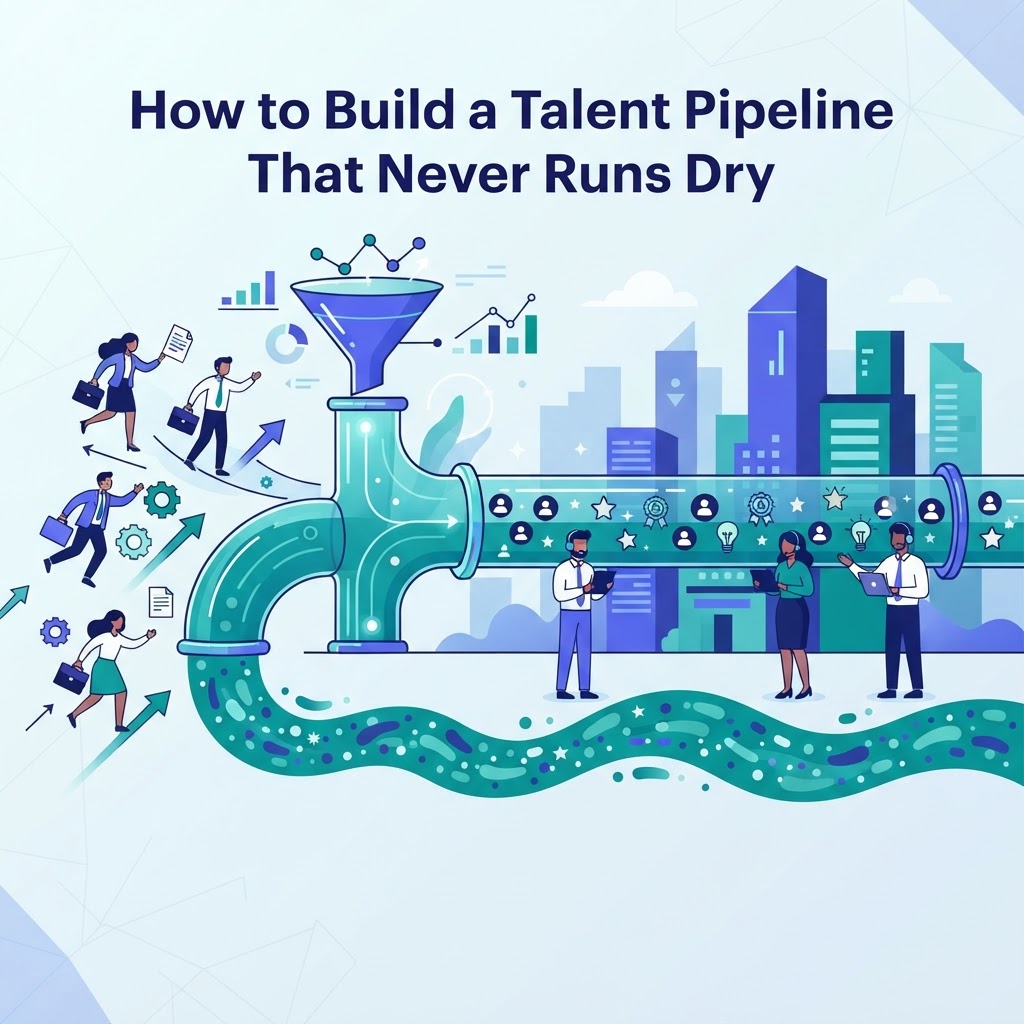
Proactive pipeline building is about treating recruitment like a sales funnel. Just as marketers nurture leads until they are ready to buy, recruiters must nurture candidates until they are ready to jump. Statistics show that top performers are often approached by recruiters multiple times a month. If your process is sporadic, you lose the battle for attention. By categorizing candidates into specific talent pools based on skill sets, seniority, and industry alignment, you create a dedicated reservoir of talent that you can tap into instantly when a requisition opens.
Leveraging CRM Technology to Prevent Lead Leakage
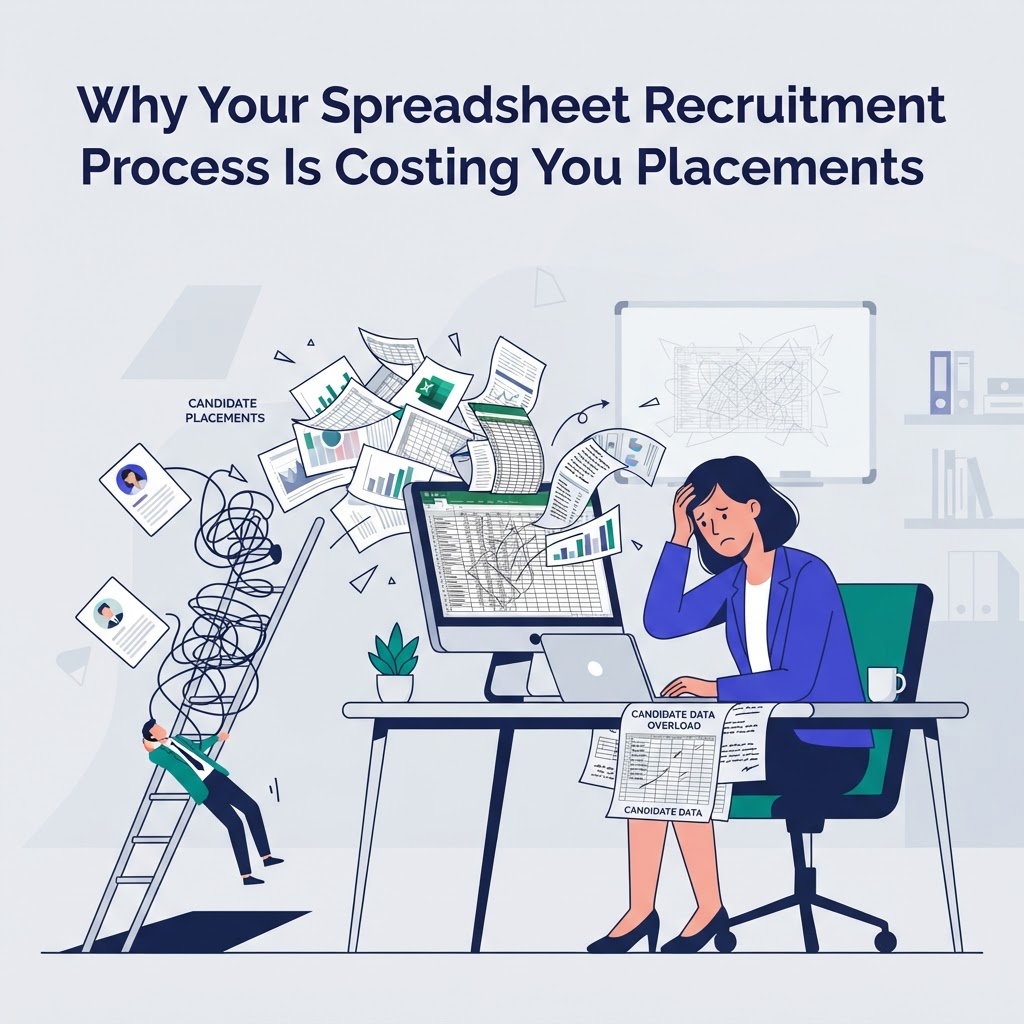
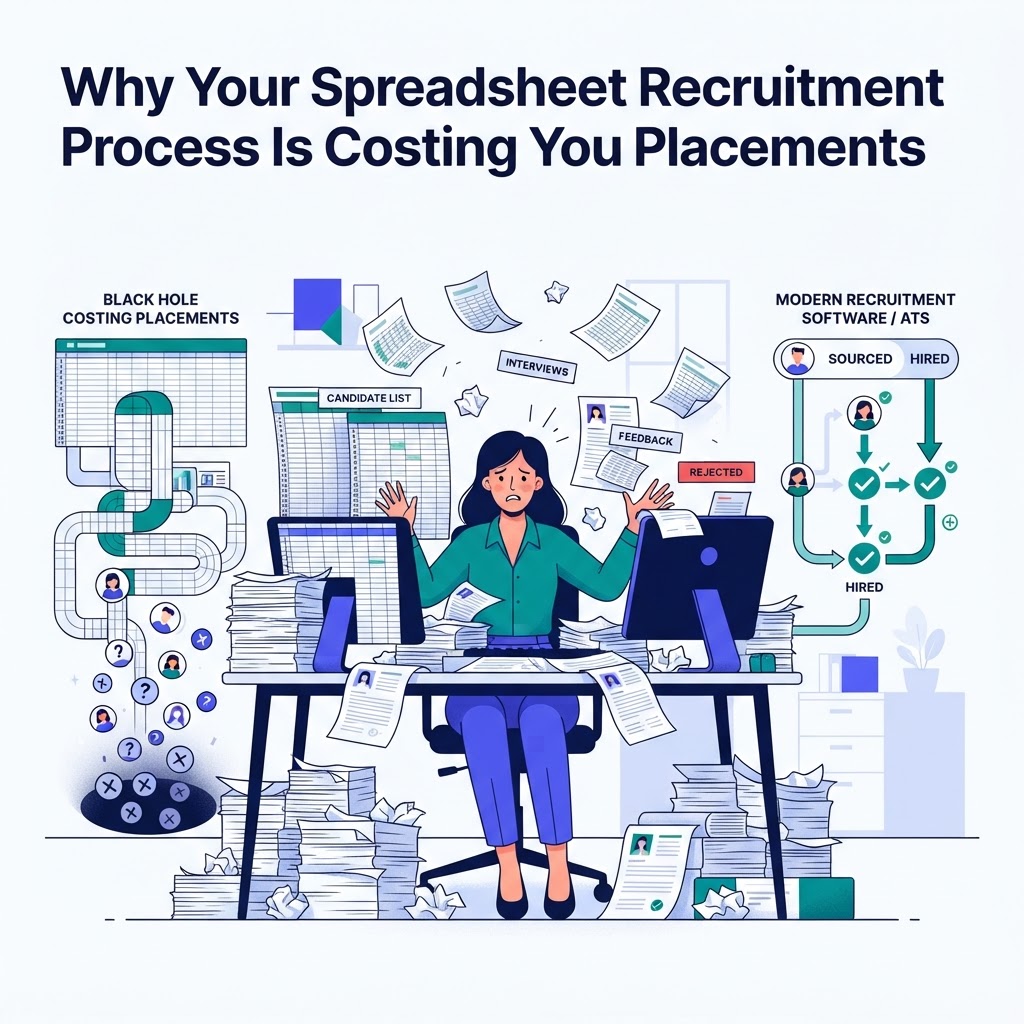
One of the biggest failures in recruitment is the "black hole" of lost contacts. Recruiters often meet incredible professionals at events or via LinkedIn, but without a centralized system, those names are buried in spreadsheets or forgotten in email chains. RecruitingCRMFlow is designed to stop this cycle. It acts as a single source of truth where you can tag, categorize, and track every interaction. When you integrate your outreach with a dedicated CRM, you ensure that no contact is ever lost to administrative disorganization, allowing you to maintain a warm pipeline that is always ready for the next hiring sprint.
Nurturing Talent Pools Through Meaningful Touchpoints
A pipeline is only as good as the relationship you maintain with the people inside it. Building a talent pool isn't just about collecting resumes; it's about providing value. To keep your candidates engaged without being invasive, consider these touchpoints:
- Share company culture updates or behind-the-scenes content that showcases your team's success.
- Send personalized check-ins to candidates you have interviewed previously, asking about their career growth.
- Distribute curated industry insights or relevant article links that demonstrate you care about their career trajectory, not just their next move.
- Leverage automated drip campaigns within RecruitingCRMFlow to ensure consistent engagement without manually emailing hundreds of people a week.
Data-Driven Decisions and Time Management
Efficiency is the secret weapon of a deep pipeline. If you spend three hours manually sourcing for every open role, you aren't pipelining—you are fire-fighting. By using RecruitingCRMFlow to track your conversion rates from first contact to interview, you can identify exactly which sourcing channels provide the best talent. This allows you to reallocate your time toward high-impact activities. For example, if your data shows that 30% of your hires come from networking events, you can focus your energy there while automating the outreach to lower-performing channels.
Converting Passive Prospects into Active Hires
When a role finally opens, you shouldn't have to start from scratch. Your pipeline should allow you to perform a "warm outreach" that feels personal and timely. Because you have used a CRM to record previous conversations, you can reference specific topics discussed months prior. This level of personalization increases response rates by up to 50% compared to cold outreach. When you reach out to someone who is already in your ecosystem, you are not a stranger; you are a trusted connection finally making an offer that aligns with their career goals.
Conclusion
A talent pipeline that never runs dry is the result of consistent, disciplined, and tech-enabled relationship management. By shifting your mindset from filling a seat to building a long-term network, and by utilizing a robust tool like RecruitingCRMFlow to manage the complexity of those relationships, you gain a significant competitive advantage. Start small, organize your existing contacts today, and build a system that turns recruitment into a predictable, scalable asset for your organization.