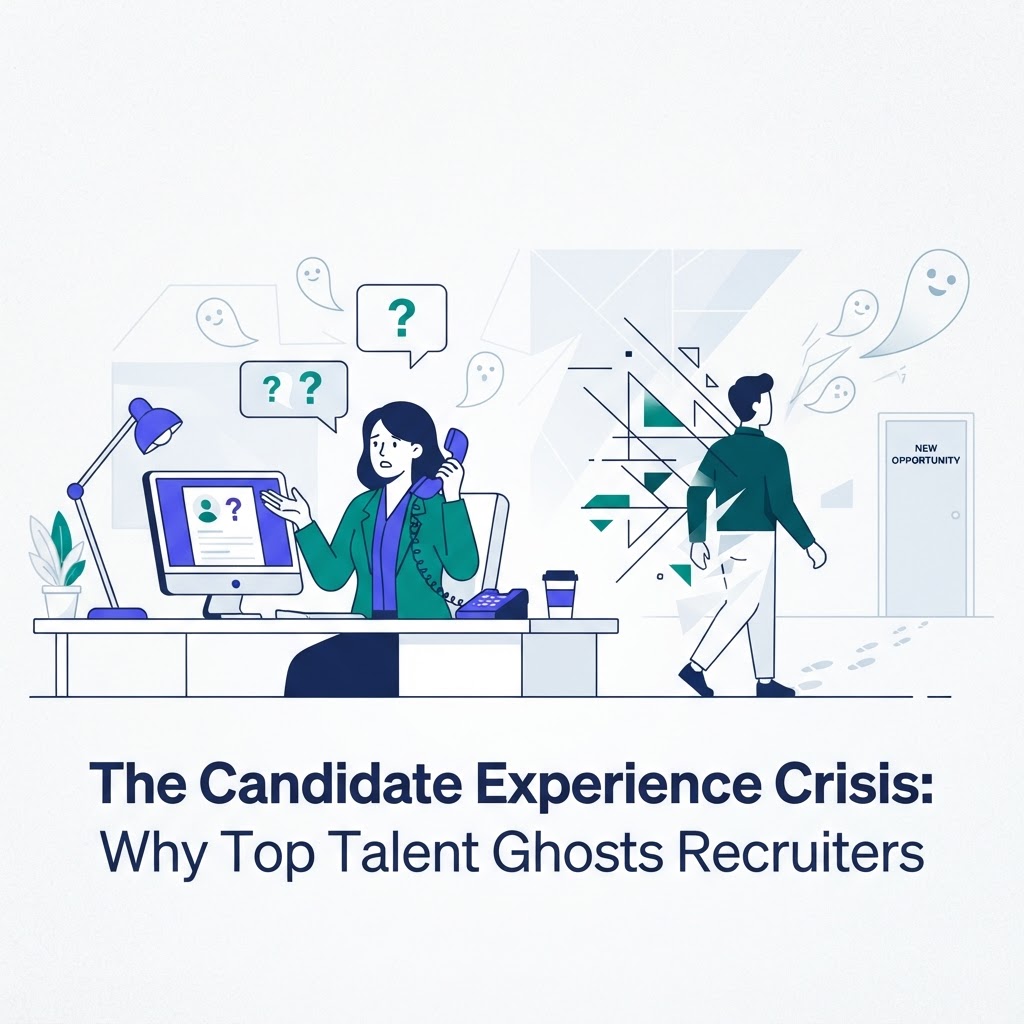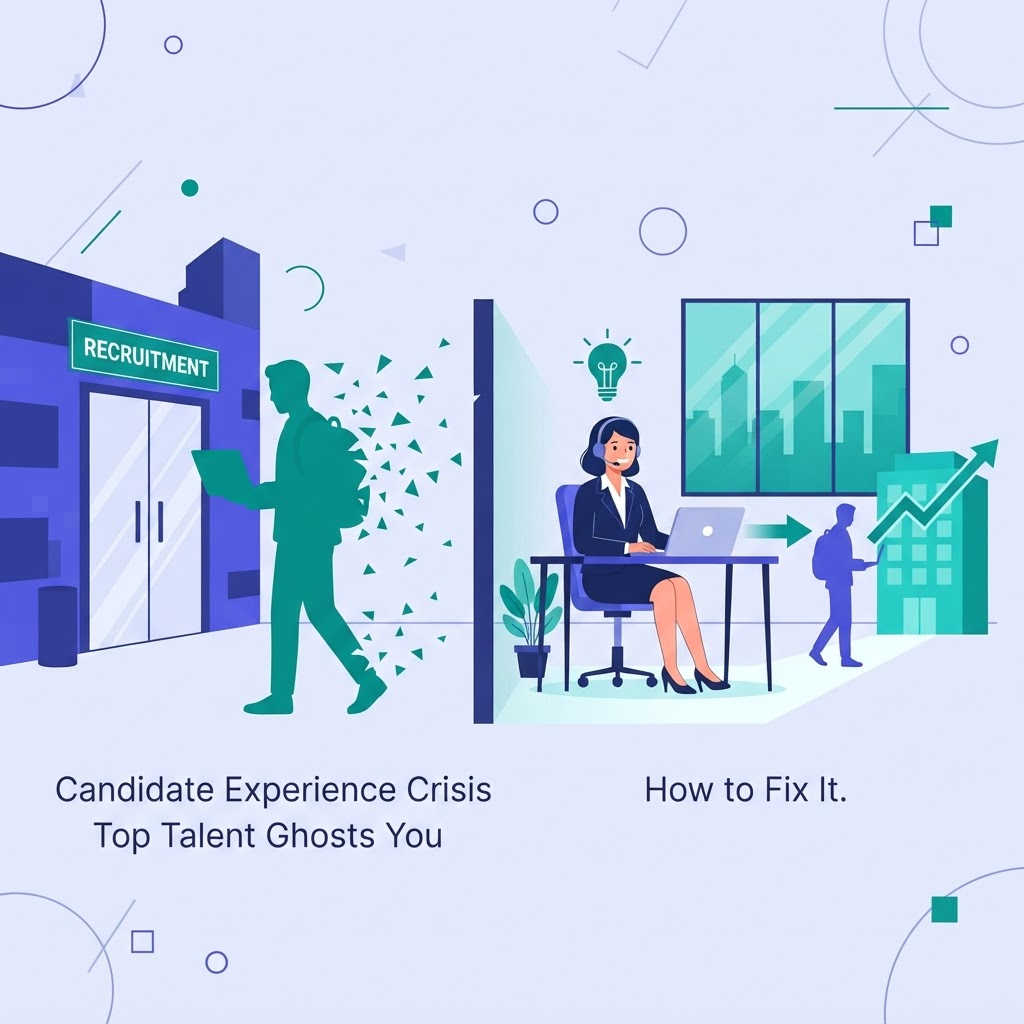
The modern recruitment landscape has shifted from a recruiter-driven market to a candidate-first environment. Despite this, many agencies report that up to 30% of candidates who initiate contact simply stop responding mid-process. This phenomenon, known as ghosting, is rarely about a lack of interest; it is usually a symptom of a fractured candidate experience. When candidates feel like a number in a spreadsheet rather than a partner in a career move, their engagement drops sharply.
The Root Causes of Candidate Ghosting
Ghosting rarely happens in a vacuum. It is the end result of friction points that accumulate throughout the recruitment lifecycle. Data shows that candidates are 70% more likely to disengage if they do not receive a follow-up within 48 hours of an interview. When recruiters rely on manual tracking or messy email threads, these communication windows often slam shut. If a candidate senses that a recruiter has lost track of their details, they interpret this as a lack of professionalism and move on to a competitor who appears more organized.
Why Communication Gaps Destroy Trust
Lack of transparency is the primary driver of candidate attrition. A recruiter who fails to provide timely feedback—whether positive or negative—leaves the candidate in a state of limbo. Top-tier talent is often juggling multiple offers simultaneously. If your agency is slow to communicate, you are effectively signaling to the candidate that they are not a priority. The absence of a centralized system, like RecruiterCRMFlow, makes it nearly impossible to maintain consistent touchpoints across a large volume of applicants, leading to missed opportunities that were once high-potential hires.
The Role of CRM in Modernizing Recruitment
To bridge these gaps, agencies must shift away from manual processes toward CRM-driven engagement. A robust platform like RecruiterCRMFlow acts as the central brain of your recruitment operations. By housing all candidate interactions, historical data, and interview notes in one place, your team can ensure no lead falls through the cracks. Automation tools within the CRM allow for personalized, timely email sequences that keep candidates informed at every stage of the funnel, ensuring that even if you aren't manually checking your inbox every minute, your candidates remain engaged.
Turning Data into Personalized Experiences
Personalization is the antidote to the dehumanizing effects of automated hiring. However, manual personalization is time-consuming and prone to human error. With an integrated CRM, recruiters can segment their talent pools based on specific skills, experience levels, and career interests. This allows for hyper-relevant messaging. Instead of sending generic bulk emails, you can trigger specific workflows that provide value to the candidate, such as:
- Sharing industry-relevant content or salary benchmarks.
- Providing timely status updates on their specific job application.
- Scheduling automated reminders for interview follow-ups.
- Sending personalized invitations to specialized networking events.
Implementing a Frictionless Hiring Process
If you want to stop the ghosting trend, you must audit your candidate journey for friction. Start by mapping out every interaction from initial application to onboarding. Identify where candidates tend to drop off and deploy targeted CRM automations to fill those silence gaps. If candidates stop responding after an initial screening, consider an automated feedback request. If they disappear after a technical assessment, ensure your system is triggering a congratulatory or constructive nudge. The goal is to provide a seamless, high-touch experience that makes the candidate feel supported by your agency rather than just processed by a machine.
Conclusion: Investing in Relationship Lifecycle Management
Candidate ghosting is not an unavoidable cost of doing business; it is a signal that your communication strategy needs a technological upgrade. By investing in a dedicated platform like RecruiterCRMFlow, you transform your agency from a reactive recruiter to a proactive career partner. When you eliminate the friction caused by poor organization, you create a pipeline of talent that is engaged, responsive, and loyal. Stop losing top-tier hires to poor experience and start building relationships that last beyond the initial placement.