The true cost of a bad hire is rarely reflected on a simple ledger. While HR departments often tally the salary paid during a short tenure, the secondary effects of a poor selection ripple across the entire organization. When a candidate fails to integrate or perform, the loss is not merely administrative; it is a profound setback in productivity, team morale, and competitive advantage. Understanding these financial realities is the first step toward implementing a robust defense against future hiring errors.
The True Financial Impact of Talent Mismatch
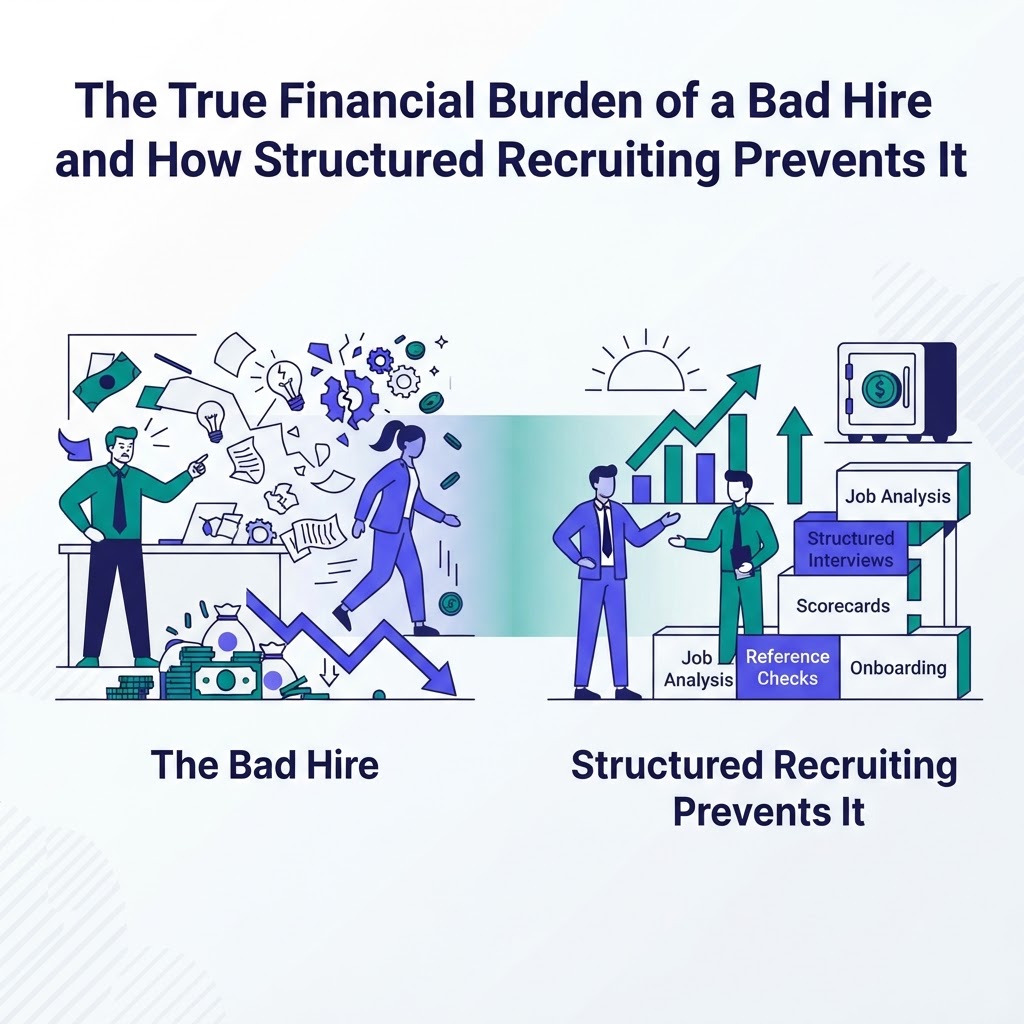
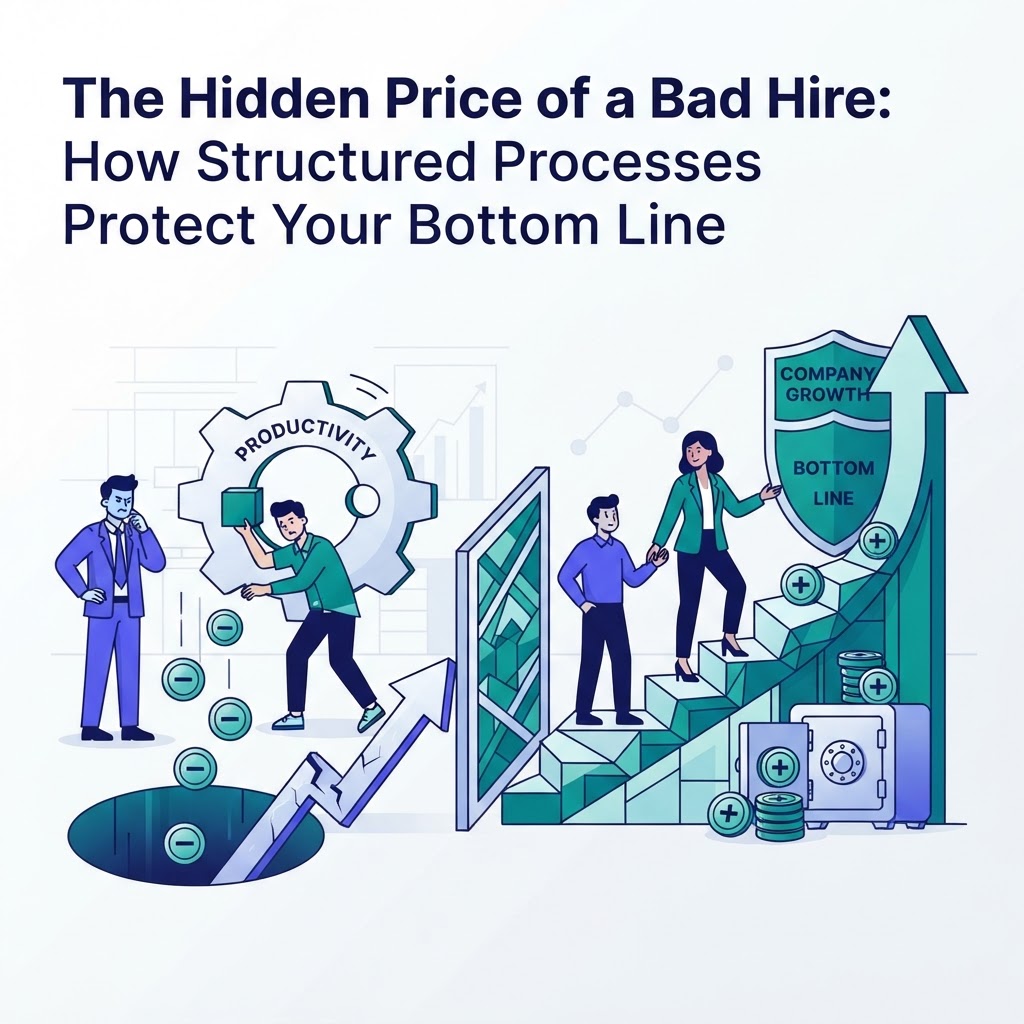
Most experts estimate that a bad hire costs an organization between 30% and 150% of that position’s annual salary. For a role paying $100,000, that is an immediate impact of up to $150,000. These costs arise from several hidden vectors. First, there is the expenditure of recruitment resources, including job board fees, recruiter commissions, and the time spent by hiring managers in repetitive interviews. Second, you face the direct loss of productivity during the onboarding period, as the new employee often fails to contribute at the expected capacity before leaving. Finally, there is the disruption caused to existing teams, who must absorb the workload or engage in corrective management, leading to burnout and decreased engagement among your top performers.
Why Intuition Fails Without Data Guardrails
Many hiring managers still rely on the 'gut feeling' approach, often favoring candidates who seem charismatic or share similar backgrounds. Unfortunately, subconscious bias is the enemy of quality hiring. Without a standardized evaluation framework, different interviewers apply different metrics, leading to inconsistent assessments. This is where a specialized platform like RecruiterCRMFlow becomes essential. By centralizing candidate data and requiring standardized scorecards, our CRM enforces discipline throughout the hiring lifecycle. When you move away from subjective impressions and toward data-driven insights, you mitigate the risk of falling for personality over performance.
The Role of Structured Hiring Workflows
Structured hiring is the systematic process of ensuring every candidate is evaluated against the same objective criteria, using the same questions, and scored against the same rubric. This approach drastically reduces the impact of personal bias and ensures that hiring decisions remain grounded in reality. A structured process typically includes:
- Standardized interview guides for every stage of the funnel.
- Required objective assessments related to job-specific skills.
- Quantitative scoring systems that must be completed before advancing a candidate.
- Collaborative feedback loops that prevent 'siloed' decision-making.
Implementing these steps within RecruiterCRMFlow allows your team to maintain this structure without slowing down the process, ensuring that no candidate falls through the cracks due to disorganized communication.
Preventing Talent Leakage with CRM Integrity
One of the most expensive errors in recruitment is losing track of high-potential talent or failing to follow up with strong candidates because of disorganized data. A bad hire often happens because the 'right' candidate was never engaged properly, forcing the team to rush a sub-optimal hire simply to fill an empty seat. RecruiterCRMFlow solves this by maintaining a persistent history of all interactions. When your candidate pipeline is transparent and organized, you make hiring decisions from a position of strength rather than panic. This visibility prevents the 'time-to-fill' pressure that so often leads to compromised hiring standards.
Long-Term Gains from Process Optimization
Investing in a structured recruitment process is an investment in company culture. Teams that trust the hiring process are more likely to stay, as they know their future colleagues have been vetted with rigorous standards. By utilizing tools that track progress, store interview outcomes, and flag potential issues before they escalate, your agency or HR department becomes a strategic asset rather than a cost center. When you integrate these practices with the robust tracking capabilities of RecruiterCRMFlow, you minimize the volatility of hiring and ensure that every new team member is a genuine asset to the organization.
Ultimately, a bad hire is a systemic failure, not just a personal one. By implementing structured, data-driven hiring workflows and utilizing a dedicated CRM to maintain consistency, you transform your recruitment strategy from a guessing game into a predictable business advantage.