In 2026, the gap between a high-performing talent acquisition team and a struggling one is no longer just about the talent market—it is about the quality of the partnership between hiring managers and recruitment agencies. As the demand for niche skills intensifies, relying on a 'post-and-pray' strategy with your external partners is a recipe for failure. Instead, successful hiring managers are shifting toward a model of radical transparency and integrated workflows, utilizing platforms like RecruiterCRMFlow to bridge the communication divide.
Establishing a Unified Source of Truth
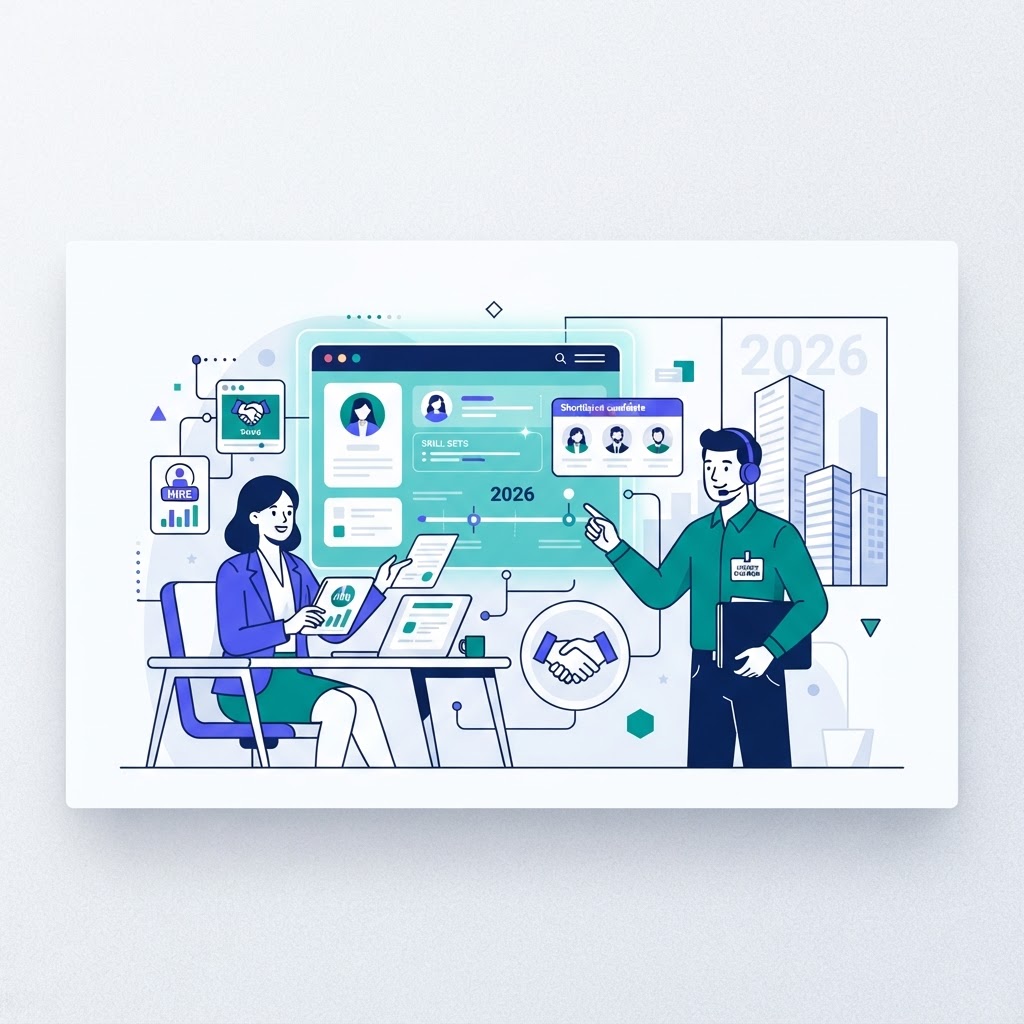
The most common breakdown in the agency-client relationship is the loss of candidate data. In years past, emails were buried, spreadsheets were outdated, and hiring managers had no visibility into why a particular candidate was rejected or passed over. By 2026, the standard for engagement is a shared digital ecosystem. When your agency uses a robust CRM like RecruiterCRMFlow, they aren't just sending you PDFs; they are granting you real-time visibility into the candidate pipeline. This eliminates the 'black hole' effect where resumes go to die, ensuring that every recruiter understands exactly why a candidate does or does not fit your culture.
Data-Driven Feedback Loops
Speed is the currency of the modern talent market. According to recent industry benchmarks, the time-to-hire metric often stagnates because feedback loops between the agency and the hiring manager take too long to close. When feedback is trapped in email chains, it can take up to 48 hours to get a response to a recruiter, often resulting in the loss of top-tier talent. With modern CRM integration, you can provide instant, structured feedback on candidates directly within the platform. This allows agencies to iterate on their search criteria in real-time, effectively reducing the interview-to-offer ratio by approximately 20%.
Moving Beyond the Transactional Model
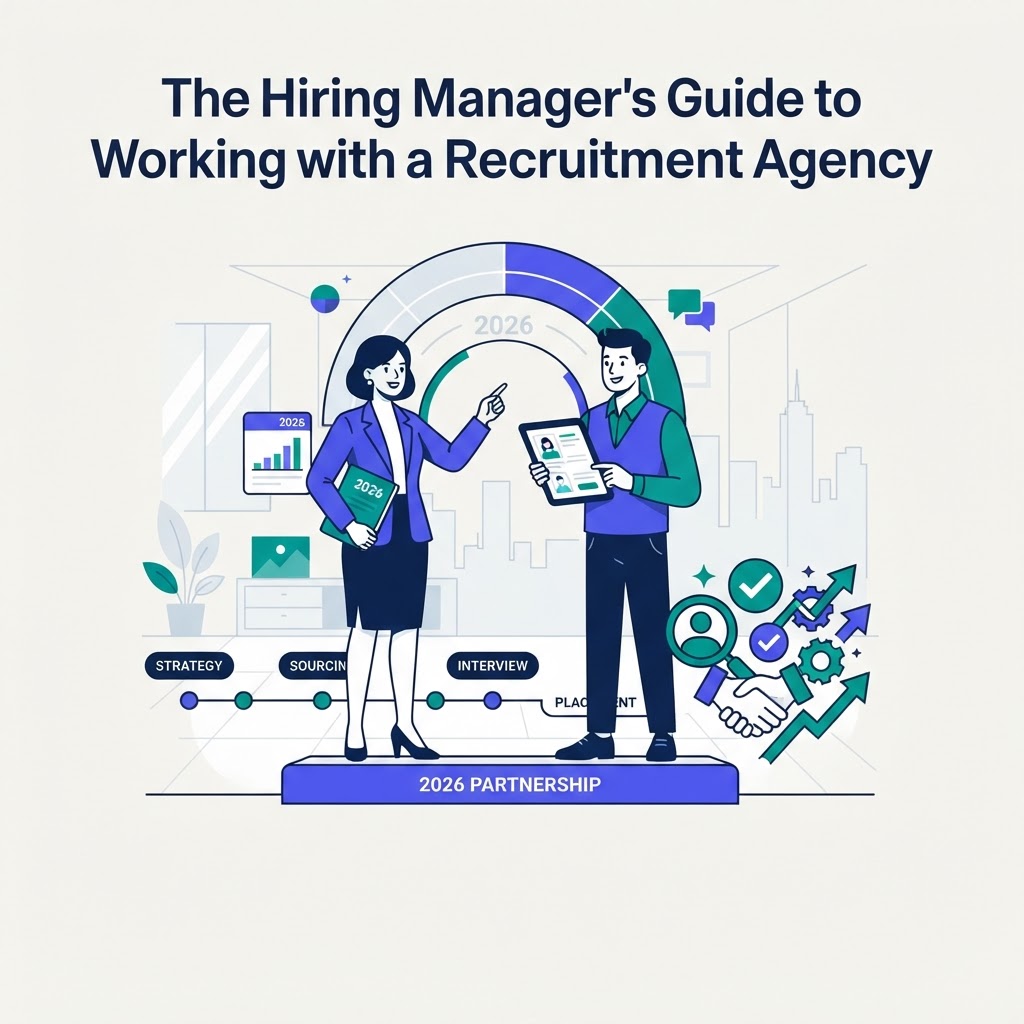
The most successful hiring managers view their agencies as extensions of their internal HR department rather than external vendors. This requires a shift from transactional interactions—where you send a job description and hope for the best—to collaborative search sessions. In 2026, agencies should be prepared to walk you through their sourcing metrics, such as how many passive candidates they have contacted and the conversion rate of those messages. Using RecruiterCRMFlow, agencies can share these metrics with you dashboard-style, allowing you to identify if the issue is a lack of candidates or a misalignment of salary expectations before months of time are wasted.
Standardizing the Candidate Experience
A disorganized hiring process reflects poorly on your company brand. If a candidate hears one thing from a recruiter and something entirely different from a hiring manager, they will likely withdraw their application. Transparency in 2026 means having a unified narrative. By using a shared CRM portal, both your team and your agency can view the exact history of touchpoints with each candidate. This consistency is vital for maintaining a competitive edge when bidding for top-tier talent who are often balancing three or more offers simultaneously.
Scaling Through Technological Alignment
Scalability is impossible without structure. As your hiring needs fluctuate, you need an agency that can ramp up or down without losing institutional knowledge. A common pain point is that when an agency recruiter changes or a new internal hiring manager steps in, the context of previous searches is lost. RecruiterCRMFlow solves this by maintaining a permanent audit trail of every interaction, interview note, and assessment score. This means you never have to start from scratch, even if your hiring team rotates or you switch agency points of contact. You are paying for the search, but you should own the data.
Conclusion
Success in 2026 requires moving past the antiquated barriers between internal hiring managers and external agencies. By prioritizing digital transparency and leveraging tools like RecruiterCRMFlow, you transform recruitment from a fragmented task into a streamlined, data-backed operation. When both parties operate from a shared source of truth, you stop fighting for clarity and start focusing on what really matters: securing the best talent for your organization.