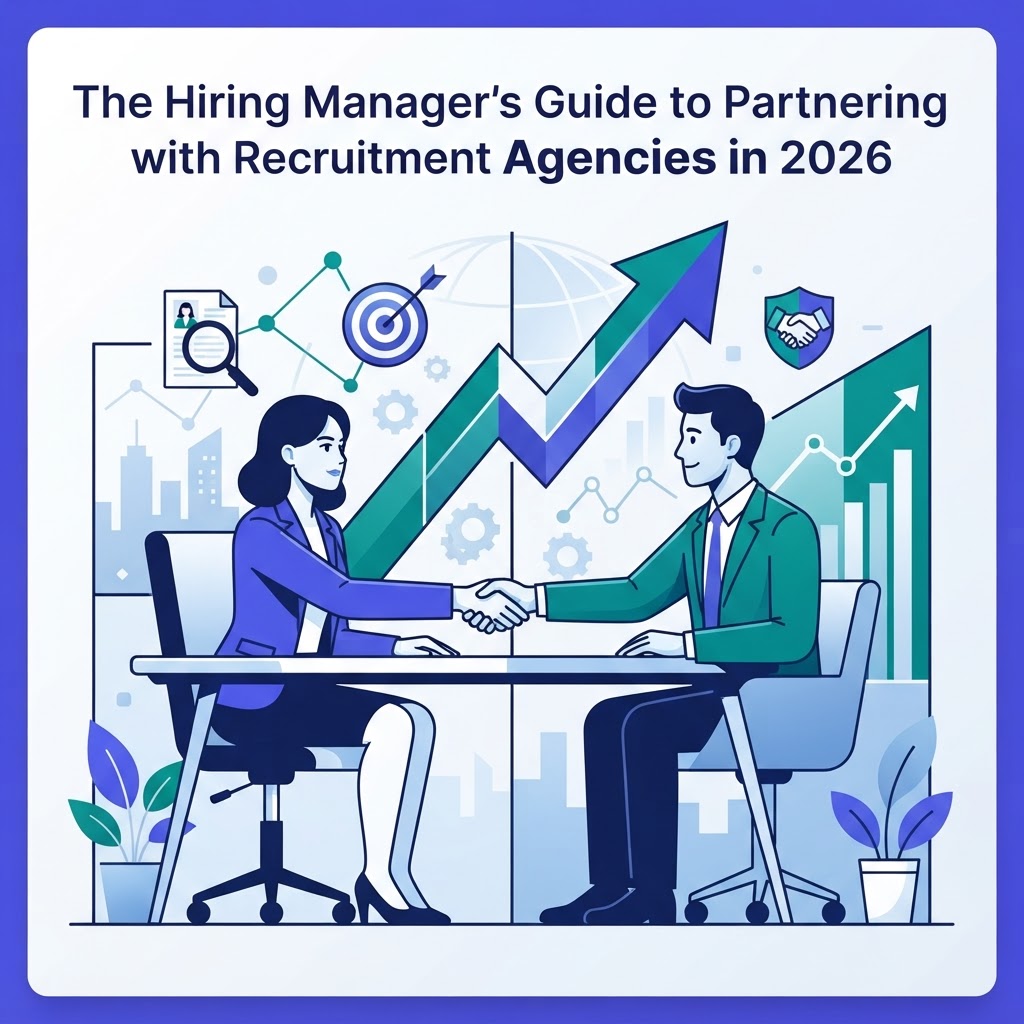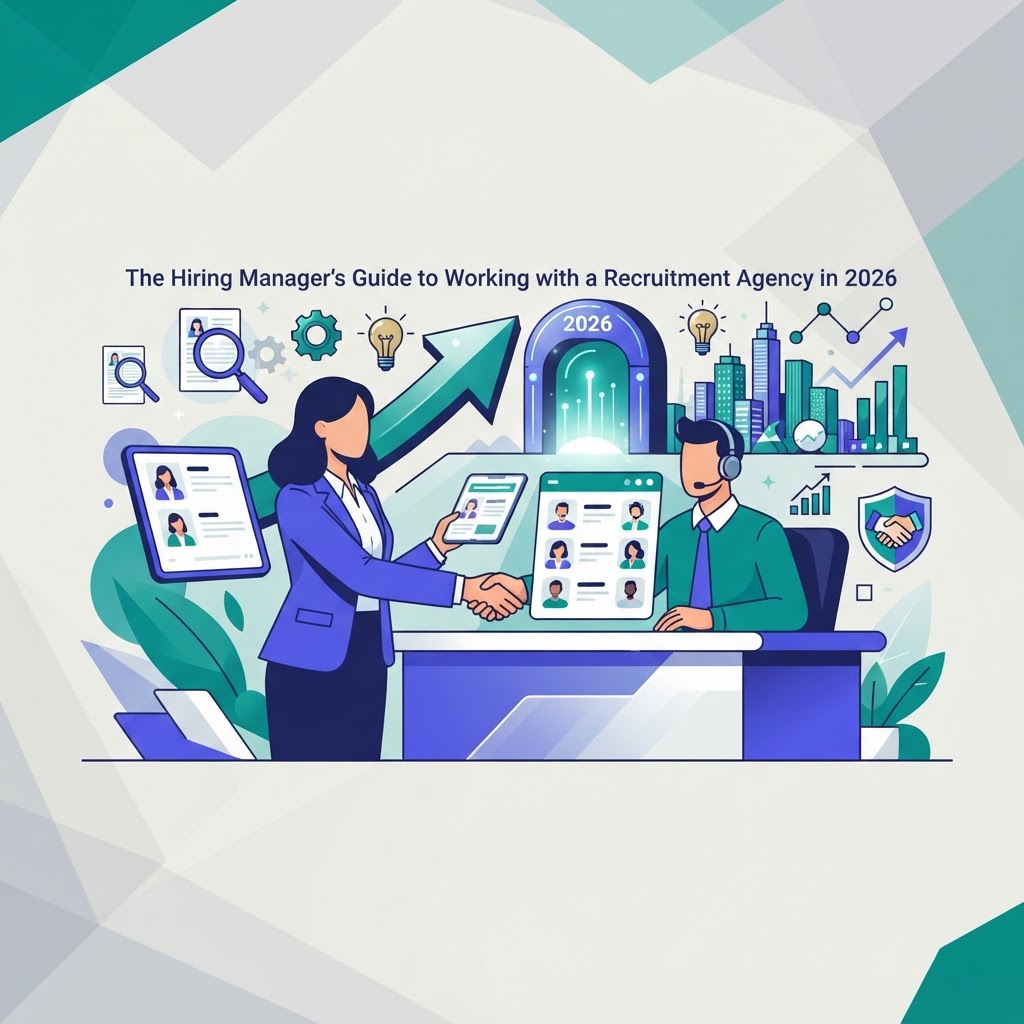
The landscape of recruitment in 2026 is defined by unprecedented speed and the demand for high-fidelity data. As hiring managers, your relationship with a recruitment agency has evolved from a simple transactional exchange to a strategic partnership. If you are still relying on scattered emails, static spreadsheets, and delayed feedback loops, you are losing top-tier talent to competitors who prioritize real-time collaboration. The modern agency-client dynamic now hinges on one central pillar: total transparency via shared technology.
Rethinking the Agency-Client Handshake
In previous years, hiring managers often treated agencies as a "black box"—you would send a job description, wait two weeks, and hope for a resume. In 2026, this approach is obsolete. The most successful partnerships begin with a shared technology environment. When your agency uses a platform like RecruitingCRMFlow, they aren't just sending you files; they are granting you visibility into a living pipeline. By integrating your team into a collaborative CRM environment, you eliminate the "where did this candidate go?" mystery. You see the source, the current interview stage, and the historical notes that were previously lost in internal agency systems.
Defining Performance Metrics and Service Level Agreements
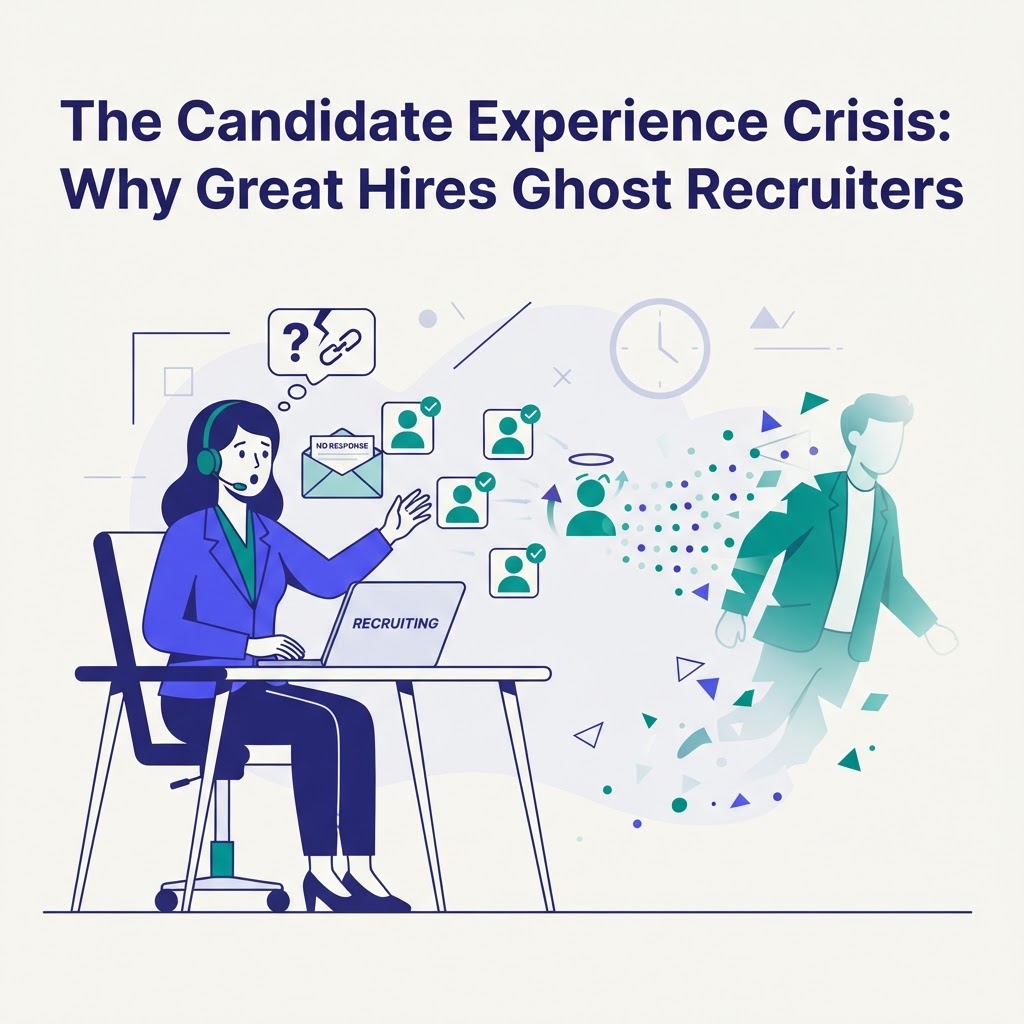
Transparency is useless without clear, measurable benchmarks. By 2026, you should be moving beyond "time to fill" as your only metric. Instead, look at "candidate engagement quality" and "interview-to-offer ratio." When you collaborate through a CRM, you can track exactly where candidates drop off in the process. Are they withdrawing after the technical assessment? Are they ghosting after the initial call? Using RecruitingCRMFlow’s analytics dashboard, you and your recruiter can identify bottlenecks in real-time. If a candidate drops out, the CRM captures the specific reason, allowing you to iterate on your hiring process immediately rather than losing weeks of momentum.
The Power of CRM-Driven Feedback Loops
One of the greatest sources of friction is the "feedback black hole." Recruiters cannot sell your company to passive candidates if they don't know why a specific candidate was rejected or what the hiring manager liked about a profile. In 2026, feedback must be instantaneous. Instead of lengthy email chains, leverage direct commenting features within your recruitment platform. When a hiring manager enters feedback directly into the shared candidate profile, the recruiter receives an instant notification. This allows them to pivot their search strategy within minutes, not days. This level of synchronicity prevents the frustration of seeing the same unsuitable profiles three weeks in a row.
Collaborative Sourcing and Pipeline Management
In the current market, top candidates are rarely looking; they are being headhunted. Your agency’s ability to map a market is their greatest asset, but that data needs to be accessible to you. With a robust CRM, your agency can share "market mapping" reports directly within the platform. You can see how many people were contacted, how many responded, and the competitive landscape for specific skill sets. This data helps you manage internal stakeholders—when you can show your leadership team that the market is thin, you can adjust salary expectations or roles before the search fails completely.
Avoiding the Talent Graveyard
Many companies suffer from "talent amnesia," where great candidates are forgotten the moment a role closes. When you work with an agency using RecruitingCRMFlow, you aren't just filling a current vacancy; you are building an evergreen talent pool. Even if a candidate isn't the right fit for today, they remain in the system, nurtured and tagged for future roles. This prevents you from paying an agency to find the same talent twice. Your CRM serves as your institutional memory, ensuring that every interaction you’ve had with a candidate over the years is preserved, tagged, and ready for reactivation when the time is right.
Conclusion
The secret to successful recruitment in 2026 is simple: stop working in silos. By insisting on a partnership model underpinned by a shared recruitment CRM, you transform your agency from a vendor into an extension of your own hiring team. Embrace the tools that provide visibility, track performance, and protect your most valuable asset: the candidate experience. When you and your agency share the same source of truth, you don't just fill positions faster—you build a competitive advantage that lasts long after the contract is signed.