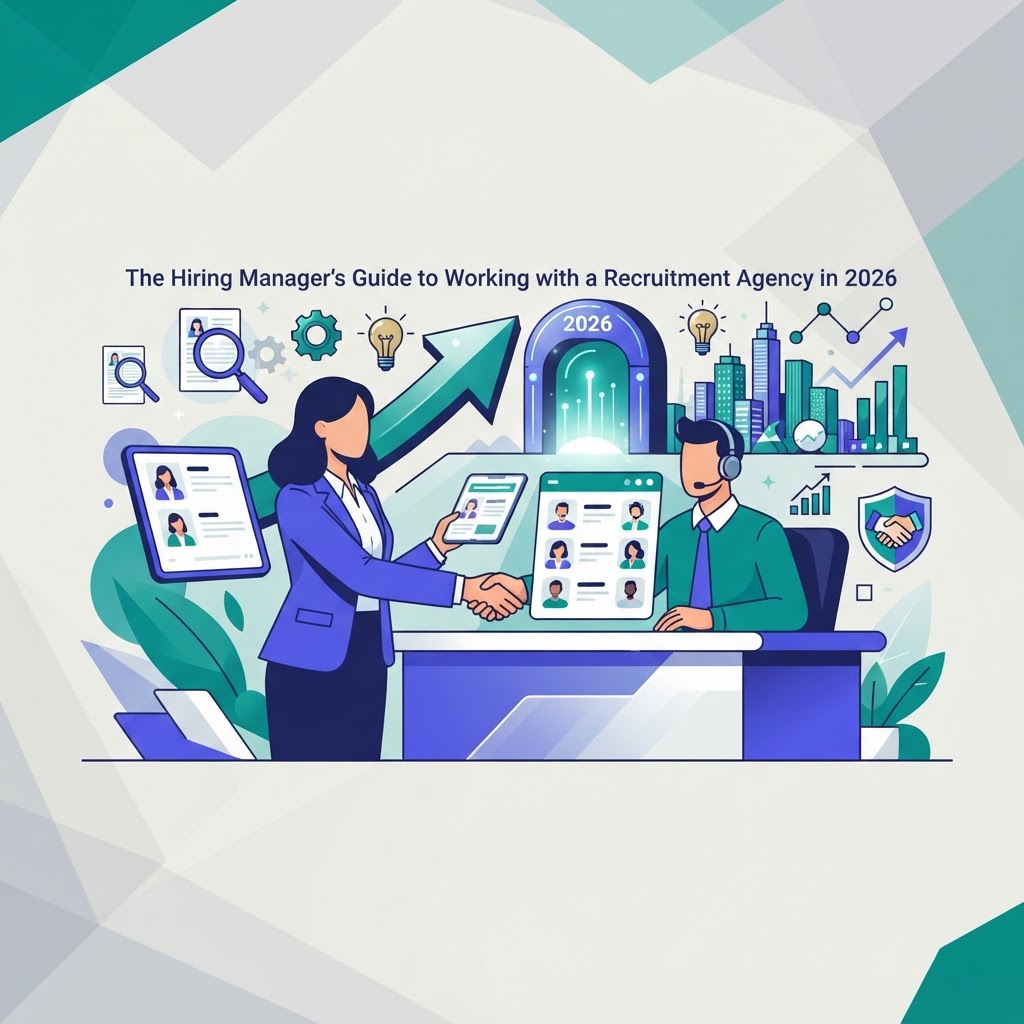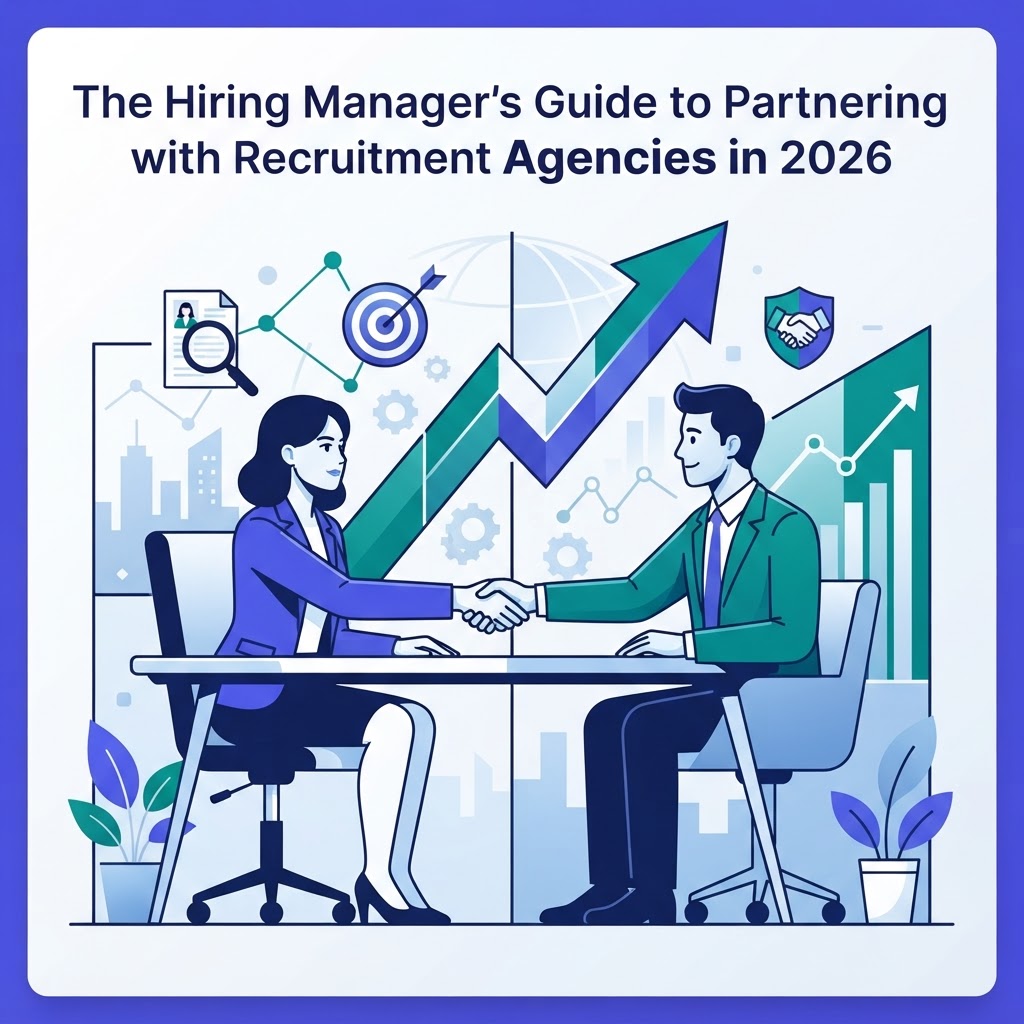
The landscape of talent acquisition has shifted significantly by 2026. Hiring managers no longer view recruitment agencies as simple resume conduits; they are strategic partners in a complex, data-saturated market. To succeed in this high-speed environment, the bridge between internal hiring goals and agency delivery must be built on total transparency and shared technological infrastructure.
Establishing a Unified Source of Truth
The greatest friction in the client-agency relationship often stems from disconnected data. When a hiring manager works with multiple recruiters but lacks a shared view of the pipeline, candidates get lost in the shuffle and duplicate submissions become common. In 2026, the gold standard is for agencies to plug directly into the employer's tech stack. By utilizing RecruitingCRMFlow, both parties can view the exact status of a candidate journey in real-time. This eliminates the 'black box' phenomenon where recruiters wait days for feedback, and managers wait weeks for updates.
The Shift to Performance-Based Metrics
Moving beyond headcount, modern partnerships prioritize quality and retention. When you engage an agency, define your success metrics beyond just 'time-to-fill.' Collaborate with your agency to track these specific KPIs through your CRM dashboard:
- Candidate submittal to interview ratio (should be near 1:3 for high-quality partners).
- Offer acceptance rates across specific talent tiers.
- Long-term retention rates of agency-sourced hires after 180 days.
- Feedback speed—the time between candidate submittal and the manager's decision.
Radical Transparency in Feedback Loops
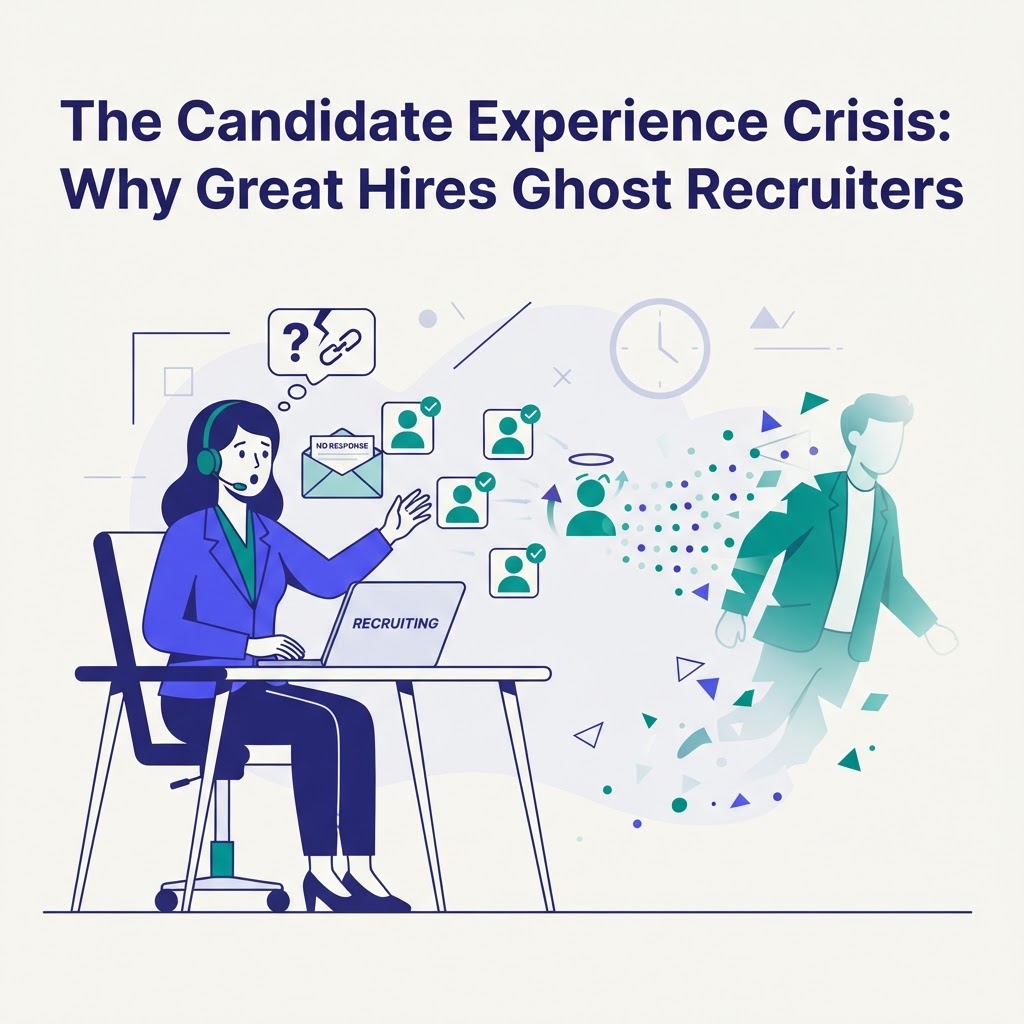
One of the most persistent frustrations for recruiters is the dreaded 'memory hole'—where feedback vanishes into a silent email chain. For a partnership to thrive, feedback must be actionable and immediate. If a candidate isn't the right fit, explain why in the context of the role's core competencies. When your agency can see this feedback directly inside RecruitingCRMFlow, they recalibrate their search criteria instantly, preventing the cycle of submitting unqualified candidates. This cycle of continuous learning is what transforms a transactional vendor into a long-term talent partner.
Leveraging CRM Integration for Speed
In 2026, speed remains the primary differentiator in securing top-tier talent. If your agency is sending PDFs via email, you are losing days that your competitors are using to woo your ideal candidates. Integrating your agency's portal with your internal RecruitingCRMFlow instance allows for automated triggers. For example, when a hiring manager marks a candidate as 'Move to Interview,' the agency receives an instant notification, allowing them to prep the candidate before the candidate has a chance to speak with another firm. This level of synchronization is the only way to maintain a competitive advantage.
Aligning on Employer Branding
Your recruitment agency is the primary ambassador for your company to passive candidates who might otherwise never look your way. They need to understand your culture, your pain points, and your 2026 business objectives as well as your internal HR team does. Provide your partners with access to your brand assets and current 'internal narratives' within the shared document repository of your CRM. When an agency can speak to your specific cultural nuances during their initial outreach, the quality of talent you receive will improve by an average of 40% compared to generic solicitations.
Conclusion
The future of the client-agency relationship in 2026 is defined by visibility and trust. By moving away from siloed communication and embracing integrated workflows through tools like RecruitingCRMFlow, hiring managers can turn their external recruitment partners into an extension of their own internal team. When both sides share the same data, the same goals, and the same view of the candidate journey, the process becomes less of a hunt and more of a precision-engineered acquisition strategy.