The landscape of talent acquisition has shifted dramatically by 2026. With AI-driven candidate sourcing becoming the industry standard, the true value of a recruitment agency is no longer just finding a resume, but acting as a strategic talent partner. For hiring managers, the challenge is shifting from simply waiting for candidates to actively collaborating in a shared ecosystem. To succeed, you must move beyond the transactional 'send me a candidate' model and embrace a transparent, data-backed partnership that leverages modern tools like RecruiterCRMFlow to bridge the communication gap.
Defining Expectations for Modern Partnerships
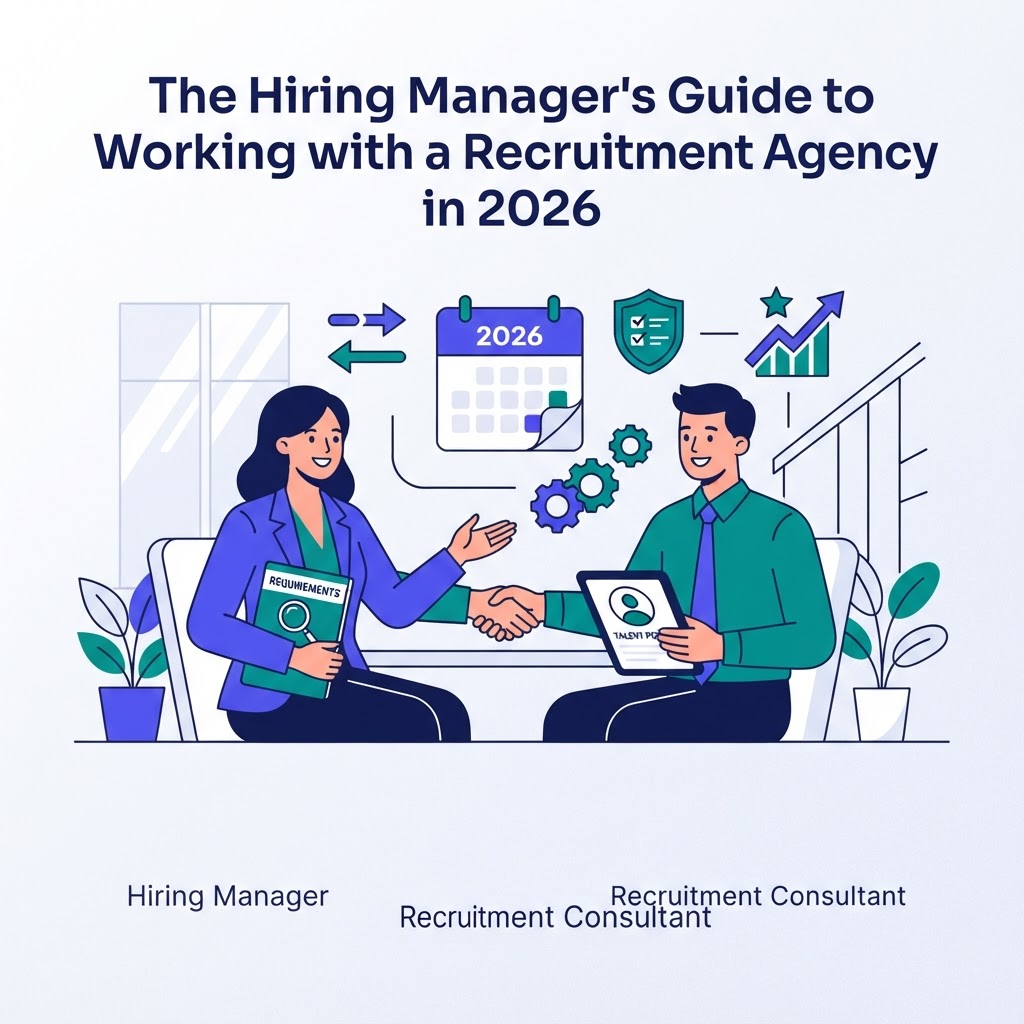
In 2026, the most effective hiring managers stop treating agencies as outside vendors and start treating them as an extension of their internal team. Your first step should be establishing a Service Level Agreement (SLA) that goes beyond just commission rates. Define the expected time-to-first-interview, the feedback loop frequency, and the specific sourcing channels you want the agency to prioritize.
Without a clear framework, communication breaks down. Data suggests that companies with structured agency feedback loops see a 35% improvement in time-to-hire. Set a standing 15-minute weekly sync rather than relying on sporadic email chains that bury critical context. Clarity from the start prevents the common issue of 'resume spam' where agencies send unqualified candidates because they lack a precise understanding of your current team dynamics and culture.
The Power of CRM Transparency
One of the biggest friction points in agency relationships is the 'black hole' of candidate status. Too often, hiring managers have no visibility into how many candidates an agency has engaged, how they are being screened, or why certain profiles were rejected. This lack of visibility is often the root cause of duplicative work and lost talent. Using a platform like RecruiterCRMFlow, agencies can provide hiring managers with direct access to a shared pipeline dashboard.
When you have visibility into the CRM, you aren't just guessing if the agency is working on your role. You can see the real-time activity: how many reach-outs were sent, the response rates, and the feedback from candidates who declined an interview. This level of transparency forces agencies to perform, while allowing you to provide instant, constructive feedback on the quality of the pipeline.
Eliminating the Lost Talent Trap
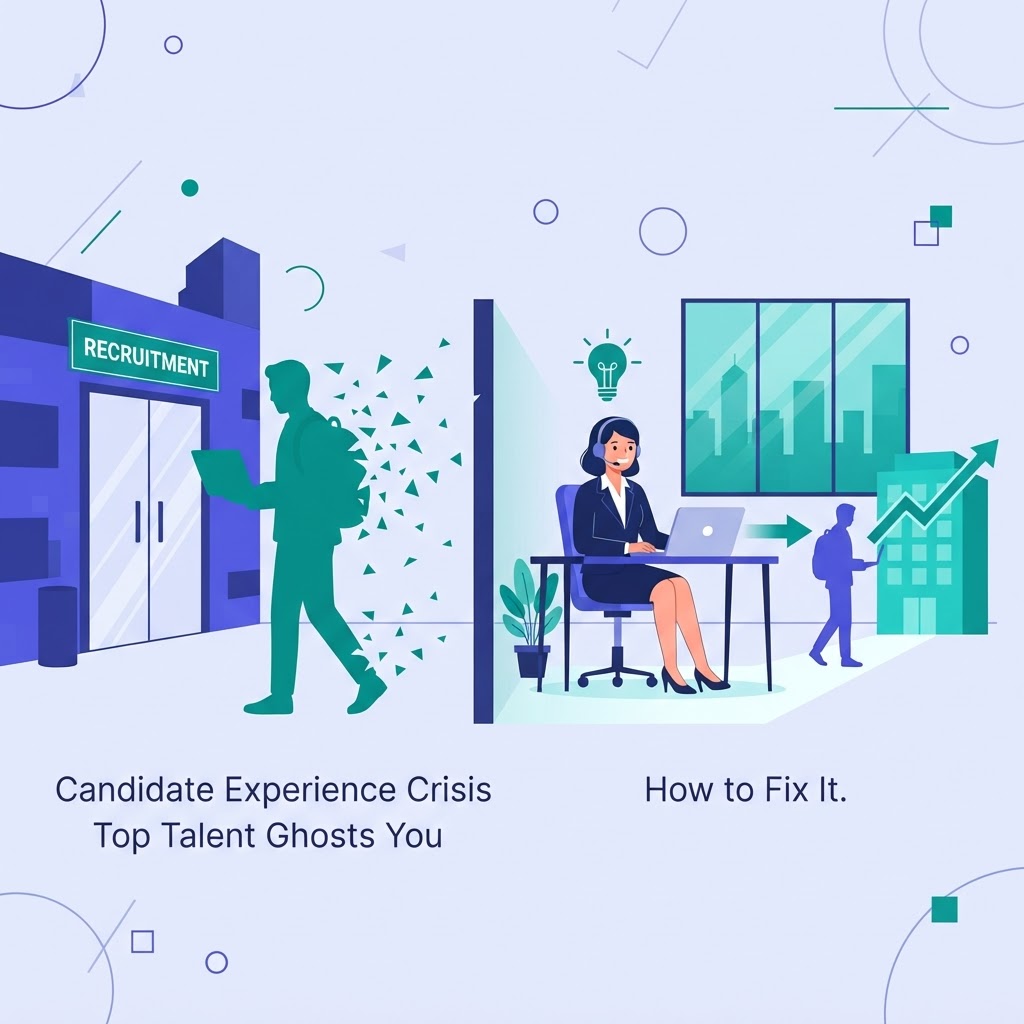
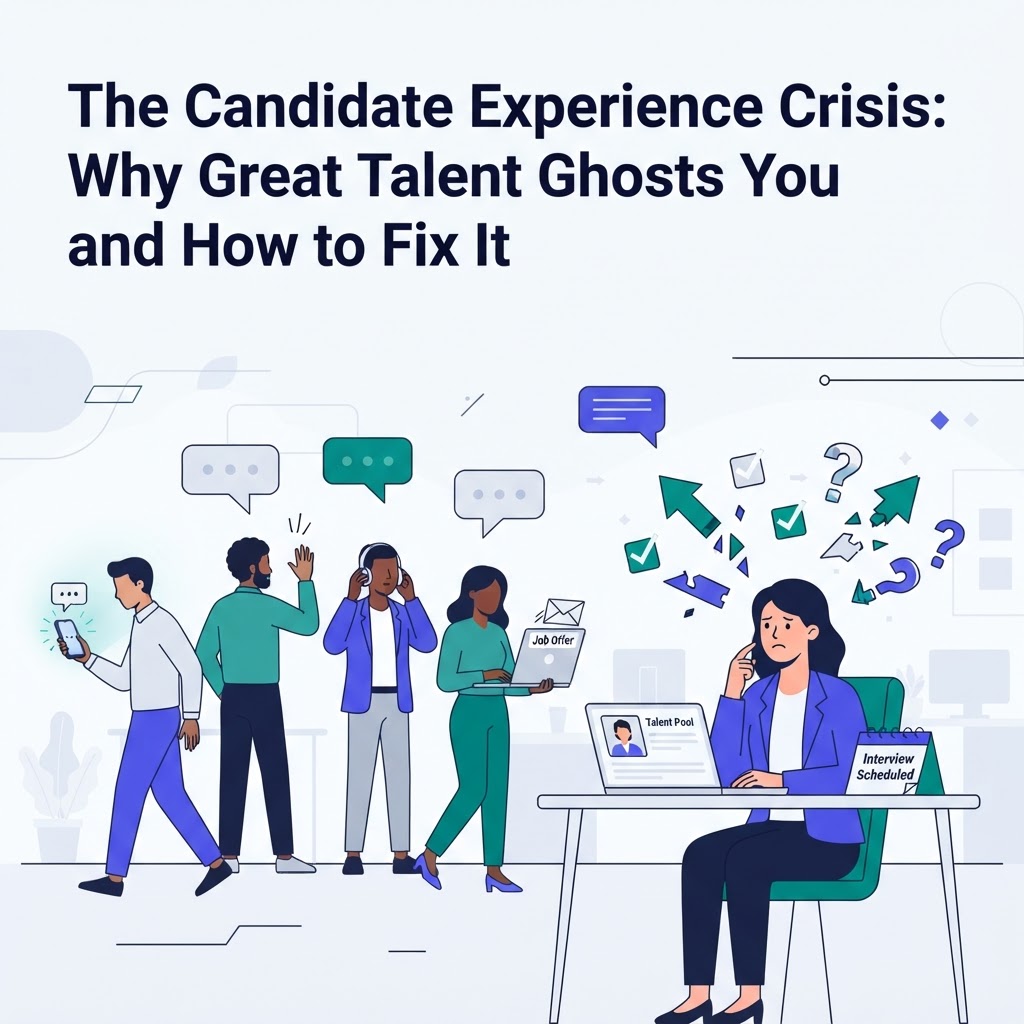
Have you ever had a candidate express interest, only to have them disappear into the abyss because of slow internal coordination? In 2026, speed is the only currency that matters. When a top-tier candidate hits the market, they are often off the market within 72 hours. If your internal team and your agency partner aren't working from the same 'source of truth,' you will lose them.
RecruiterCRMFlow mitigates this risk by ensuring that all communication, candidate notes, and document exchanges happen in one centralized location. By integrating your internal workflows with your agency's portal, you remove the latency caused by manual status updates. You can track exactly where a candidate stands in the process, ensuring no one gets 'ghosted' during a scheduling delay or a multi-stage approval process.
Leveraging Data for Better Quality Hires
Stop relying on gut feelings when evaluating agency performance. In the current market, you should be tracking specific KPIs to ensure you are getting a return on your investment. Review these metrics with your agency partners monthly:
- Candidate Quality Ratio: The percentage of submitted candidates who make it to the final interview stage.
- Interview-to-Offer Ratio: How many interviews are needed before a candidate accepts an offer.
- Pipeline Velocity: The average number of days a candidate spends in each stage of your funnel.
- Source Effectiveness: Which specific channels or agency-led initiatives are yielding the best talent.
If an agency cannot provide this data, they are operating in the dark. A robust CRM should automate these reports for you. If your agency is struggling to provide these insights, it may be time to transition to partners who are digitally native and integrated with your tech stack.
Building Long-Term Talent Pools
Finally, remember that the goal of a 2026 partnership is to build a talent pipeline for the future, not just fill today's empty seat. Ensure your agency is not just dumping CVs for immediate roles but is also nurturing 'passive' talent that aligns with your company's long-term growth trajectory. A good agency will use their CRM to maintain a warm database of these individuals.
When your agency uses a tool like RecruiterCRMFlow to track these long-term relationships, you gain access to a pre-warmed candidate pool. This reduces the 'startup time' for new searches significantly. By prioritizing long-term engagement over transactional recruiting, you transform your agency partnership into a strategic asset that scales alongside your business.
Conclusion
Success in hiring in 2026 is defined by collaboration, data, and speed. By demanding transparency, utilizing integrated CRM platforms, and treating your agency as a strategic partner, you move from a reactive hiring process to a proactive talent acquisition engine. Embrace these modern practices, and you will not only fill your open roles faster but will also improve the overall quality and retention of your new hires.