The year is 2026, and the talent market continues its dynamic evolution. For hiring managers, securing top-tier talent remains a critical objective. While in-house recruitment teams are vital, leveraging the expertise of specialized recruitment agencies is often the key to unlocking a wider pool of candidates and filling niche or urgent roles. However, the effectiveness of this partnership hinges on more than just selecting a good agency; it demands a proactive, collaborative approach from the hiring manager. Understanding how to best engage, communicate, and align with your agency partners will significantly impact your hiring success.
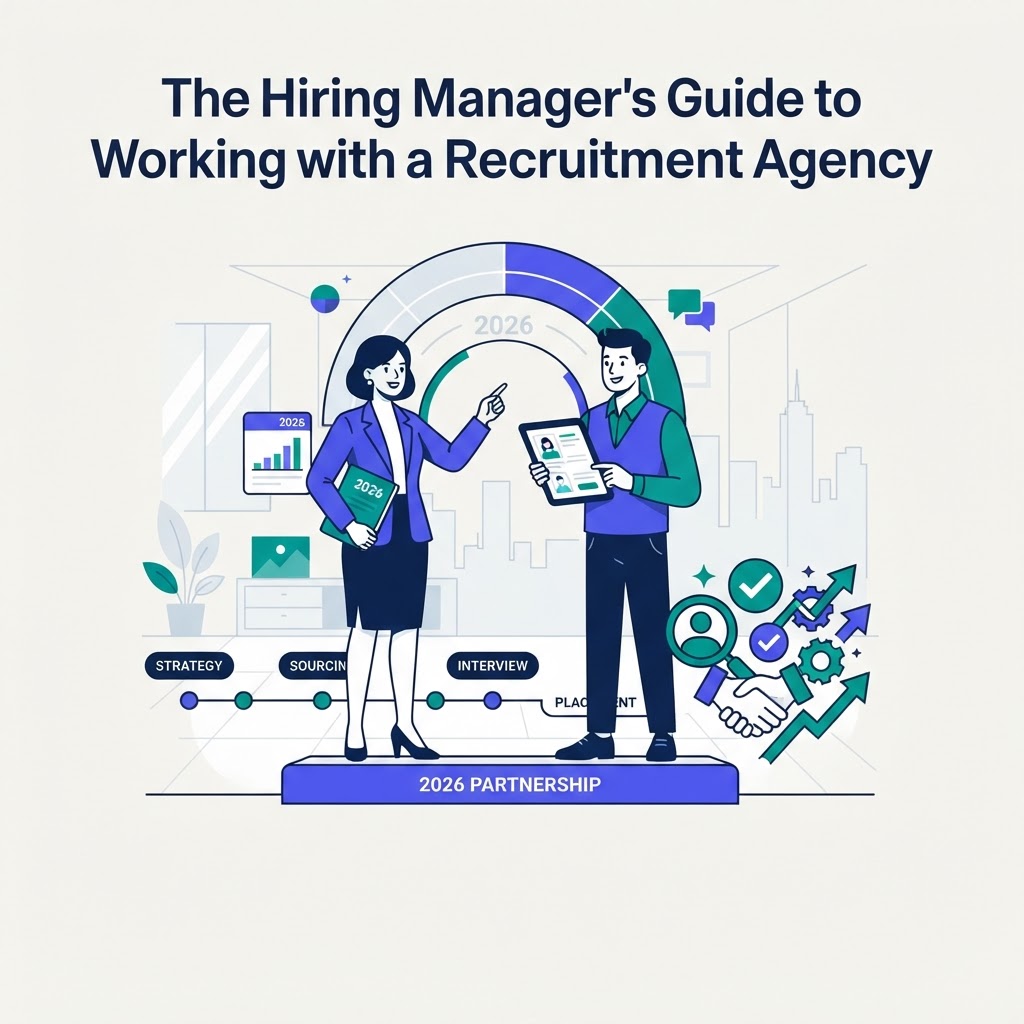
This guide outlines essential strategies for hiring managers to maximize their collaboration with recruitment agencies in 2026, focusing on setting clear expectations, fostering genuine partnership, and embracing transparency, especially through integrated CRM systems.
Setting the Stage: Crystal Clear Expectations from Day One
Ambiguity is the enemy of efficient hiring. Before engaging an agency, or at the very start of a new search, clearly define what success looks like. This goes beyond a simple job description.
- Define the Role Deeply: Provide detailed insights into the company culture, team dynamics, day-to-day responsibilities, and the specific challenges the new hire will face. A generic brief leads to generic candidates.
- Quantify Success Metrics: What are the key performance indicators for this role in the first 3, 6, and 12 months? Understanding these helps the agency identify candidates who can truly make an impact.
- Establish Communication Cadence: Agree on the frequency and method of communication. Weekly check-ins, specific points of contact, and preferred channels (email, brief calls, ATS updates) prevent miscommunication.
- Outline the Hiring Process: Clearly map out your interview stages, who is involved, expected timelines for feedback, and decision-making authority. Aim for a commitment from your side to provide feedback within 48 hours of interviews.
- Budget and Compensation: Be transparent about the salary range and any bonus structures or benefits. This saves time and ensures the agency focuses on candidates within the realistic compensation bracket.
Failing to set these expectations can lead to a situation where the agency spends weeks sourcing unsuitable candidates, wasting both their time and yours. This is a prime example of where a shared CRM, like RecruiterCRMFlow, can provide instant visibility into the agreed-upon role criteria and candidate profiles.
The Power of Partnership: Beyond Vendor to Collaborator
In 2026, the most successful agency relationships are true partnerships, not transactional vendor arrangements. This requires mutual respect, shared goals, and a commitment to open dialogue.
- Share Market Insights: Provide the agency with internal context about your company's growth plans, industry challenges, and talent acquisition strategy. This helps them understand the broader picture.
- Provide Constructive Feedback: When presented with candidates, offer detailed, actionable feedback, not just 'not a fit.' Explain why a candidate isn't suitable, referencing the agreed-upon criteria. This allows the agency to refine their search.
- Invest Time in Candidate Experience: Your agency partners are an extension of your employer brand. When candidates are interviewed, ensure the process is professional and timely. Positive candidate experiences reflect well on both your company and the agency.
- Be Responsive: A delay in your feedback or internal discussions can stall the entire process. Aim to respond to agency inquiries and candidate submissions within 24 business hours.
Think of your agency as an extension of your talent acquisition team. When you share information and treat them as partners, they become more invested in your success. A collaborative CRM platform ensures that feedback and candidate progress are logged in a centralized location, accessible to both parties, fostering this partnership mentality.
Leveraging Technology: CRM Transparency is Key
The integration of recruitment technology, particularly Applicant Tracking Systems (ATS) and Customer Relationship Management (CRM) platforms, has become non-negotiable. For hiring managers working with agencies, a transparent, shared CRM environment offers significant advantages.
- Centralized Candidate Tracking: A platform like RecruiterCRMFlow allows agencies to upload candidate profiles, interview notes, and status updates directly into your system. This eliminates duplicate data entry and provides a single source of truth.
- Real-time Visibility: Hiring managers can see exactly which candidates the agency is working on, their stage in the process, and who has been presented. This reduces the need for constant follow-up emails.
- Reduced Redundancy: With a shared view, both parties can identify if a candidate has already been sourced or interviewed through another channel, preventing wasted effort and potential client-agency conflict.
- Data-Driven Decisions: Access to data on candidate sources, interview feedback, and hiring velocity allows for more informed discussions about the agency's performance and the effectiveness of the search.
- Talent Pool Development: Even candidates who aren't the perfect fit for the current role can be saved in the CRM for future opportunities, building a valuable talent pipeline. Without a robust system, these potential future hires are lost forever.
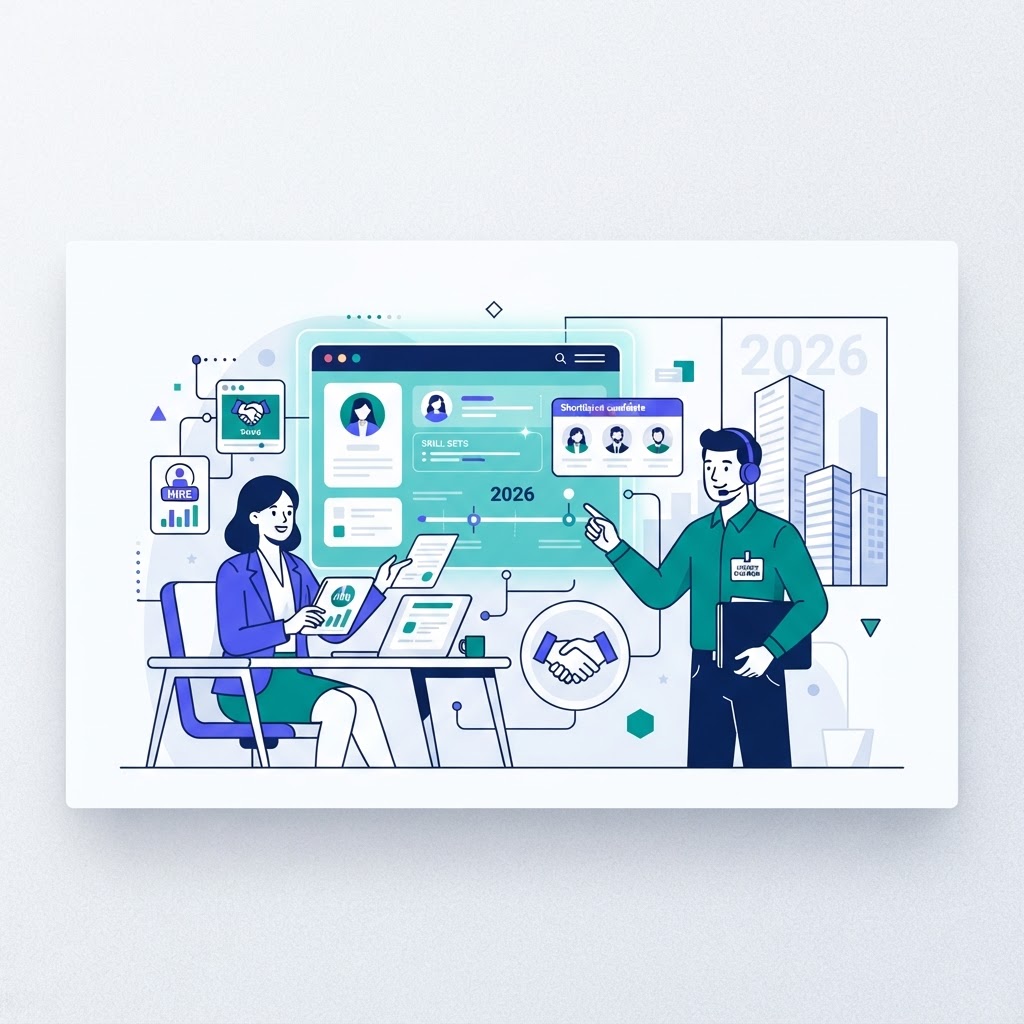
Imagine a scenario where an agency submits a candidate. Within minutes, you can review their profile, see interview feedback from previous stages, and provide your own notes – all within the same platform. This is the power of CRM transparency. It saves countless hours and ensures no promising candidate slips through the cracks.
Navigating Challenges and Ensuring Success
Even with the best intentions, challenges can arise. Proactive problem-solving is crucial for maintaining a productive agency relationship.
- Address Candidate Quality Concerns Promptly: If you consistently receive candidates who don't meet the basic requirements, don't wait. Schedule a call with the agency to dissect the job brief and identify where the disconnect is happening. Is the brief unclear, or is the agency not understanding your needs?
- Manage Timelines: If the agency is consistently missing agreed-upon timelines for candidate delivery or feedback, address it directly. Understand the roadblocks – are they experiencing a shortage of specific skills, or is their internal process inefficient?
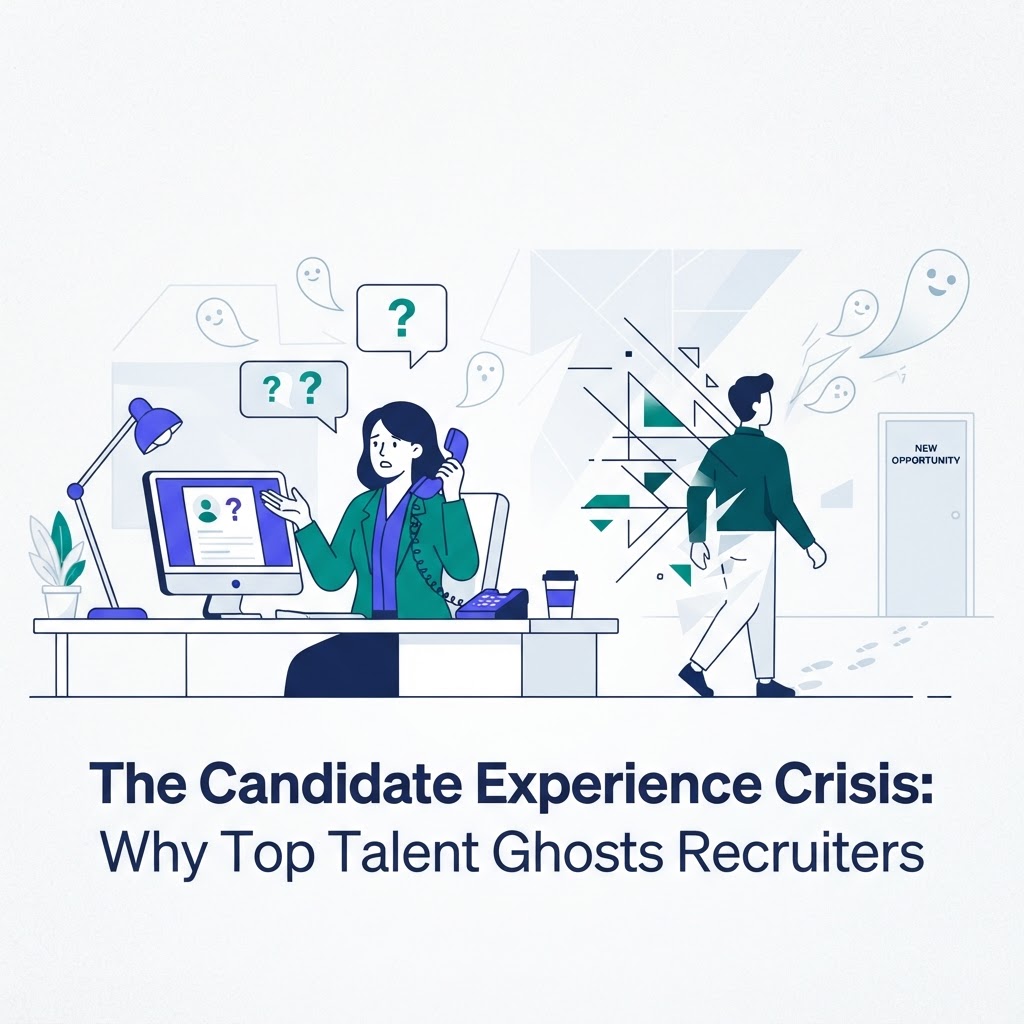
- Guard Against 'Ghosting': If you find yourself not hearing back from an agency or experiencing significant delays, it might be time to reassess the partnership. A loss of communication often signals a lack of commitment or a misaligned priority.
- Celebrate Wins Together: Acknowledge and celebrate successful placements. This reinforces the value of the partnership and encourages continued high performance.
Utilizing a CRM like RecruiterCRMFlow can mitigate many of these issues by providing objective data on candidate flow and communication logs, making it easier to identify and address performance gaps objectively.
The Future of Agency Collaboration
The landscape of talent acquisition in 2026 is defined by speed, precision, and collaboration. For hiring managers, the key to unlocking the full potential of recruitment agencies lies in fostering genuine partnerships built on clear communication, mutual trust, and the strategic use of technology. By setting explicit expectations, actively participating in the process, and embracing the transparency offered by integrated CRM systems, you can transform your agency relationships from simple vendor arrangements into powerful strategic alliances. This approach not only accelerates your ability to hire the right talent but also ensures a positive experience for candidates, strengthening your employer brand in a competitive market. The right tools and a collaborative mindset are your greatest assets.