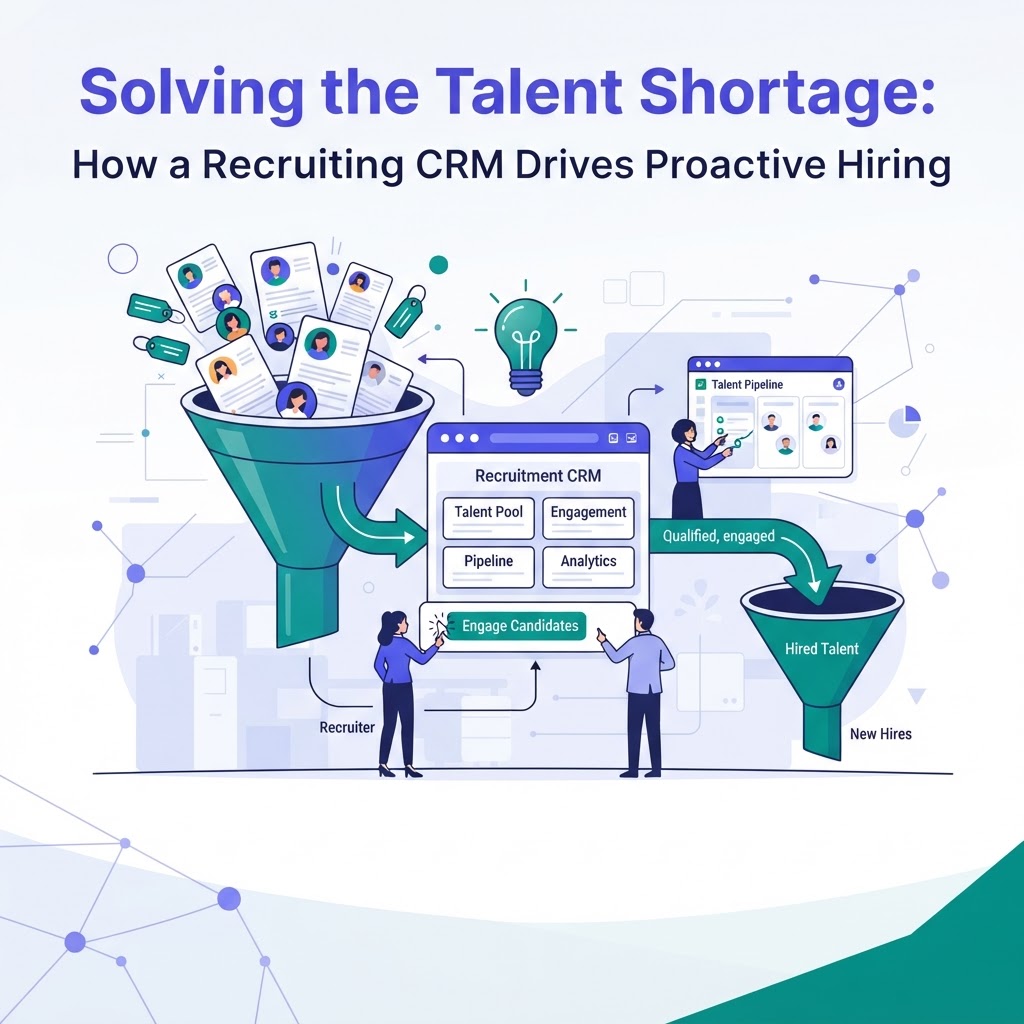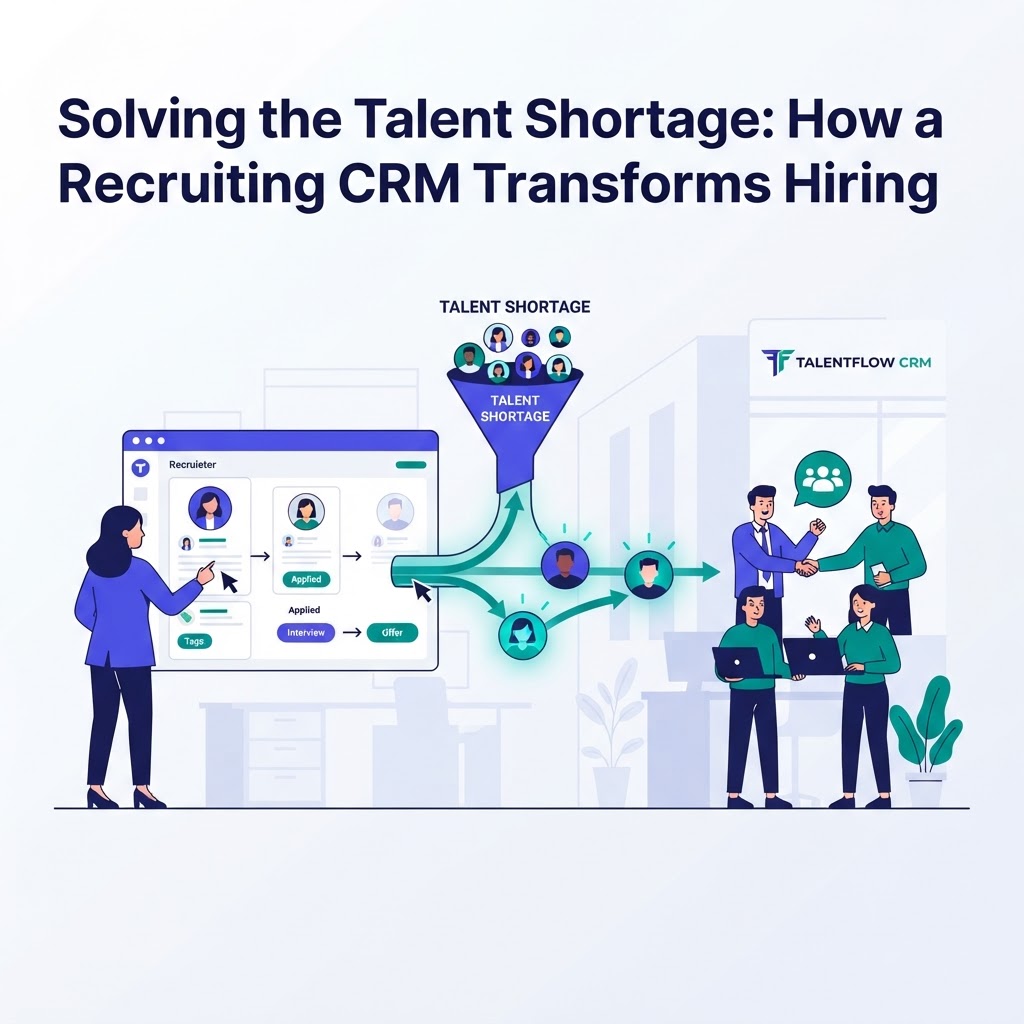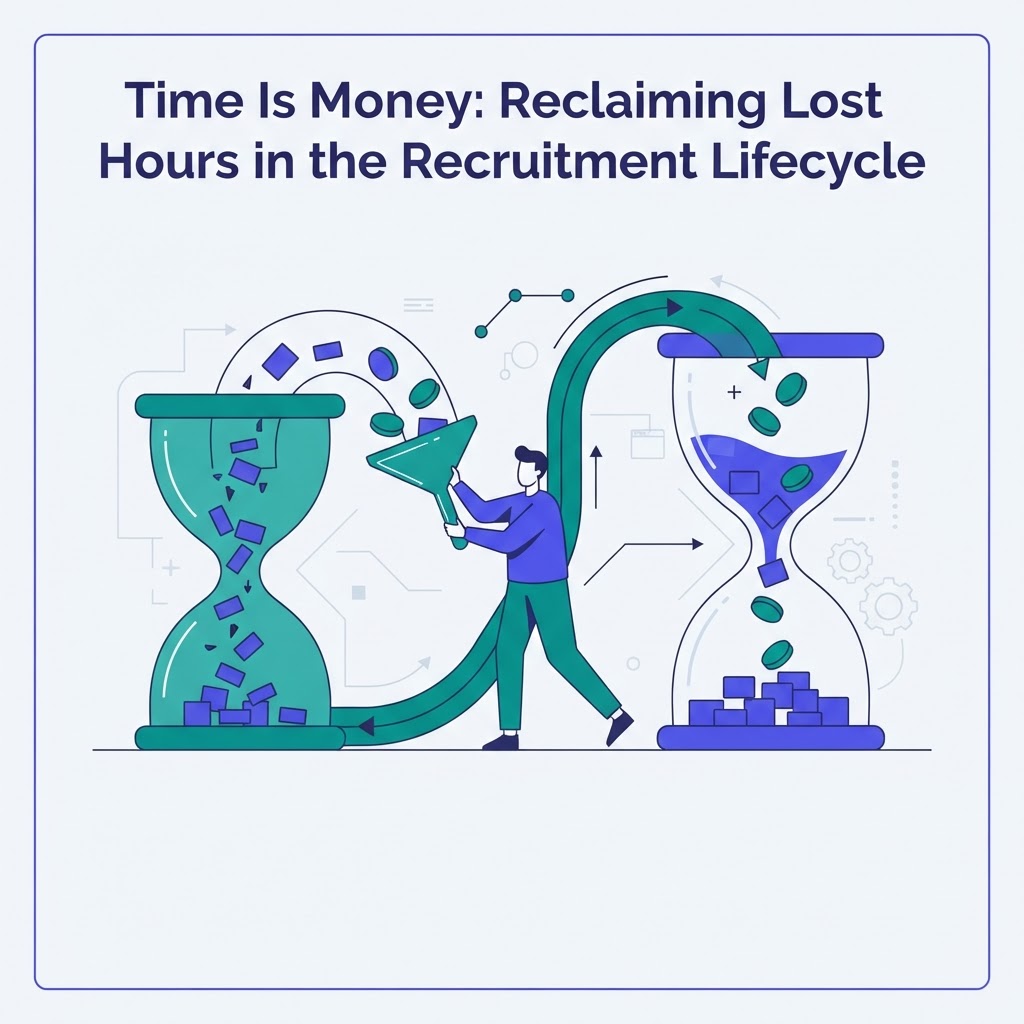
In the high-stakes world of recruitment, time is the single most valuable currency. For many hiring teams, however, hours are bled away daily through disjointed workflows, manual data entry, and the frantic search for lost candidate information. When a recruiter spends more time wrestling with spreadsheets than engaging with top-tier talent, the agency pays the price in lost placements and diminished revenue. Understanding where this time goes is the first step toward reclaiming it.
The High Cost of Manual Data Management
Most recruitment agencies suffer from the 'fragmented tool syndrome.' Recruiters might use an email client for communication, a spreadsheet for candidate tracking, and a separate calendar app for interviews. This disconnection forces them to perform manual data entry across three or more platforms. Research suggests that a recruiter can spend up to 10 hours per week simply re-keying data or searching for documents. If a recruiter earns $50 per hour, that is $500 lost to administration every single week, per person. Over a year, this adds up to $25,000 per recruiter in lost productivity that could have been spent building relationships.
The Hidden Leak: Communication Gaps
Beyond data entry, communication is the biggest time-sink in the industry. How many times has a recruiter sent a follow-up email only to realize they didn't log the previous conversation? This leads to duplicate outreach, confused candidates, and a fragmented brand image. Without a central repository for communication history, every interaction requires a hunt through sent folders. By implementing a centralized system like RecruiterCRMFlow, every interaction—email, call notes, and LinkedIn message—is automatically mapped to the candidate profile. This eliminates the 'wait time' associated with context switching.
Automating the Mundane to Focus on the Human
Recruitment is inherently a human-centric business, yet modern recruiters often find themselves performing robotic tasks. Automating repetitive workflows is no longer a luxury; it is a survival requirement. High-performing agencies use CRM automation to trigger immediate actions. For example, when a candidate applies, an automated workflow can send a confirmation email, assign a task to the recruiter for a screening call, and move the candidate into the 'Shortlist' stage. RecruiterCRMFlow ensures that these manual triggers become 'set and forget' processes, allowing recruiters to focus on the high-value work of interview preparation and salary negotiation.
The Power of Instant Talent Retrieval
Perhaps the greatest source of lost time is the 'search and destroy' mission for existing talent. Agencies often forget the goldmine they already possess: a database of past applicants. When a new role opens, recruiters often go to external job boards first, costing the firm thousands in advertising spend and weeks in sourcing time. A robust CRM changes the narrative by making talent retrieval instantaneous. Advanced filtering within RecruiterCRMFlow allows recruiters to find qualified candidates from previous searches in seconds, not hours. Re-engaging an existing contact is 80% faster than sourcing a new one from scratch.
Actionable Steps to Audit Your Time
To reclaim your hours, start by conducting a one-week time audit. Track exactly how many hours your team spends on the following activities and compare them against the cost of your current tech stack:
- Manual candidate data entry and profile updates.
- Searching through inbox threads for candidate history.
- Crafting repetitive emails for interview scheduling.
- Re-sourcing talent that was already in your database.
By measuring these touchpoints, you will likely discover that you are losing between 30% and 50% of your billable time to inefficiencies. Shifting these processes into a unified CRM environment is not just an upgrade; it is a financial strategy that converts wasted labor into placement revenue.
Conclusion
The math is simple: efficiency equals profitability. Every hour wasted on manual admin is an hour you cannot spend closing deals or building client partnerships. By centralizing your operations with RecruiterCRMFlow, you effectively give your team the time back they need to excel. Stop paying for manual labor that software can handle, and start investing your time where it truly yields a return—connecting the best people with the best opportunities.