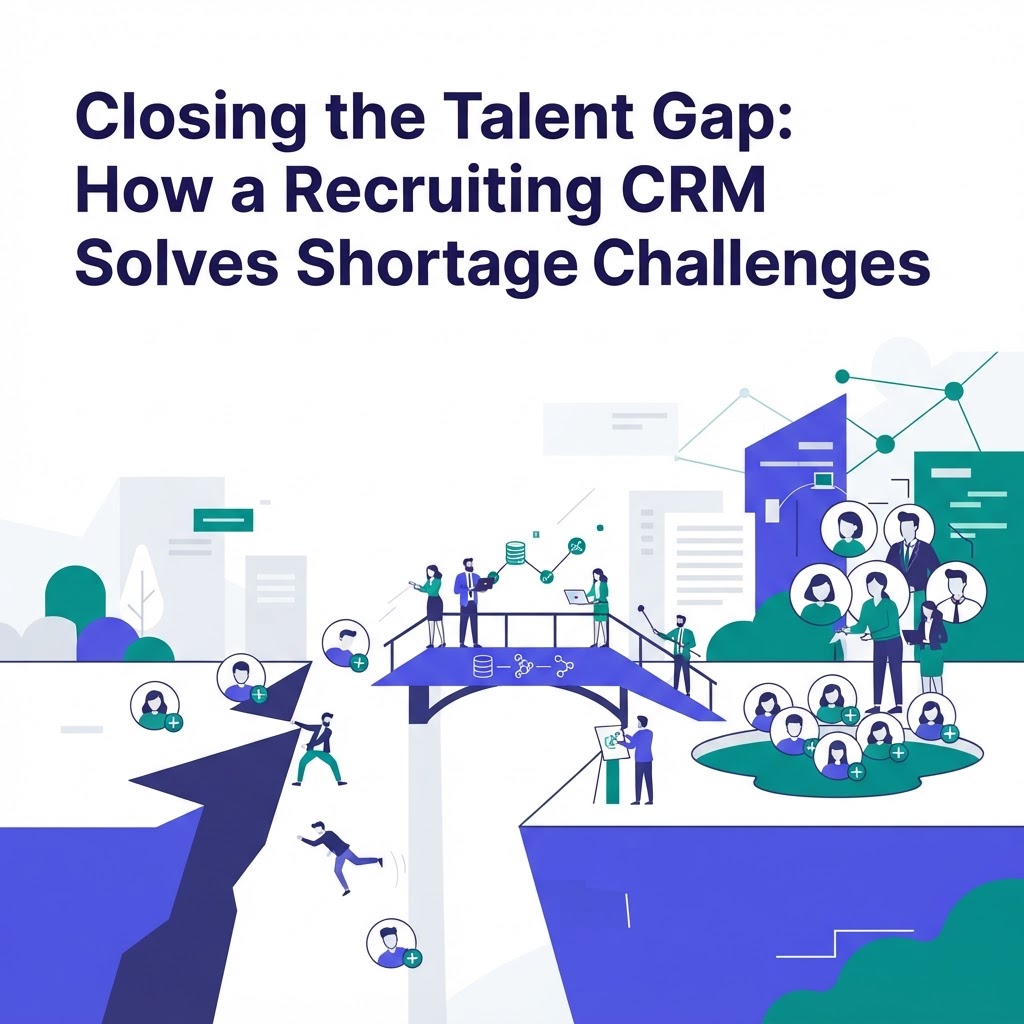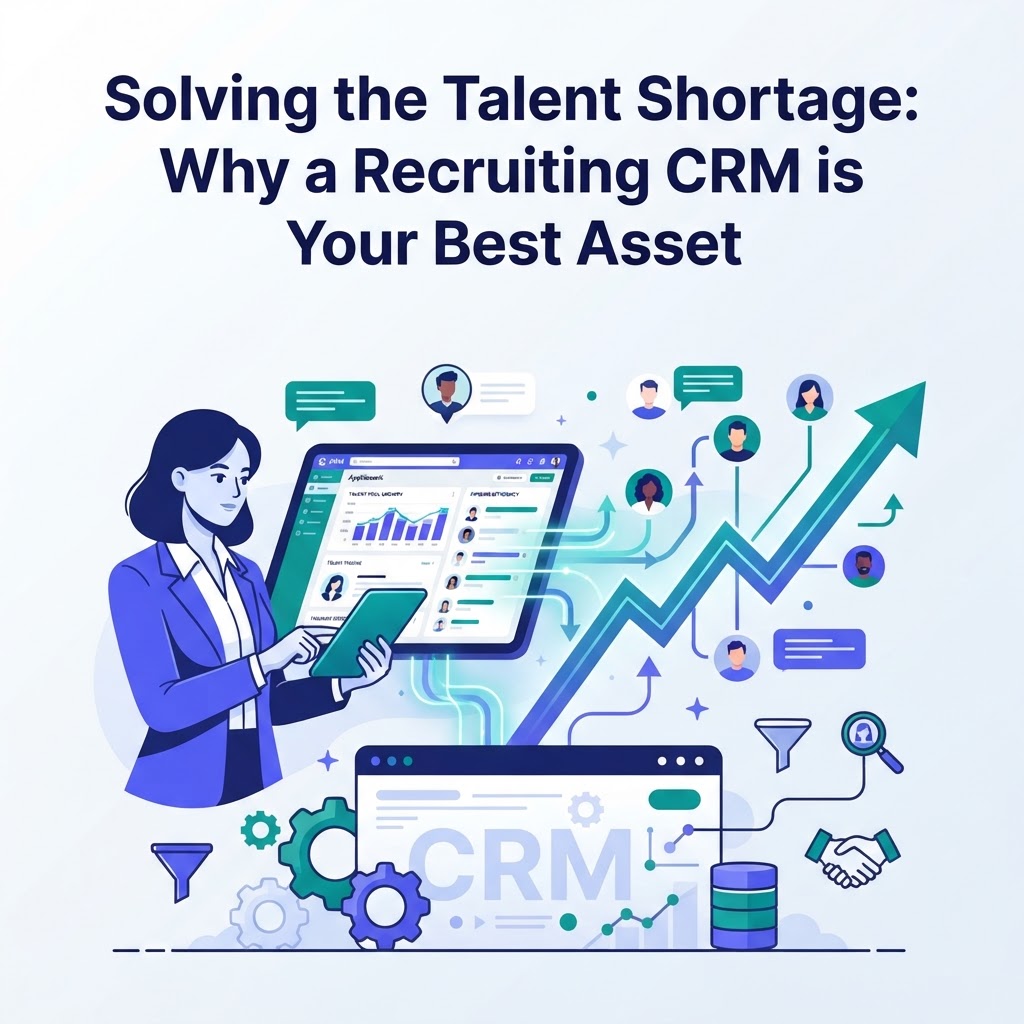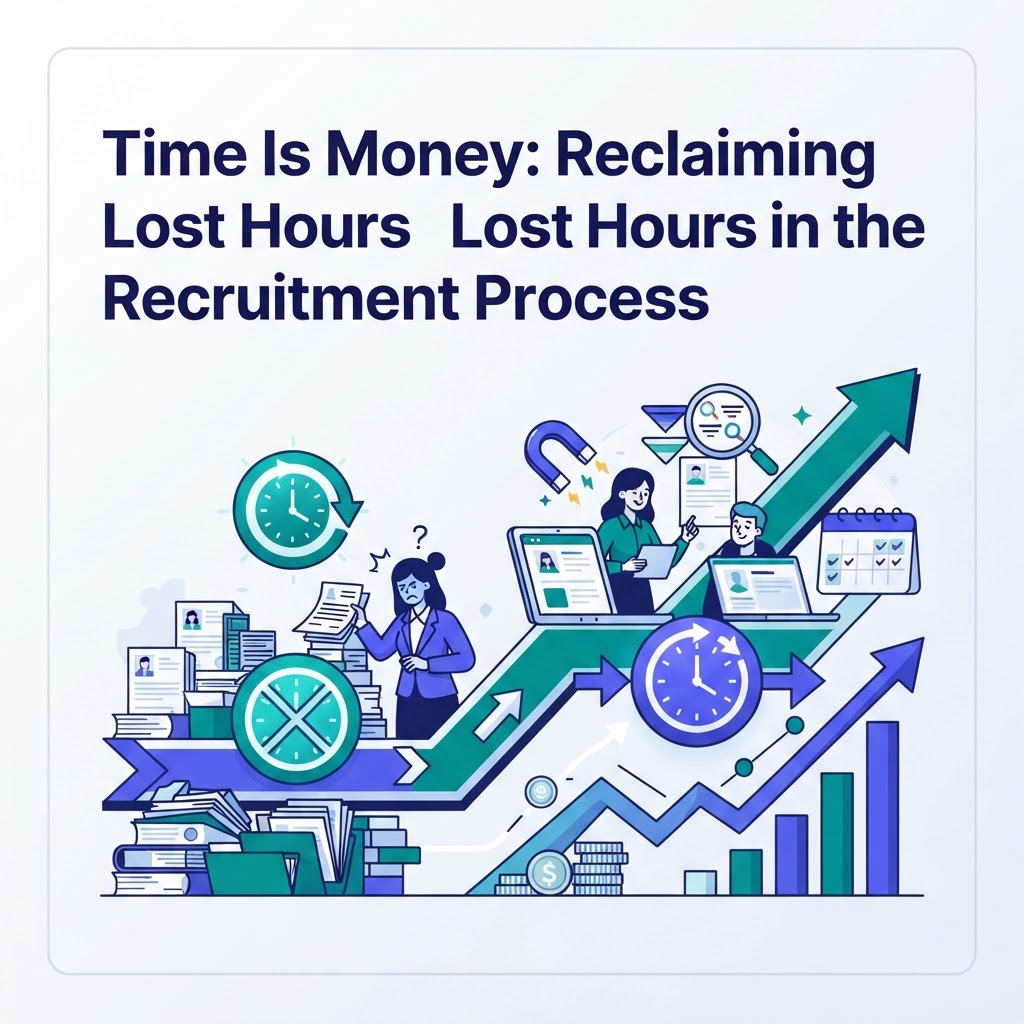
In the high-stakes world of talent acquisition, time is quite literally the most expensive resource. Every minute a recruiter spends manually logging candidate data, chasing emails, or reconciling spreadsheets is a minute taken away from high-value tasks like interviewing top-tier talent and building strategic relationships. For many hiring teams, this administrative friction isn't just an annoyance; it is a significant drain on the bottom line. When recruitment processes are siloed, manual, and disconnected, the average recruiter loses up to 40% of their day to non-productive administrative tasks. By shifting toward an automated workflow, agencies can reclaim this time and refocus on what truly matters: filling roles faster.
The High Cost of Manual Data Entry
Data entry is the silent killer of recruiter productivity. When a team lacks a unified system, information about candidates, client preferences, and job requirements is often scattered across inbox threads, calendar invites, and local spreadsheets. This fragmentation forces recruiters to spend hours each week manually transcribing notes and updating candidate statuses. If a team of ten recruiters each loses just one hour a day to manual data entry, the agency is losing 50 hours of billable work per week—or over 2,500 hours a year. This is not just a loss of efficiency; it is a direct hit to your competitive advantage. When your team is stuck in spreadsheets, your competitors are already interviewing the top 10% of the candidate pool.
Solving the Information Silo Problem
Without a centralized platform, the loss of institutional knowledge becomes a critical vulnerability. How many times has a candidate been reached out to by two different recruiters from the same firm because their status wasn't tracked? These redundant touchpoints damage your brand's professional reputation and project incompetence to potential clients. RecruitingCRMFlow solves this by serving as a single source of truth. With a centralized database, every team member can instantly see the history of a candidate's journey, from initial outreach to final placement. By eliminating these overlaps, you save time, improve candidate experience, and ensure that every interaction is meaningful and informed.
Automating the Administrative Burden
Automation is the primary vehicle for reclaiming lost time. A robust CRM like RecruitingCRMFlow allows teams to automate repetitive tasks that formerly required manual oversight. Consider the process of nurturing passive candidates: instead of manually sending follow-ups, your team can trigger personalized email sequences based on a candidate's movement through your pipeline. This keeps your agency top-of-mind without human intervention. Common areas for immediate automation include:
- Automated interview scheduling and calendar synchronization.
- Triggered status updates for candidates after an application is received.
- Personalized email outreach sequences for niche talent pools.
- Automated reminders for follow-ups to ensure no lead goes cold.
Increasing Placement Speed with Real-Time Tracking
Speed is the hallmark of a successful agency. When a hiring manager has an urgent opening, the agency that submits qualified candidates first usually wins the business. Without real-time tracking, recruiters often struggle to identify which roles are nearing the threshold of expiration or which candidates are moving too slowly through the pipeline. RecruitingCRMFlow provides visual, real-time dashboards that highlight bottlenecks instantly. Whether it is a hiring manager who hasn't provided feedback in 48 hours or a candidate interview that needs scheduling, these dashboards allow leaders to intervene before time is lost. By tracking metrics such as 'Time-to-Fill' and 'Candidate Response Rates,' teams can optimize their workflows based on data rather than intuition.
Making the Shift to CRM-Driven Success
The transition from spreadsheet-based tracking to a professional CRM is the single most effective way to scale your recruitment agency. While the initial setup requires team training, the long-term ROI is immediate and measurable. By reducing the time spent on manual administration, you allow your recruiters to function as talent advisors rather than data processors. In a market where the best talent is often off the market within ten days, this speed is the difference between surviving and thriving. It is time to treat your agency's time as the asset it is. By implementing a solution like RecruitingCRMFlow, you ensure that every hour spent is an hour invested in growth, placement, and success.