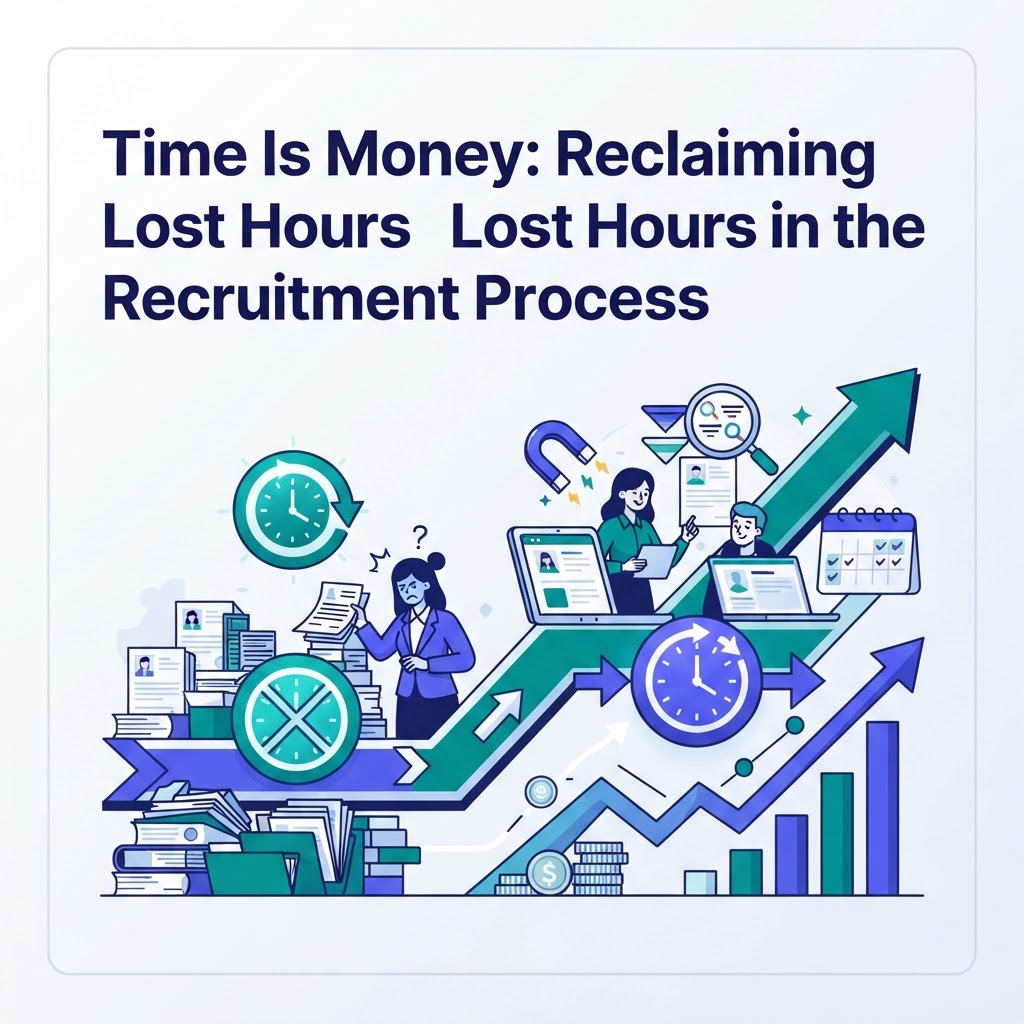
In the fast-paced world of recruitment, time is not just a resource; it is the currency of your business. Every minute spent toggling between disconnected spreadsheets, digging through email threads to find candidate feedback, or manually updating status fields is a minute that could have been spent engaging high-value talent. For many hiring teams, these small, fragmented tasks aggregate into hours of lost productivity every single week, directly impacting the bottom line and slowing down the time-to-hire metric.
The Hidden Cost of Manual Admin
Many recruiters fall into the trap of believing that manual data entry is a necessary evil. However, industry data suggests that recruiters can spend up to 40% of their day on administrative tasks that do not involve actual communication with candidates or clients. When you calculate the hourly rate of your team, this equates to a significant financial drain. Searching for a missing phone number, manually copying candidate details from a LinkedIn profile to a document, or chasing down feedback via email chains are not just nuisances—they are systemic bottlenecks. Each manual entry increases the risk of human error, leading to duplicate records and inaccurate reporting that hampers decision-making.
How Lack of Centralization Kills Momentum
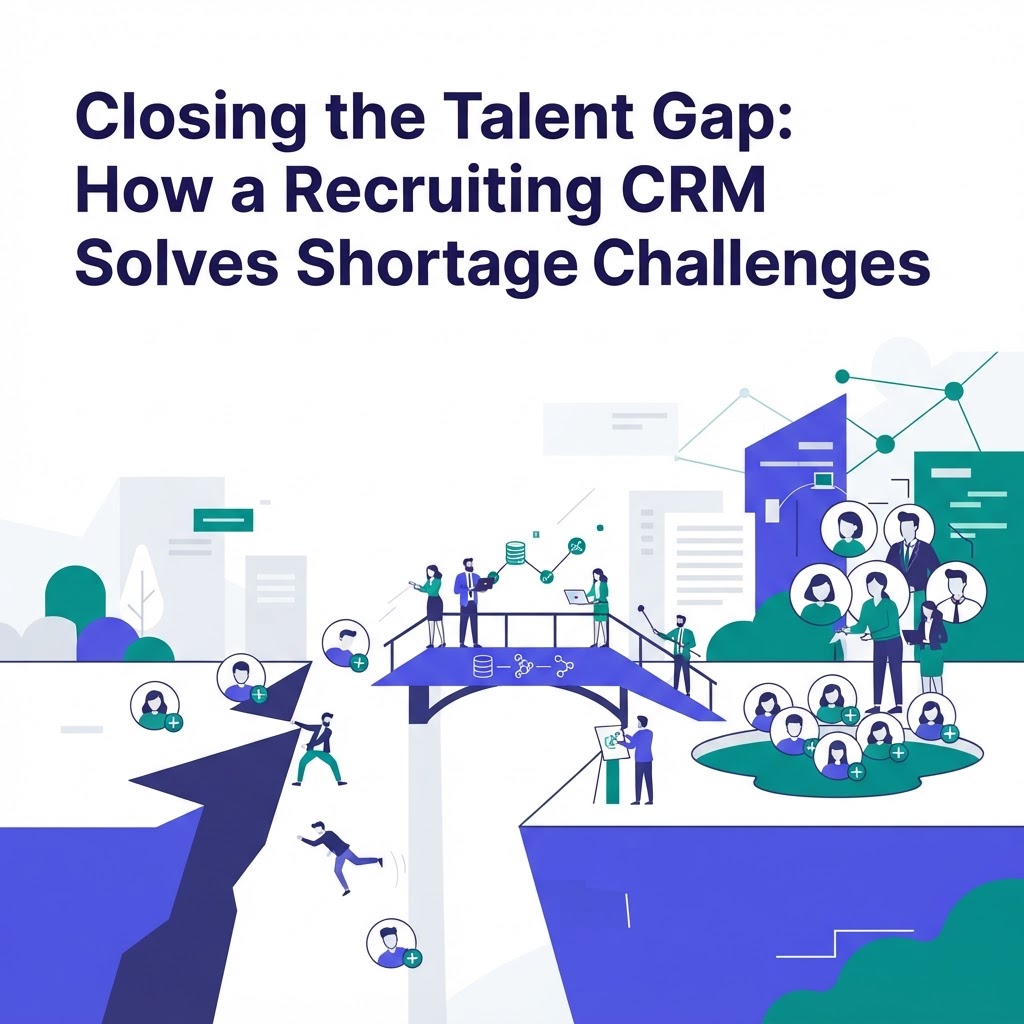
Without a unified system, your agency’s institutional knowledge is fragmented. When candidate data lives in inbox folders, desktop folders, and various spreadsheets, your team is constantly starting from scratch. Consider a scenario where a lead recruiter leaves the firm. If their notes, candidate relationship history, and client interaction logs are not stored in a centralized platform, the agency loses years of networking equity. RecruitingCRMFlow solves this by providing a single source of truth. By consolidating every touchpoint into one interface, your team eliminates the 'lost context' phase, allowing any recruiter to pick up where another left off, which is essential for maintaining client trust and candidate experience.
The Power of Automation in RecruitingCRMFlow
Automation is the ultimate leverage for the modern recruiter. By integrating automation into your workflow, you strip away the repetitive, low-value work that consumes your team's energy. With RecruitingCRMFlow, automated email sequences ensure that candidates receive timely updates without manual intervention, keeping them engaged through the hiring funnel. Automated task reminders prevent potential hires from slipping through the cracks. For example, by automating the scheduling of initial screening calls, you can save your team roughly 5 hours per week per recruiter. This reclaimed time is then repurposed for high-impact activities like business development, deep-dive candidate interviews, and strategic talent mapping.
Data-Driven Decision Making
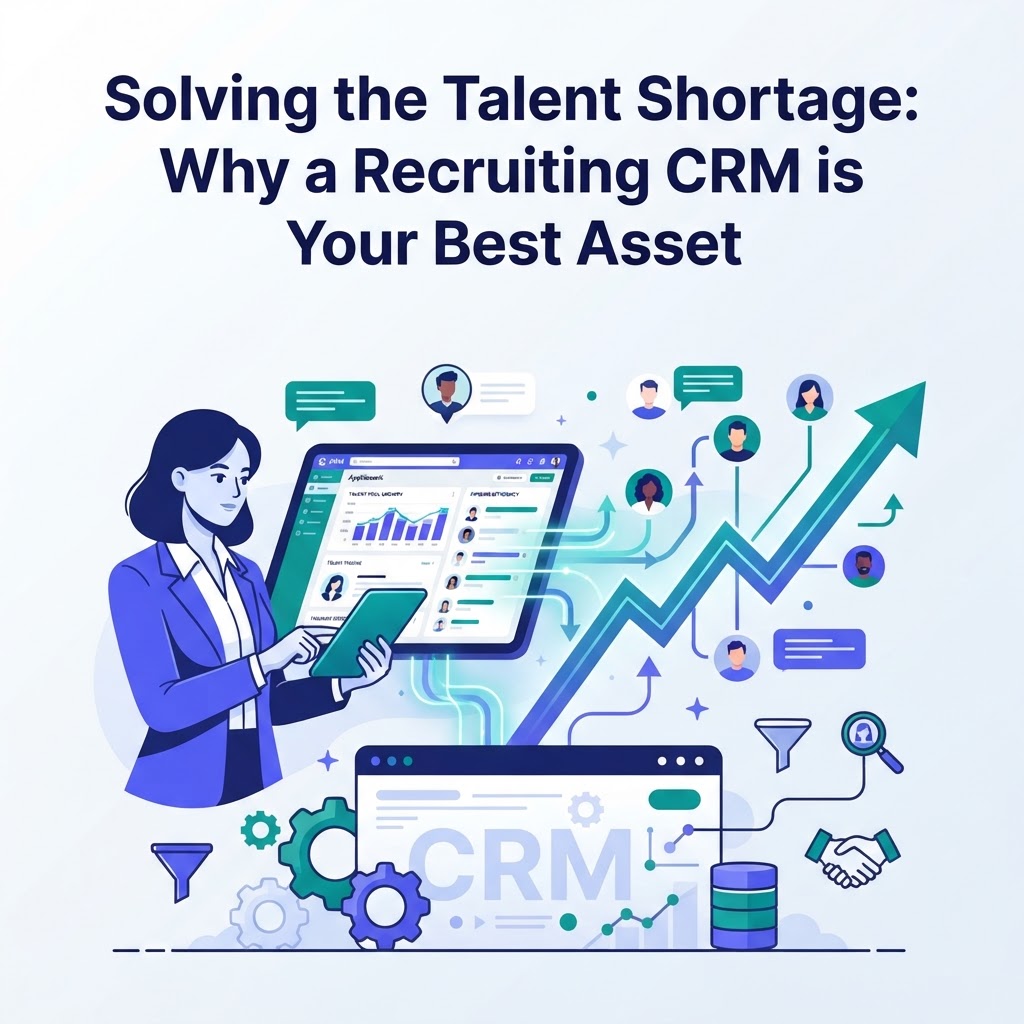
Tracking is not just about logging activity; it is about visibility. When your team tracks their time and interactions properly, you can identify precisely where the bottleneck lies in your recruitment pipeline. Perhaps your screening process takes too long, or maybe a particular job requisition is stalling at the interview stage. Without tracking, these insights are mere guesses. With RecruitingCRMFlow, your dashboard provides real-time analytics on pipeline velocity. Armed with this data, leadership can make evidence-based decisions, such as providing additional training for underperforming areas or shifting resources to prioritize higher-converting job orders.
Turning Reclaimed Time Into Profit
When you eliminate manual admin, you are effectively giving your recruiters more time to sell. By reducing the non-billable hours spent on administrative upkeep, your team can increase their outreach volume by 20% to 30%. Increased outreach directly translates to a larger candidate pool and more placement opportunities. The goal of implementing a robust CRM is not to add another tool to the pile, but to remove all the other tools that were failing you. By centralizing the hiring workflow into a single platform like RecruitingCRMFlow, you empower your team to focus on what they do best: building meaningful relationships and filling roles quickly.
Conclusion
Efficiency in recruitment is no longer a competitive advantage—it is a requirement for survival. The hours lost to manual tracking and disconnected workflows represent thousands of dollars in unrealized revenue every year. By adopting an integrated CRM solution, you provide your hiring team with the tools to automate the mundane, centralize the vital, and optimize the entire talent acquisition process. Stop losing time to the shadows of manual work and start focusing on the candidates who drive your business forward.