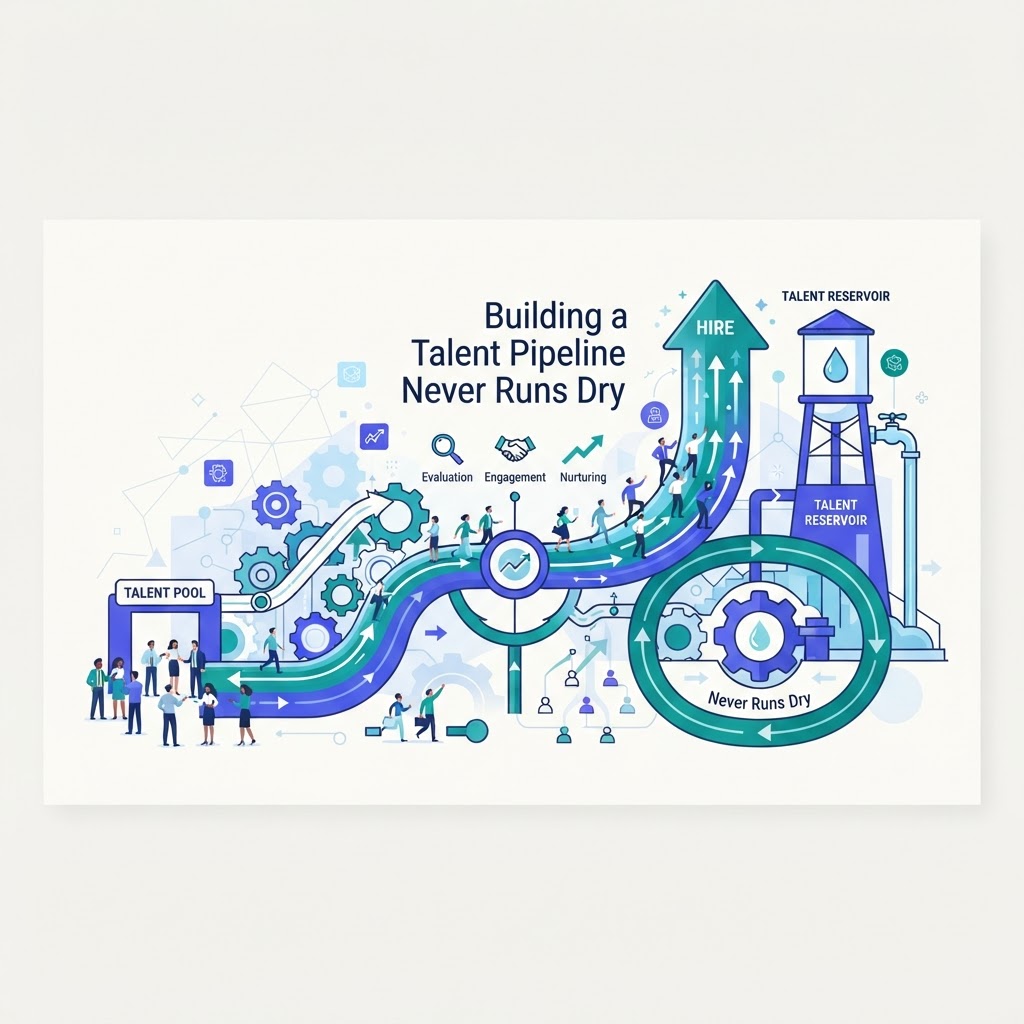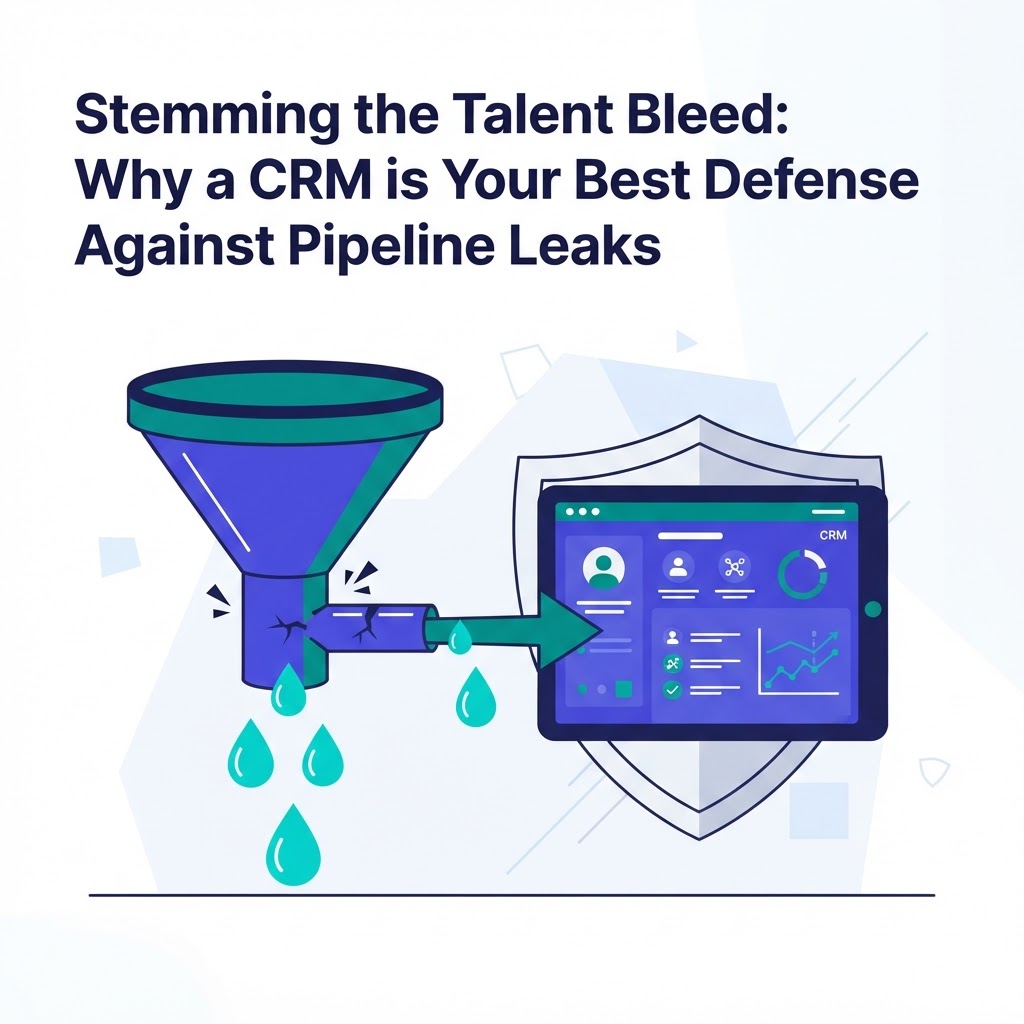
In the hyper-competitive world of modern recruitment, the biggest enemy to your agency’s bottom line isn't necessarily a bad market—it is the silent, invisible drain of your candidate pipeline. Many recruiters operate with fragmented workflows, relying on spreadsheets, cluttered email inboxes, and mental notes to track interactions. This approach creates 'pipeline leaks,' where promising candidates slip through the cracks, lose interest, or are snatched up by competitors simply because of poor follow-up and lack of organizational visibility. When you treat talent management as a manual task rather than a strategic process, you are essentially paying for leads that you never close.
The Anatomy of a Pipeline Leak
Pipeline leaks occur at every touchpoint of the recruitment process. The most common point of failure is the 'black hole' phase, where a candidate submits an application or has a stellar first interview but never hears back. According to industry data, nearly 60% of candidates drop out of a hiring process due to poor communication. Without a centralized system, it is physically impossible to manage the velocity required for high-volume recruitment. When a recruiter is juggling twenty roles, the candidate who requested an update three days ago becomes a forgotten row in an Excel file. By the time the recruiter circles back, the candidate has already accepted an offer elsewhere.
Why Spreadsheets Are Recruitment Graveyards
Many agencies start with spreadsheets because they are free and familiar, but they are designed for static data, not dynamic relationships. A spreadsheet cannot alert you that it has been five days since your last touchpoint with a passive candidate. It cannot provide a comprehensive history of every email, LinkedIn message, and interview note in one unified view. Relying on these tools forces recruiters to spend more time updating data than actually sourcing or engaging talent. This manual overhead creates a bottleneck; as your candidate volume increases, your ability to provide a human-centric experience diminishes, leading to high abandonment rates.
How RecruitingCRMFlow Plugs the Leaks
RecruitingCRMFlow is engineered specifically to eliminate these inefficiencies by centralizing every candidate interaction. Unlike a static tracker, our CRM creates a living map of your talent pool. It ensures that no candidate is ever left in limbo, providing the infrastructure to nurture relationships long-term. By shifting from manual tracking to an automated system, you regain control over your pipeline.
- Automated follow-up reminders prevent candidates from feeling ignored.
- Centralized communication logs ensure every team member has context before a call.
- Data-driven dashboards highlight exactly where candidates are dropping off.
- Automated status updates trigger notifications, keeping the process moving forward.
Turning Passive Leads into Long-Term Assets
Top talent is rarely looking for a job at the exact moment you happen to be hiring. They are passive, engaged, and busy. Without a CRM, these individuals are often contacted once, rejected or ignored, and then archived in an inaccessible folder. A recruiting CRM changes the dynamic by allowing you to segment your database and nurture 'warm' candidates over months or even years. RecruitingCRMFlow allows you to categorize prospects based on industry, seniority, and skill set, enabling targeted engagement campaigns. When a new role opens, you aren't starting from scratch; you are tapping into a database of pre-qualified, interested professionals who are already familiar with your brand.
The ROI of Proactive Candidate Engagement
Implementing a CRM isn't just about tidying up your files; it is about significantly increasing your 'fill rate' and reducing time-to-hire. By automating routine administrative tasks, recruiters can focus on the human side of the business—building genuine relationships and closing deals. Agencies that leverage RecruitingCRMFlow typically report a 30% reduction in time-to-hire because they stop losing time hunting for candidate history and start spending that time interviewing. When you stop the 'bleed' of talent, your recruitment agency becomes more efficient, more profitable, and far more attractive to both clients and candidates.
Conclusion: Stop Losing, Start Winning
The cost of inaction is high. Every candidate you lose due to a missed follow-up is an investment wasted. By transitioning from disorganized spreadsheets to a dedicated recruiting CRM like RecruitingCRMFlow, you transform your recruitment process from a reactive scramble into a proactive pipeline management machine. Stop losing your best talent to your competitors—take control of your data, optimize your touchpoints, and start building a sustainable competitive advantage.