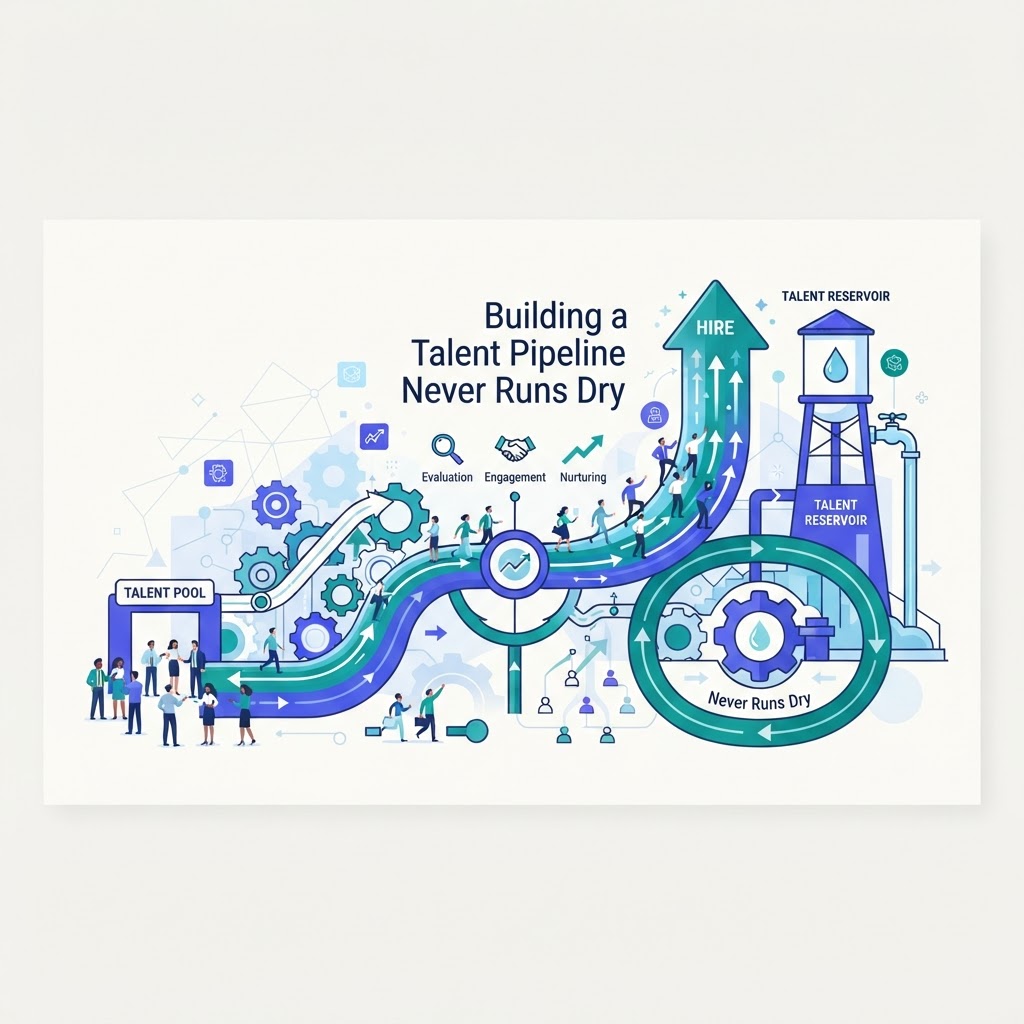
In today’s competitive talent landscape, the 'post and pray' method of recruitment is effectively obsolete. Top performers are rarely actively searching for new jobs; they are passive candidates who require engagement long before a formal vacancy opens. Building a sustainable, evergreen talent pipeline is the difference between struggling to fill roles in thirty days and having a vetted shortlist ready in thirty minutes. By shifting your mindset from reactive recruiting to proactive talent pooling, you ensure your agency or internal team always has a pulse on the market.
The Strategic Shift to Proactive Pipeline Management
A proactive pipeline is not just a database of resumes; it is a living ecosystem of nurtured relationships. Many recruiters make the mistake of treating candidates as transactional assets—useful only when a specific job description needs to be filled. Instead, treat every interaction as a long-term investment. Proactive recruitment involves identifying skill gaps, mapping out target companies, and engaging high-potential individuals before your competitors do. The goal is to reach a point where you are not searching for candidates, but rather selecting from a pre-qualified pool of interested professionals.
Leveraging Your Recruiting CRM for Centralization
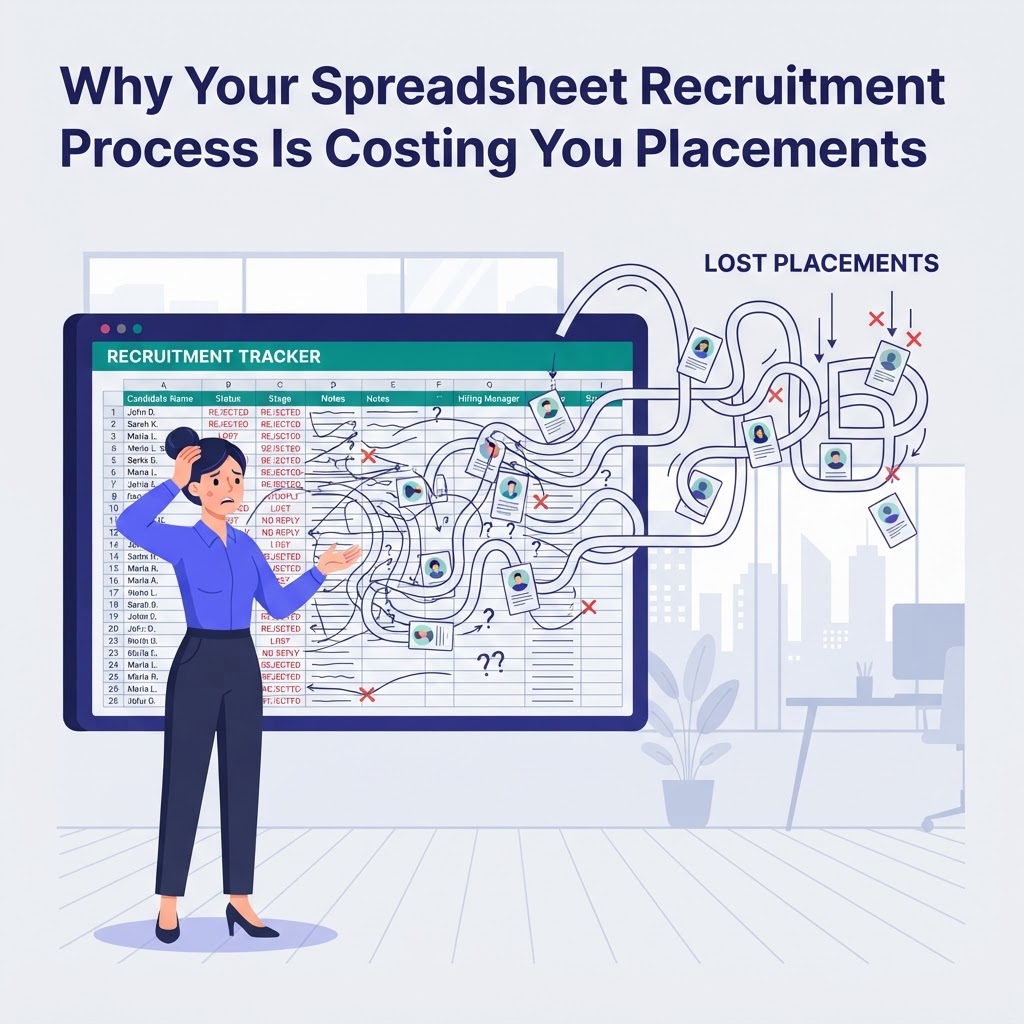
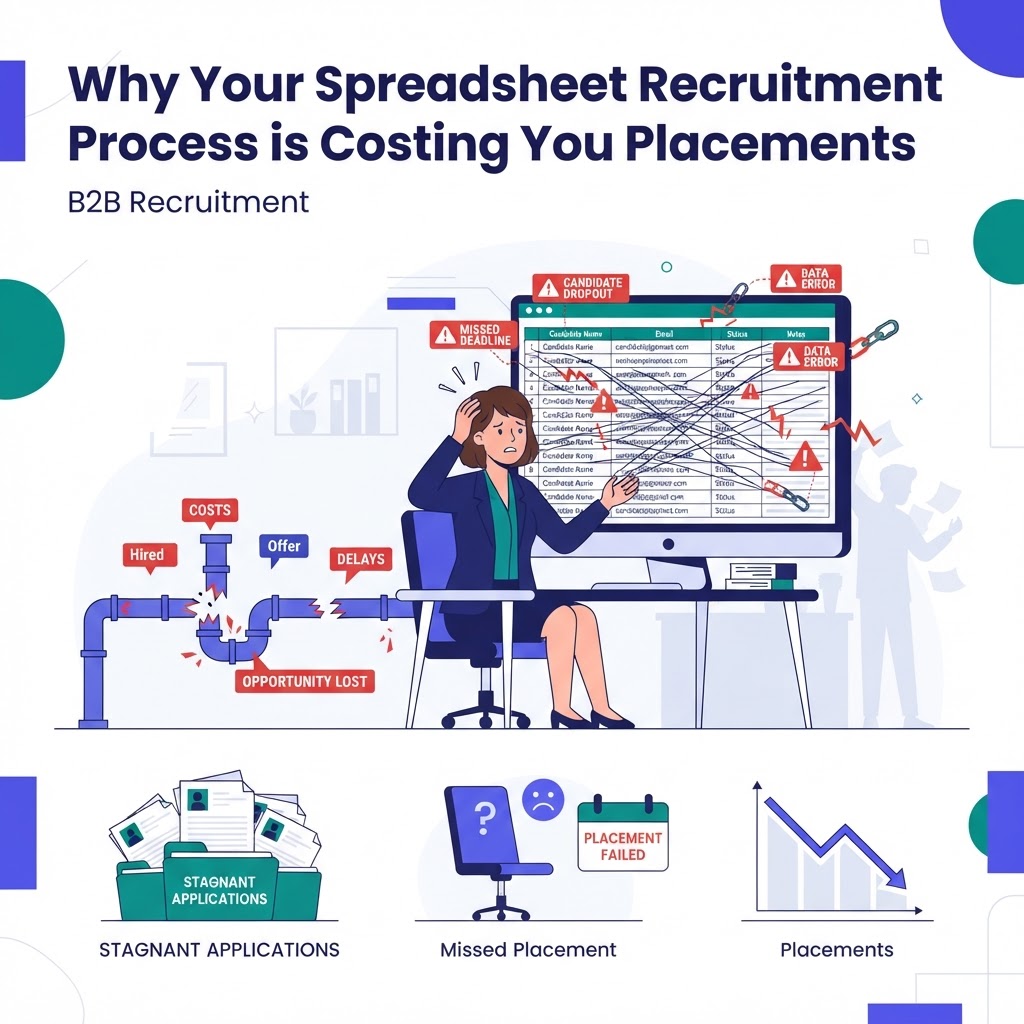
The biggest enemy of a healthy pipeline is fragmentation. When contact details, conversation history, and feedback are scattered across spreadsheets, email threads, and personal notes, potential hires fall through the cracks. This is where RecruitingCRMFlow becomes essential. By centralizing every touchpoint in a single CRM, you create a "single source of truth" for your talent market. If a candidate worked with a recruiter two years ago, the history is immediately available, preventing the embarrassment of reaching out to someone who is already in your database. Using a CRM allows you to segment your candidates by skill set, geography, and engagement level, ensuring that no lead is ever truly lost.
Categorizing Talent Pools for Better Engagement
Not all candidates in your pipeline should be treated the same. A "one-size-fits-all" email blast is a surefire way to decrease engagement. Instead, structure your talent pools into logical categories that allow for hyper-personalized communication. Consider the following segments:
- The 'Passive Gold': High-performers currently employed at target companies who have expressed interest in the future.
- The 'Silver Medalists': Qualified runners-up from previous searches who were a great cultural fit but missed the final offer.
- The 'Future Leaders': Junior to mid-level talent showing potential for specialized roles that will be in demand next quarter.
- The 'Alumni & Referrals': Former employees or candidates recommended by high-value contacts.
By categorizing these groups within RecruitingCRMFlow, you can trigger automated, relevant updates about market trends or company growth, keeping your brand top-of-mind.
Automating the Nurture Process
Manual follow-ups are time-consuming, but consistency is the heartbeat of a pipeline. Research shows that it takes an average of six to eight touchpoints to convert a passive candidate into an applicant. If you are doing this manually, you will eventually burn out or forget to follow up. Automation is the solution to scalability. Set up automated nurture sequences that send quarterly check-ins, industry news, or insights about your client's growth trajectory. When your CRM handles the logistics of scheduling follow-ups, your recruiters are free to focus on what matters most: high-quality conversations that build genuine rapport.
Measuring Pipeline Health with Key Metrics
If you aren't measuring your pipeline, you are just guessing. To ensure your efforts are bearing fruit, track these three critical metrics within your platform:
- Pipeline Velocity: How long does it take for a passive lead to move into an active application stage?
- Source Conversion Rates: Which channels—LinkedIn, networking events, or referrals—actually produce the highest number of successful hires?
- Time-to-Fill: A healthy, proactive pipeline should consistently reduce your average time-to-fill, as you are starting from a pool of warm leads rather than a cold market.
RecruitingCRMFlow provides the analytical dashboards needed to visualize these trends, helping you decide which outreach strategies to double down on and which to discard.
Conclusion: The Long-Term Advantage
Building a talent pipeline that never runs dry is not an overnight project; it is a foundational business discipline. By moving away from reactive hiring, centralizing your data in a robust platform like RecruitingCRMFlow, and treating your candidate database as a nurtured community, you gain a massive competitive edge. The best recruiters are not those who are fastest at writing job ads, but those who have the most meaningful, long-standing relationships with the best talent in the industry. Start building your ecosystem today, and watch your recruitment metrics—and your quality of hire—transform over the coming year.