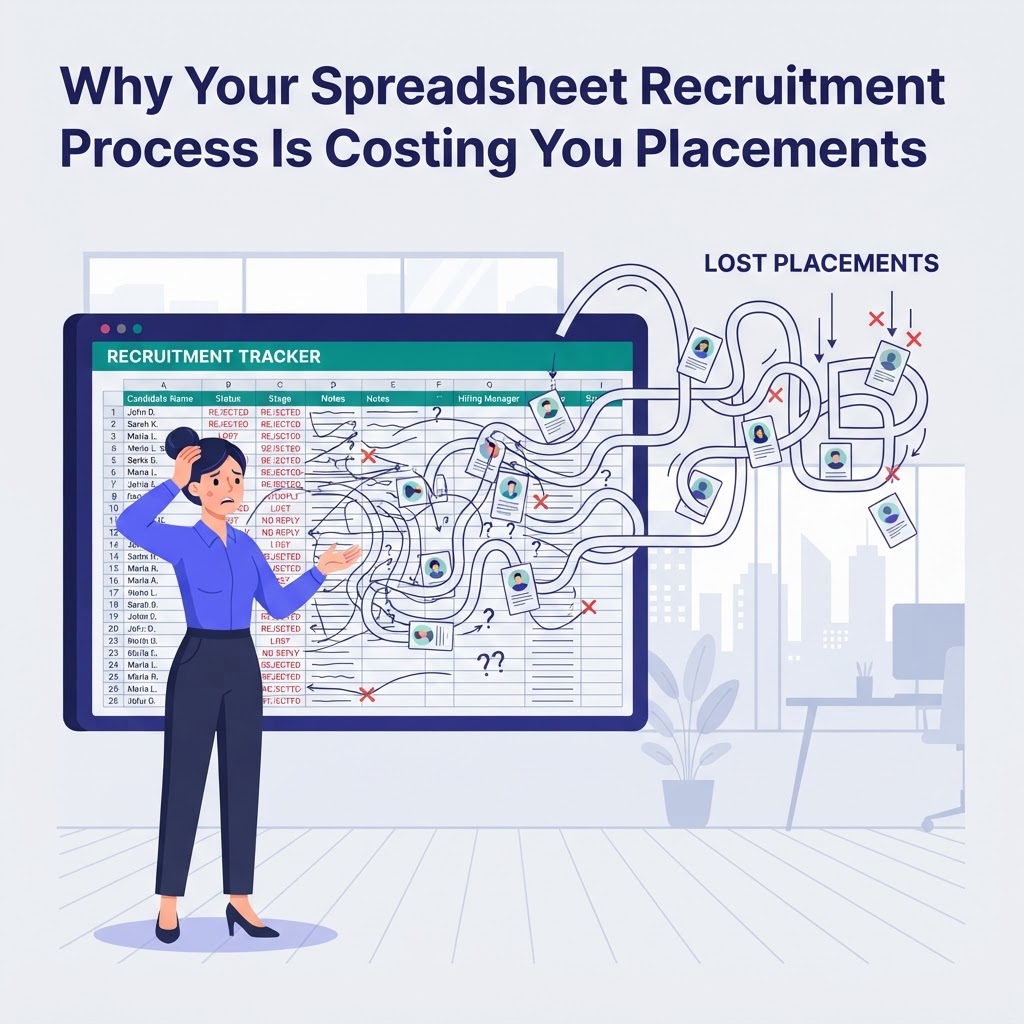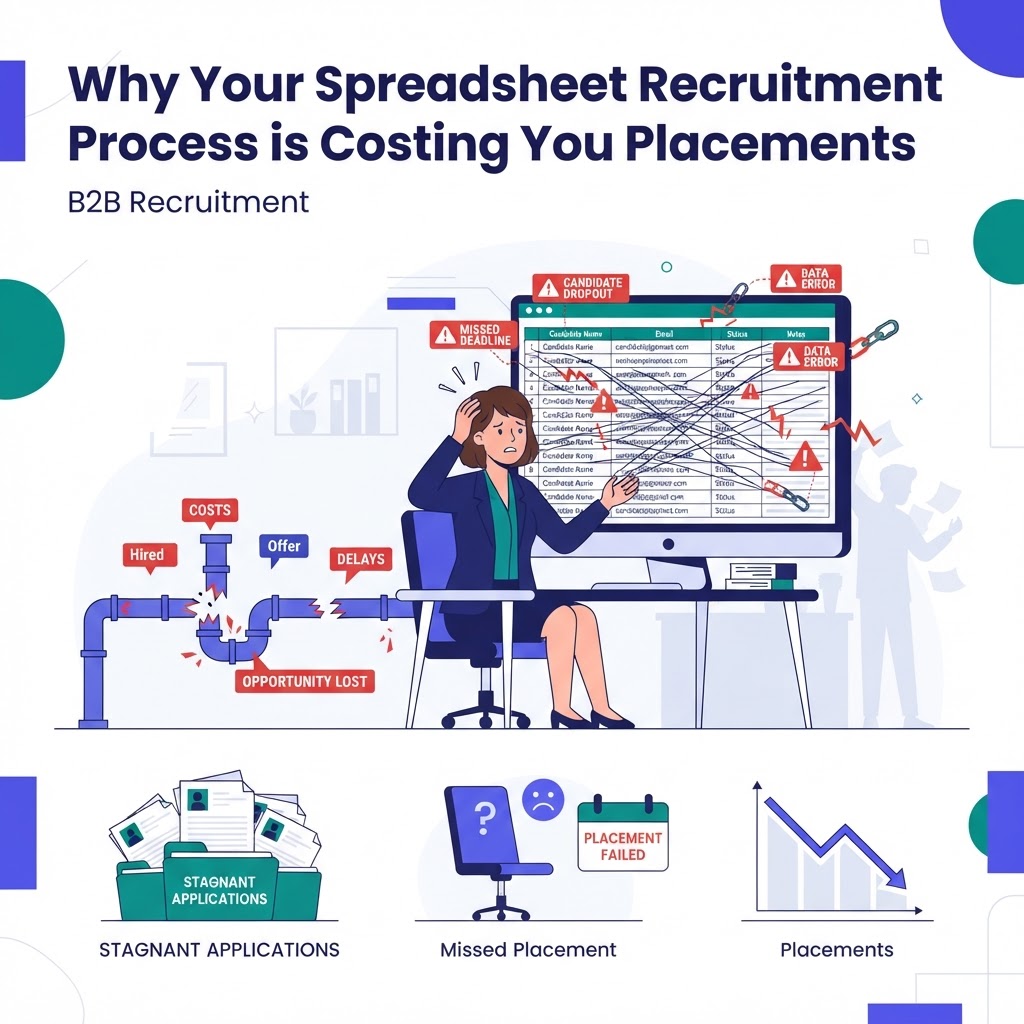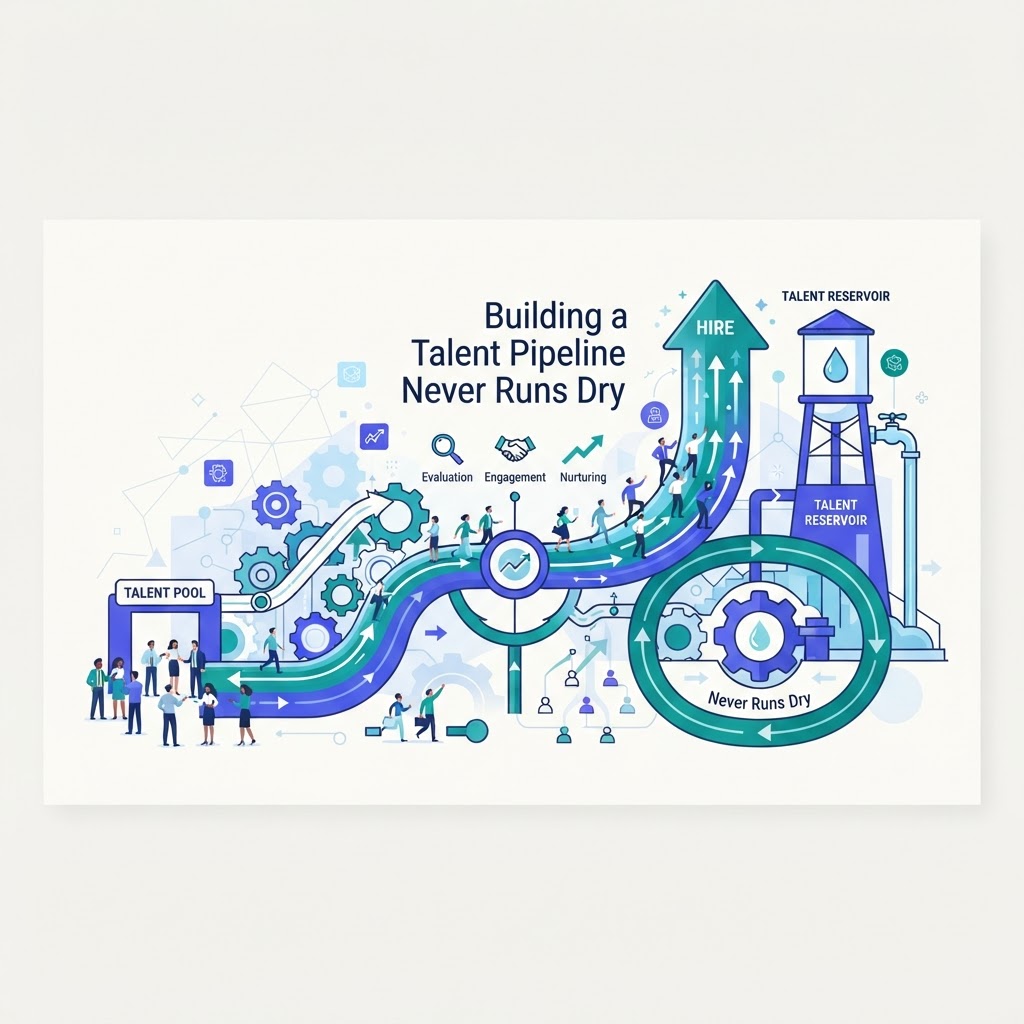
In the fast-paced world of recruitment, the difference between a high-performing agency and one that struggles to keep up is often found in the quality of its talent pipeline. Many recruiters operate in a reactive state, scrambling to find candidates only after a requisition hits their desk. This 'just-in-time' approach leads to higher costs-per-hire, increased time-to-fill, and the frequent loss of top-tier talent to competitors. Building a pipeline that never runs dry requires a fundamental shift toward proactive engagement, centralized data management, and the consistent cultivation of candidate relationships.
Map Your Talent Ecosystem
The first step to building a sustainable pipeline is understanding exactly where your talent resides. Rather than relying on sporadic LinkedIn searches, categorize your market into distinct talent pools. Successful agencies divide their prospects into categories such as 'Passive Top Performers,' 'Alumni/Silver Medalists,' and 'Emerging Industry Talent.'
By segmenting these groups within RecruitingCRMFlow, you can tailor your outreach efforts. For instance, a passive senior engineer requires a different cadence of communication than a recent university graduate. When you map your ecosystem, you transform an overwhelming database of thousands into manageable, actionable lists that you can nurture over time.
Leverage a CRM for Long-Term Engagement
The greatest tragedy in recruitment is 'candidate amnesia'—the tendency to lose contact with high-quality prospects because they were rejected or simply weren't ready to move six months ago. Without a dedicated CRM, these valuable connections vanish into static spreadsheets or deep email archives. RecruitingCRMFlow solves this by acting as your institutional memory. It tracks every touchpoint, from the initial LinkedIn message to the last phone screen.
When a candidate is not ready today, the CRM allows you to set automated reminders to reconnect in three or six months. This continuity ensures that when a vacancy finally opens, you aren't starting from scratch. You are simply engaging with a pre-warmed, interested network that you have been cultivating for months.
Automate Personalization at Scale
Proactive pipeline building is time-consuming, but automation provides the leverage needed to scale. The key is to balance efficiency with personalization. Generic 'blast' emails are easily spotted and ignored, but segmented, automated sequences can keep your agency top-of-mind.
For example, use your CRM to trigger a drip campaign that shares relevant industry whitepapers, market salary reports, or agency success stories with specific talent pools. By providing value before asking for a commitment, you build trust. Statistics show that nurtured leads produce 50% more sales-ready candidates at a 33% lower cost. RecruitingCRMFlow enables you to automate these touchpoints while keeping the content tailored to the specific professional interests of the recipients.
Optimize the Candidate Experience
A pipeline is only as good as the candidate experience within it. If your process is clunky, candidates will drop out regardless of how well you’ve nurtured them. Modern candidates expect transparency, speed, and mobile-friendly applications. Use your ATS to streamline the workflow, ensuring that every candidate receives timely feedback, even if it is a rejection.
Furthermore, consider the 'Silver Medalist' group. These are the candidates who were finalists but weren't hired. They are already vetted and culture-fit approved. Keeping these candidates warm within your system is the fastest way to fill a future role. RecruitingCRMFlow makes it simple to tag these individuals for priority consideration in future searches, drastically reducing the initial screening phase of your recruitment cycle.
Measure Success with Data-Driven Insights
You cannot improve what you do not measure. To build an infinite pipeline, you must track metrics like 'source-of-hire,' 'conversion rates by talent pool,' and 'time-to-nurture.' By reviewing these metrics inside your CRM dashboard, you can identify which channels yield the best long-term results and where your pipeline might be leaking.
If your data shows that 70% of your successful hires came from your internal database rather than job boards, you know to double down on your nurturing strategies. RecruitingCRMFlow provides the analytical horsepower to visualize these trends, allowing you to reallocate your time toward the activities that yield the highest return on investment.
Conclusion
Building a pipeline that never runs dry is not an overnight task, but it is the most effective way to gain a competitive advantage in the talent market. By moving away from reactive sourcing and embracing a proactive, CRM-centric model, you transform recruitment from a series of frantic tasks into a streamlined, strategic asset. With the right tools like RecruitingCRMFlow, you can maintain deep relationships with the best candidates, ensuring that when the right role appears, your perfect hire is already waiting in your network.