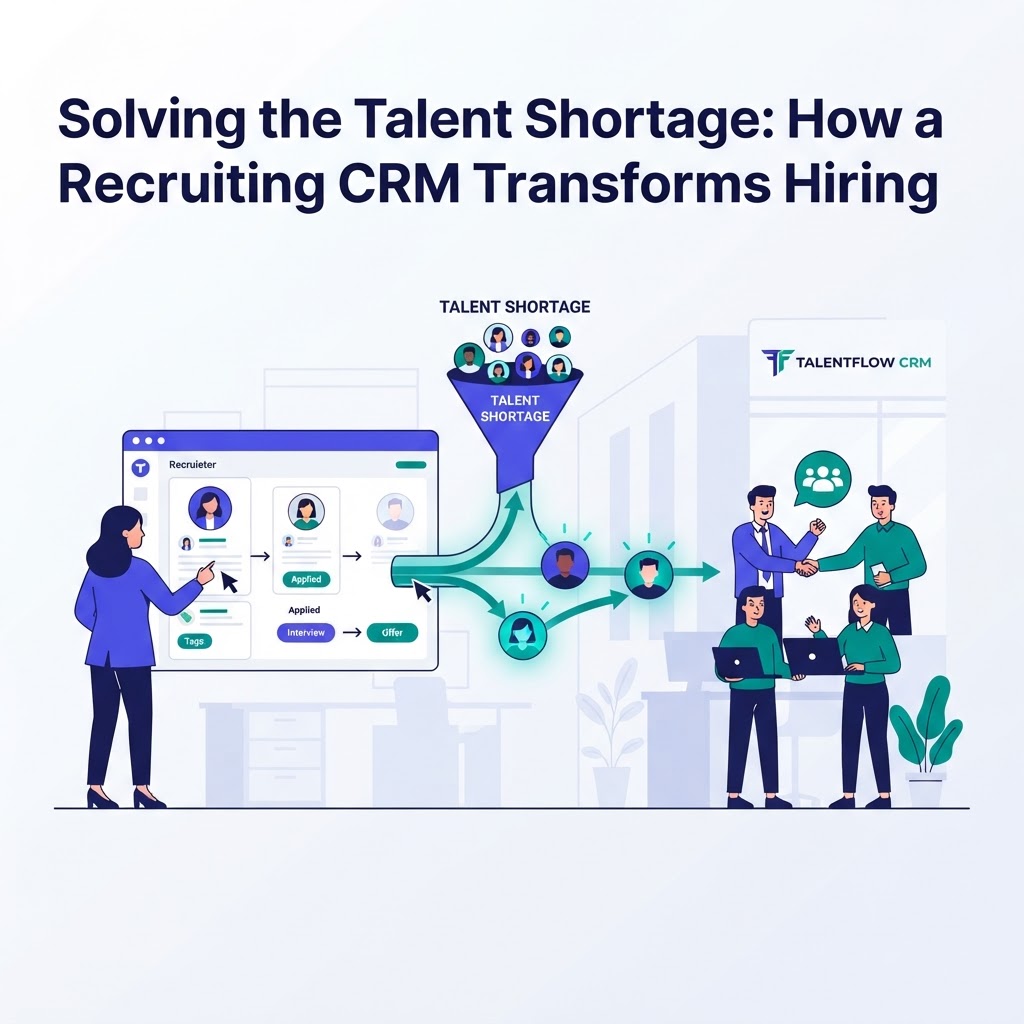
The current labor market presents a paradoxical challenge: while job boards are flooded with unqualified applications, high-quality, passive candidates remain notoriously difficult to attract. Businesses often find themselves caught in a cycle of reactive hiring, spending thousands on job advertisements only to face ghosting or skill mismatches. This talent shortage is not necessarily a lack of qualified professionals, but rather a failure in relationship management and reach. Without a systematic way to engage, track, and nurture potential hires, companies lose out on top-tier talent to competitors who are more agile and better connected.
The Cost of Reactive Recruitment
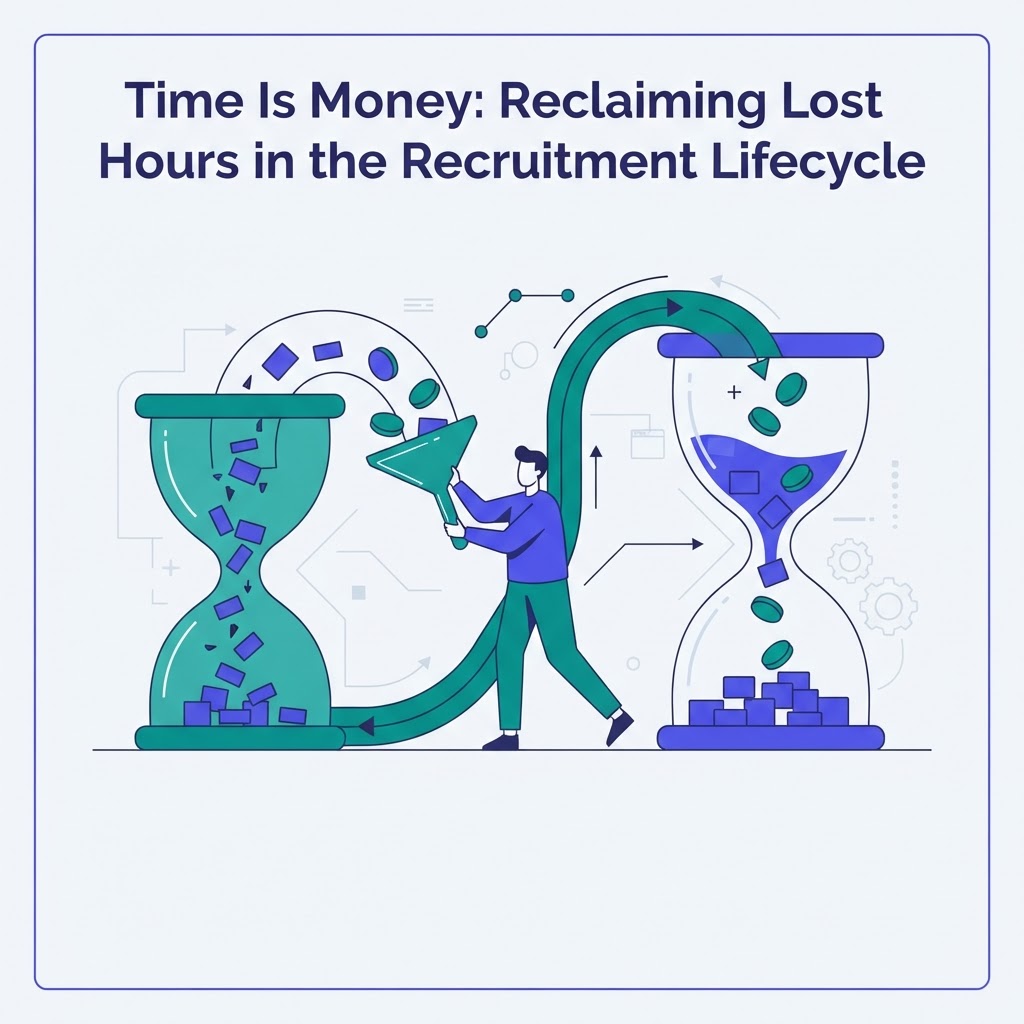
Reactive recruiting is expensive and inefficient. When a role opens, most companies scramble to post the position on multiple platforms, hoping the right candidate will apply. According to industry data, the average time-to-hire has increased by 20% over the last five years, largely due to decentralized hiring processes. When you lack a central repository for talent, you rely on fragmented spreadsheets, email threads, and personal notes. This 'lost data' approach means that when a previous applicant reappears in the market, your team has no record of their history, previous interview performance, or specific interests. This wasted institutional memory is a primary driver of recruitment delays.
Shifting to Proactive Sourcing
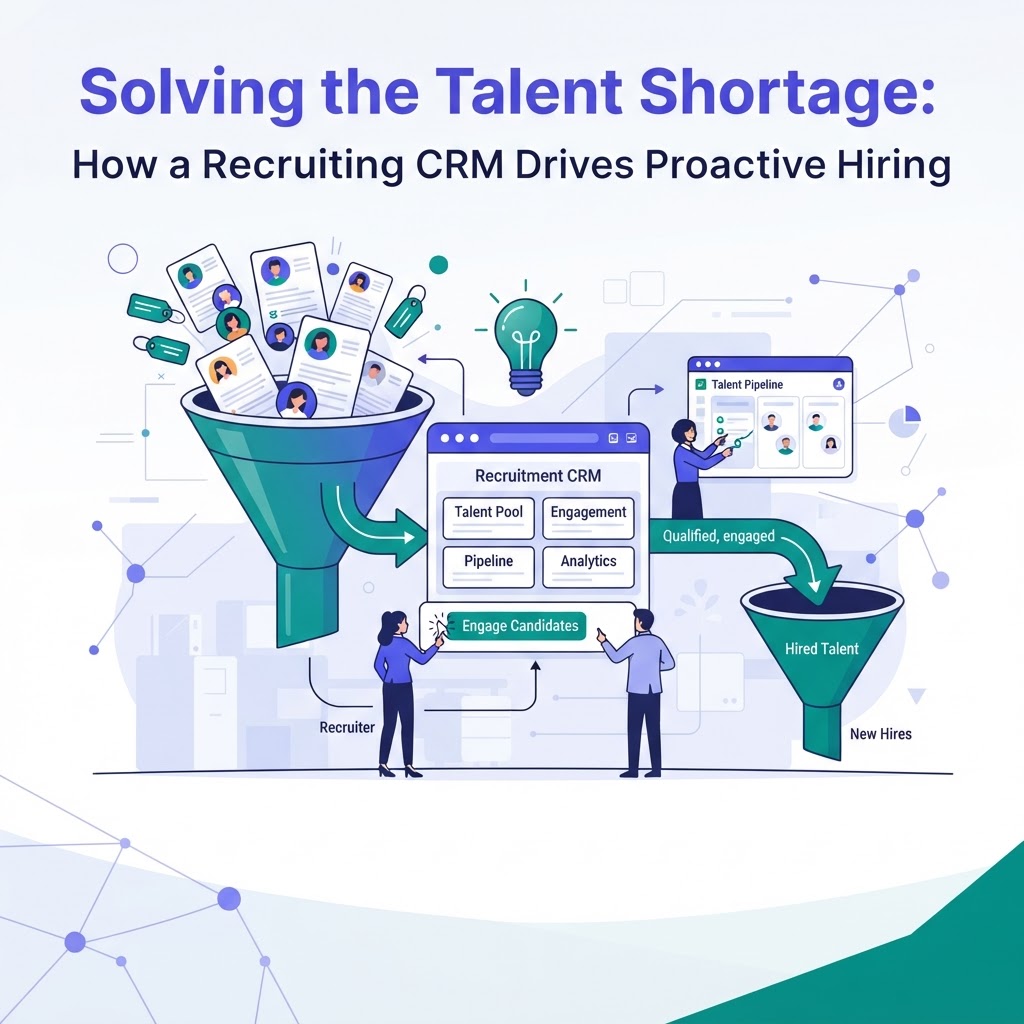
To overcome talent scarcity, organizations must transition from being job-posters to talent-scouters. Proactive sourcing involves building a pipeline of candidates before a specific role even becomes urgent. By leveraging a robust recruiting CRM like RecruitingCRMFlow, your team can categorize potential hires into talent pools based on skill sets, seniority, and industry experience. Instead of starting from scratch every time a manager requests a new headcount, your recruiters can dip into a pre-warmed list of contacts who have already expressed interest in the brand. This strategy reduces reliance on expensive agency fees and decreases the time-to-fill by an average of 30%.
Centralizing Data to Prevent Candidate Leakage
One of the most common reasons businesses fail to fill roles is 'candidate leakage.' This occurs when a promising candidate is contacted, enters the pipeline, and is then forgotten due to poor follow-up or a lack of internal communication. A recruiting CRM acts as the single source of truth for your entire candidate lifecycle. With RecruitingCRMFlow, every interaction is logged—from initial outreach emails and LinkedIn messages to interview notes and feedback rounds. This transparency ensures that no candidate falls through the cracks and that multiple recruiters can collaborate effectively without duplicating outreach efforts, which often irritates top-tier talent.
Nurturing Talent with Automated Engagement
Passive candidates often require consistent nurturing before they are ready to jump ship. They aren't looking for a job today, but they might be in six months. A CRM allows you to set up automated drip campaigns that share company news, thought leadership content, or updates about team culture. By keeping your brand top-of-mind, you ensure that when the candidate is finally ready to move, your company is the first one they contact. Personalization at scale is the secret weapon here; using CRM data to send tailored messages based on a candidate's specific interests significantly increases response rates compared to generic cold outreach.
Leveraging Analytics for Better Decision Making
Data-driven recruitment is no longer a luxury; it is a necessity for survival in a competitive market. Without a CRM, identifying bottlenecks in your hiring process is nearly impossible. RecruitingCRMFlow provides deep insights into where your best candidates are coming from, which sourcing channels yield the highest conversion rates, and where candidates are dropping off during the interview process. By analyzing these KPIs, you can pivot your strategy in real-time, focusing your budget and energy on the tactics that actually produce hires. Understanding these metrics turns recruitment from a black box into a predictable, scalable business function.
Conclusion: Build Your Competitive Advantage
The talent shortage is a permanent feature of the modern landscape, but it does not have to be an insurmountable hurdle. By adopting a recruiting CRM, you stop chasing talent and start building a sustainable pipeline. From centralizing candidate history to automating engagement and analyzing performance metrics, the right technology gives you the structure needed to act fast and hire better. Investing in a tool like RecruitingCRMFlow isn't just about managing contacts; it is about building a scalable engine that turns talent scarcity into your greatest competitive advantage.