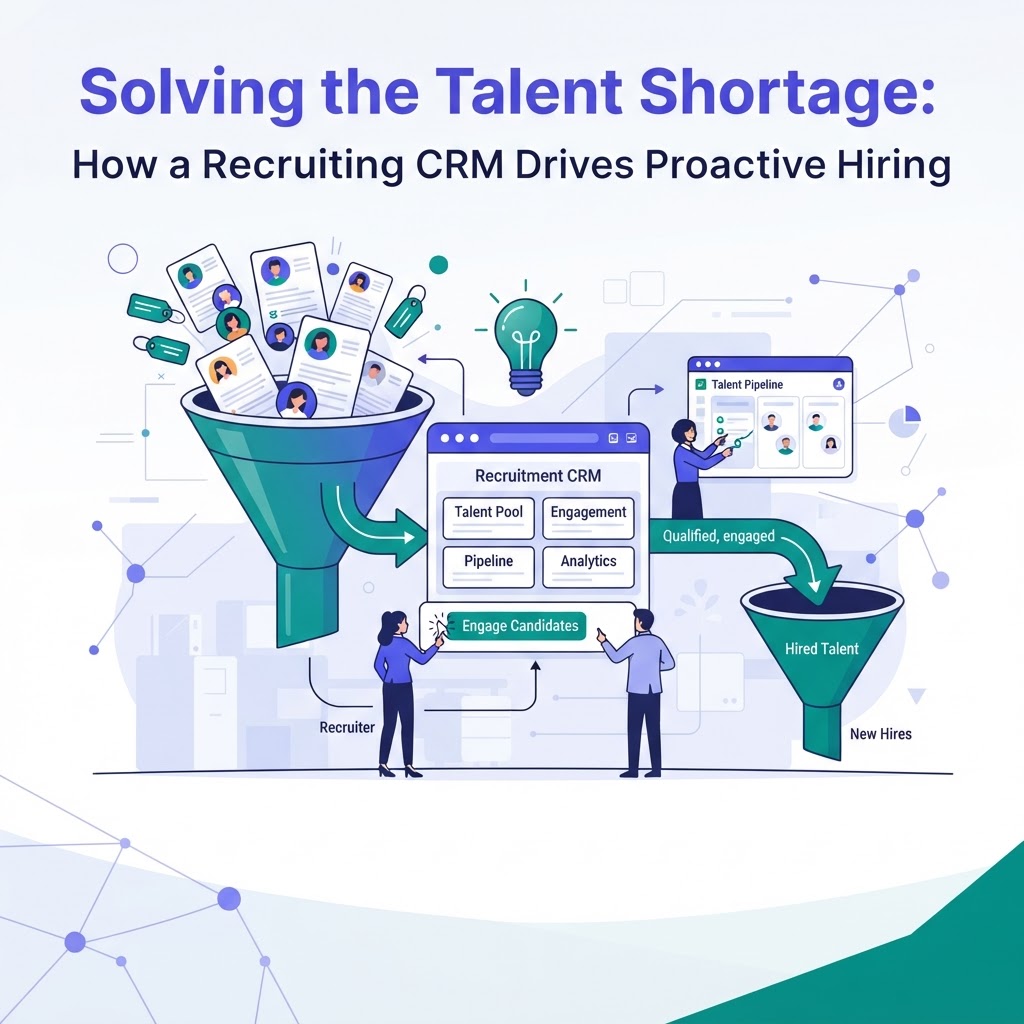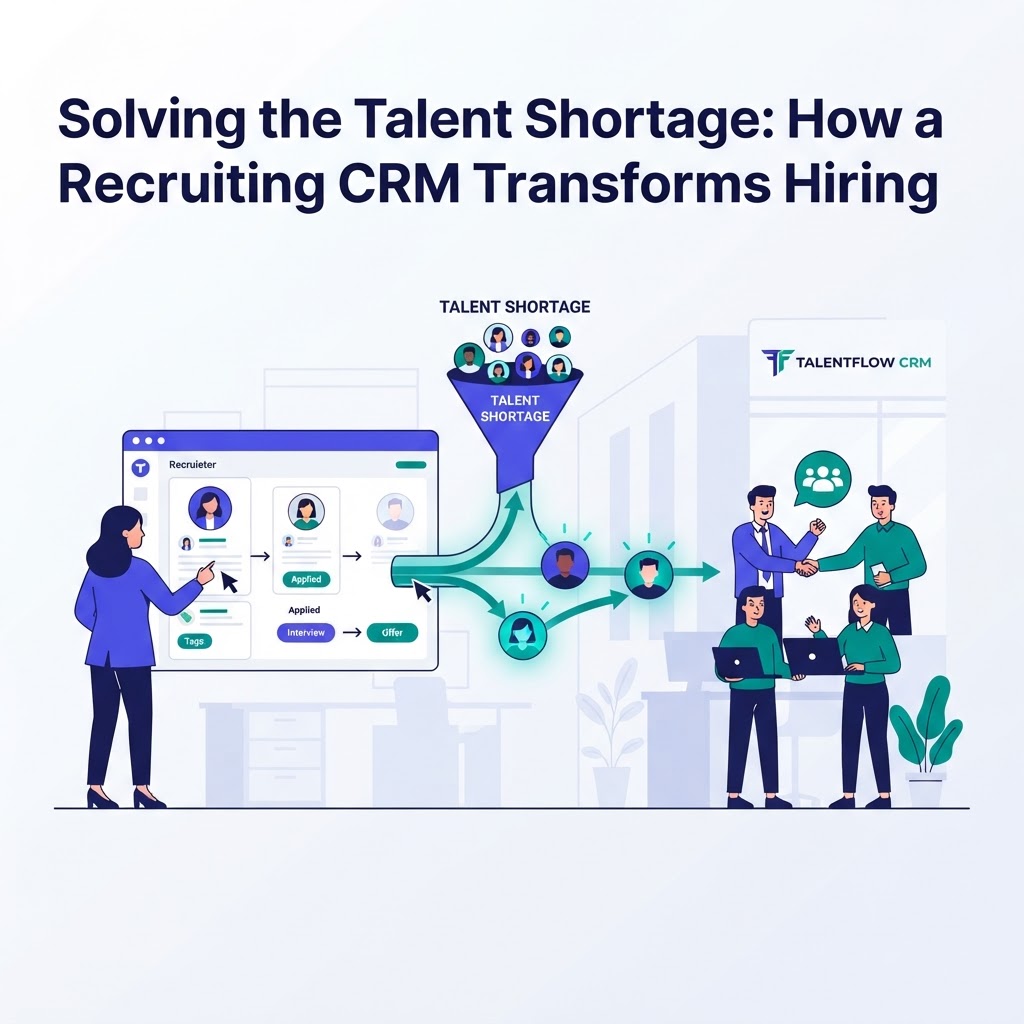
The modern recruitment landscape is characterized by a persistent and deepening talent shortage. With unemployment rates hovering near historical lows in many key sectors, businesses are struggling to find qualified professionals. The issue is not necessarily a lack of talent in the market, but rather a lack of visibility and engagement. Most companies rely on reactive hiring, waiting for applicants to find their job postings rather than actively cultivating a pipeline of qualified leads. This approach is no longer sustainable in a candidate-driven market.
The Cost of Reactive Recruiting
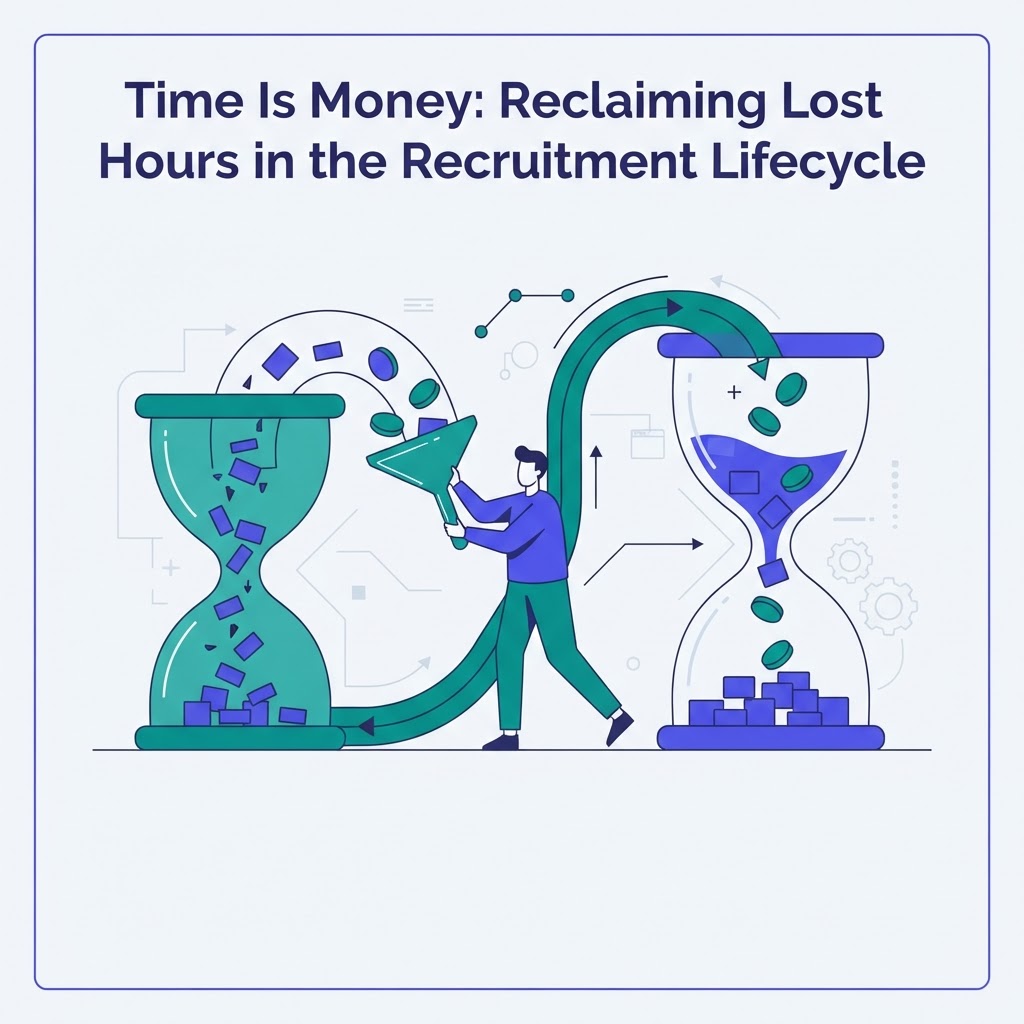
Reactive recruiting is the primary driver of extended time-to-fill metrics. When a hiring manager opens a requisition, the team often starts from scratch, posting to boards and waiting for resumes. This process typically takes between 45 to 60 days on average. During this waiting period, productivity gaps widen, and the company risks losing competitive advantage. Without a centralized database, recruiters often lose track of candidates who were a great fit three months ago but weren't ready to jump ship at that specific moment. This institutional amnesia is a significant source of wasted potential.
Moving from Database to Talent Pipeline
To overcome talent scarcity, organizations must transition from a database mindset to a pipeline mindset. A recruiting CRM, such as RecruitingCRMFlow, acts as the central intelligence hub for all talent acquisition efforts. Unlike a static ATS that only tracks current applicants, a CRM captures every touchpoint, interaction, and history with potential candidates. By proactively sourcing and nurturing these relationships, companies can create a talent bench ready for deployment as soon as a vacancy arises. This shift can reduce time-to-fill by as much as 30% by providing an immediate pool of pre-warmed contacts.
Automating the Nurture Process
One of the biggest hurdles to proactive sourcing is the time investment required to maintain long-term relationships with passive candidates. It is impossible for a human recruiter to manually keep in touch with thousands of qualified leads over many months. This is where automation becomes a critical differentiator. RecruitingCRMFlow allows teams to set up automated email sequences that share company news, industry insights, and career growth opportunities. This keeps your brand top-of-mind for passive candidates so that when they are ready to transition, yours is the first company they contact.
Leveraging Data to Eliminate Lost Contacts
Many businesses lose significant talent simply by mismanaging their data. If your recruiting team uses spreadsheets or scattered email threads to track candidates, you are effectively leaving high-quality leads on the table. A recruiting CRM ensures that every interaction—whether from LinkedIn, a career fair, or a previous application—is tagged, categorized, and searchable. If you need a specialized developer in a specific region, you should be able to query your CRM and pull a list of candidates you already vetted last year. RecruitingCRMFlow turns your historical data into a goldmine of future hires.
Achieving Measurable Results
Implementing a dedicated CRM isn't just about better organization; it is about measurable performance. By tracking conversion rates at every stage of the funnel, from first contact to offer acceptance, you can identify where your process breaks down. Companies that utilize specialized recruiting software see improvements in:
- Candidate engagement rates, often increasing by 40% through targeted outreach.
- Cost-per-hire, by reducing reliance on expensive external headhunters and job boards.
- Recruiter productivity, by automating repetitive tasks and scheduling.
- Quality of hire, through deeper, long-term vetting processes.
Conclusion
Solving the talent shortage requires a fundamental shift in strategy from waiting for applicants to building sustainable relationships. By adopting a recruiting CRM like RecruitingCRMFlow, you ensure that no candidate is forgotten, every touchpoint is optimized, and your hiring team spends their time engaging with people rather than searching for lost data. In a competitive market, those who own the relationship own the talent. It is time to treat your candidate pool with the same strategic importance as your customer pipeline.