The recruitment process is often viewed as a simple transaction: find a candidate, fill a seat, and move on. However, when the selection process is rushed or disorganized, the fallout can be catastrophic for your organization. A bad hire is not merely a temporary annoyance; it is a financial drain that ripples through your company culture, productivity, and revenue for months or even years.
The True Financial Impact of a Mismatched Hire
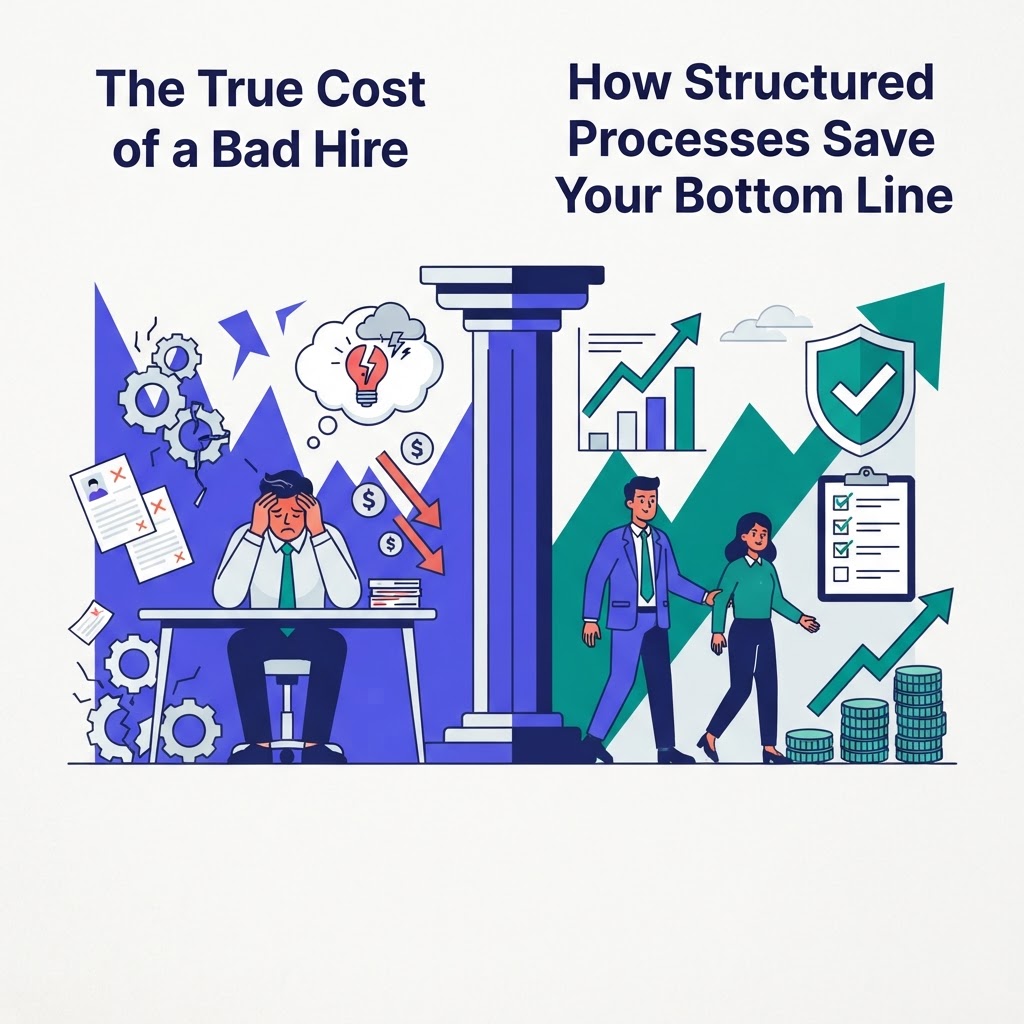
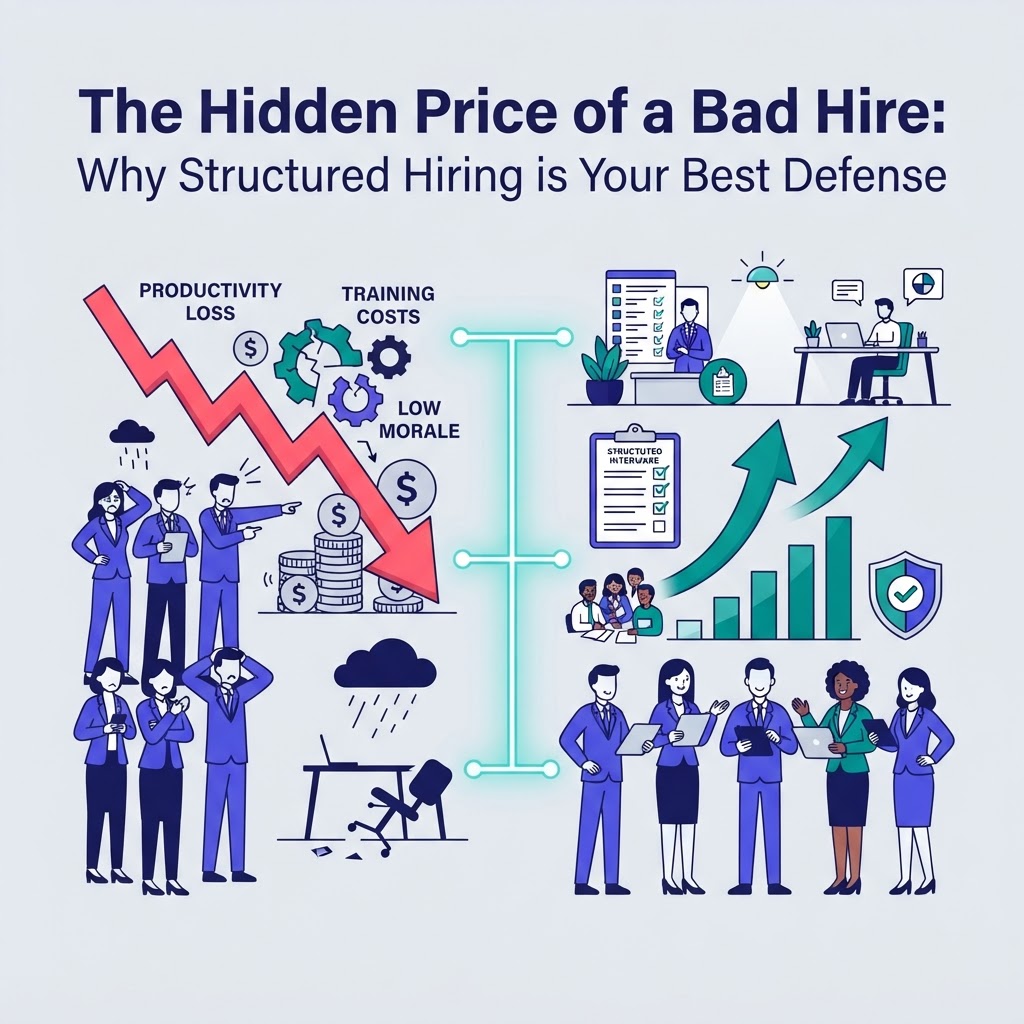
Experts often suggest that the cost of a bad hire can range from 30% to over 150% of the employee’s first-year salary. This number is not an exaggeration when you account for the hidden variables. Beyond the wasted recruitment fees and onboarding costs, you must consider the lost productivity of the new hire, the time spent by managers coaching the individual, the potential loss of clients, and the morale hit to high-performing team members who must pick up the slack.
Consider a senior developer with a salary of $120,000. If they fail to integrate, you have paid their salary, the cost of the recruiter who sourced them, the time spent by the engineering lead on interviews, and the overhead of training. If they exit after six months, you have essentially burned tens of thousands of dollars while your project timelines have stalled. This is where RecruitingCRMFlow becomes a critical asset, ensuring that no candidate history or interview data is ever lost, allowing you to learn from past hiring mistakes.
Why Intuition Fails Without Process
Many hiring managers rely on the "gut feeling" method, but research consistently shows that unstructured interviews are among the least effective predictors of future performance. When decisions are made based on bias or a pleasant conversation, you lose the objective data points required to make an informed choice. This is the primary driver of high turnover rates.
Structured hiring flips the script. It requires every candidate to undergo the same rigorous evaluation process, using the same set of questions and scorecards. This creates a standardized "paper trail" of performance potential. Without a system like RecruitingCRMFlow, this data often sits in scattered spreadsheets or email threads, making it impossible to perform meaningful retrospectives. By centralizing your hiring data, you ensure that every decision is backed by evidence rather than subjective impressions.
Guardrails: How Your CRM Acts as a Hiring Firewall
If you are operating without an ATS or CRM, you are effectively flying blind. A dedicated platform like RecruitingCRMFlow acts as a series of guardrails that prevent your team from making hasty, ill-informed decisions. It enforces process compliance by ensuring that no stage of the interview funnel is skipped.
- Automated Scorecards: Force interviewers to quantify their feedback immediately after a call.
- Pipeline Analytics: Track conversion rates at each stage to identify if your screening process is too loose.
- Talent Database: Prevent losing high-potential contacts who weren't the right fit for one role but are perfect for another.
By leveraging these features, you remove the chaos that often leads to "panic hiring," a common scenario where managers settle for the best of a bad bunch because they have lost track of better candidates in their pipeline.
Building Consistency with Structured Scorecards
Structured hiring doesn't mean removing the human element; it means removing the bias. When you utilize the scorecard features within RecruitingCRMFlow, you force stakeholders to rate candidates on specific skills relevant to the job description. This forces a comparison based on competency rather than personality.
If three interviewers all rate a candidate poorly on "Technical Proficiency" but enjoy their "Cultural Fit," the CRM makes this discrepancy immediately visible. This allows the hiring team to pause and re-evaluate the candidate’s actual capability to perform the job, rather than letting charisma hide a lack of hard skills.
The Long-Term ROI of a Disciplined Pipeline
Investing in a structured process today prevents the chaos of turnover tomorrow. The real ROI of tools like RecruitingCRMFlow is the compounded benefit of a more stable workforce. When your hiring team has a consistent process, you aren't just filling seats; you are building an intentional organization. Your CRM ensures that you are constantly engaging with top-tier talent, keeping a warm pipeline, and reducing the time-to-hire through standardized workflows.
In conclusion, the cost of a bad hire is a risk that most organizations cannot afford to ignore. By shifting from an intuitive, disorganized approach to a structured, data-driven hiring methodology, you protect your company from significant financial losses. Using RecruitingCRMFlow as your central command center ensures your hiring process remains consistent, compliant, and—above all—effective.