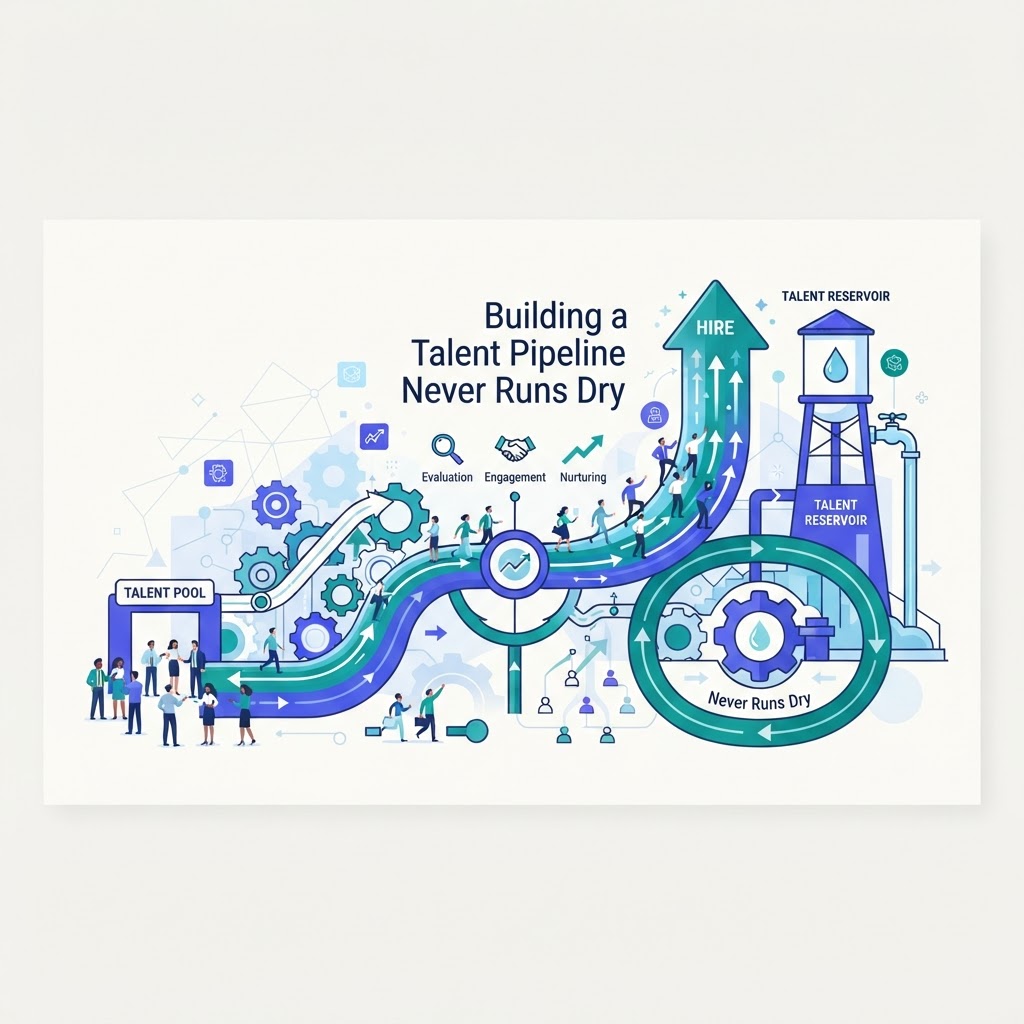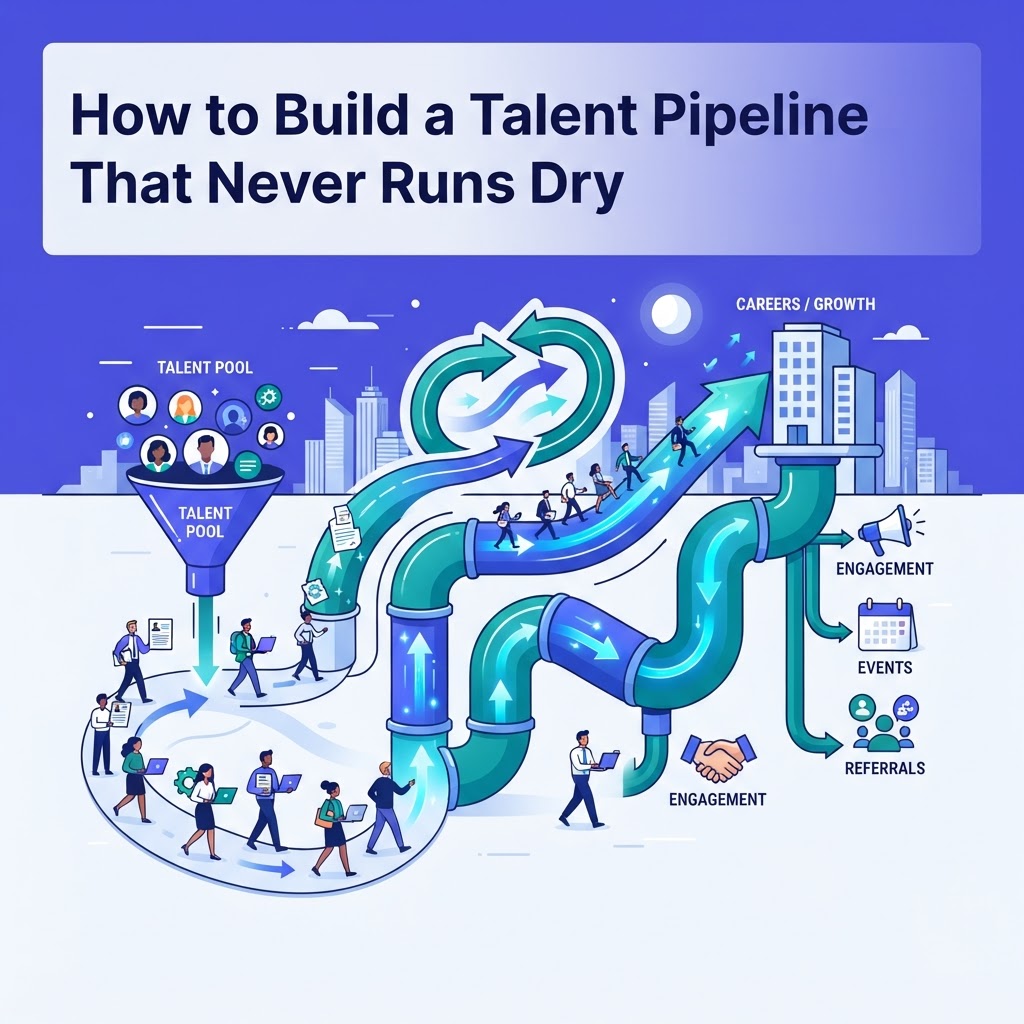
In today’s hyper-competitive talent market, the reactive 'post-and-pray' model is officially dead. Recruiters who wait for an opening to appear before sourcing candidates are already weeks behind their competition. To win, you must shift toward proactive pipeline building—the art of engaging top-tier professionals months, or even years, before they are officially on the market. By building an evergreen talent pool, you ensure that when a role opens, you have a shortlist ready to go rather than an empty database and a looming deadline.
Define Your Candidate Personas and Strategy
The foundation of a never-ending pipeline starts with data, not activity. Before you reach out to a single person, define the specific skill sets, cultural attributes, and career trajectories that align with your organizational growth. Instead of generic searches, segment your database into specific talent pools like 'High-Potential Sales Leaders' or 'Cloud Architecture Specialists.' When you use a platform like RecruiterCRMFlow, you can categorize these segments effectively, ensuring your outreach is targeted rather than broad. Data-driven sourcing reduces 'time-to-first-contact' by an average of 40% when your criteria are already baked into your CRM workflows.
The Power of Strategic Talent Pools
Think of your talent pool as an investment portfolio that requires consistent maintenance. A dormant database is a liability; an active pool is an asset. You should segment your pool into three tiers: 'Ready Now,' 'Passive/Nurturing,' and 'Future Talent.'
- Ready Now: Candidates you have interviewed or vetted who are currently looking for a move.
- Passive/Nurturing: High-quality candidates who are employed but open to hearing about long-term opportunities.
- Future Talent: University graduates or junior specialists who show promise for growth in the next 18–24 months.
By keeping these groups organized, you ensure you aren't spamming candidates with irrelevant roles. RecruiterCRMFlow helps track the status of these interactions, preventing the common mistake of 'contact rot,' where talent goes stale because no one remembers the last time they spoke.
Automate Your Nurture Sequences
Human connection is at the heart of recruiting, but manual administrative work is the enemy of scale. The most successful recruiters use automation to stay top-of-mind with passive candidates without spending hours on repetitive emails. Consider creating automated sequences that touch base every 90 days. Share relevant industry content, company culture updates, or congratulations on professional milestones. When you automate these touchpoints through RecruiterCRMFlow, you ensure no high-value contact is left behind due to a busy schedule. Consistency builds the trust required to pull a candidate away from a secure job when the right role finally opens.
Leverage Content as a Recruiting Magnet
Top talent is constantly learning. By positioning your firm as a thought leader, you invite candidates to join your ecosystem voluntarily. Share insights on market trends, salary benchmarks, or career progression tips. When a candidate engages with your content, they signal intent. In a modern recruitment CRM, these signals should trigger a task for the recruiter to reach out personally. Using RecruiterCRMFlow, you can track who clicked your latest white paper or attended your webinar, allowing you to prioritize your follow-ups based on real engagement data rather than cold-calling lists.
Audit and Re-Engage Lost Contacts
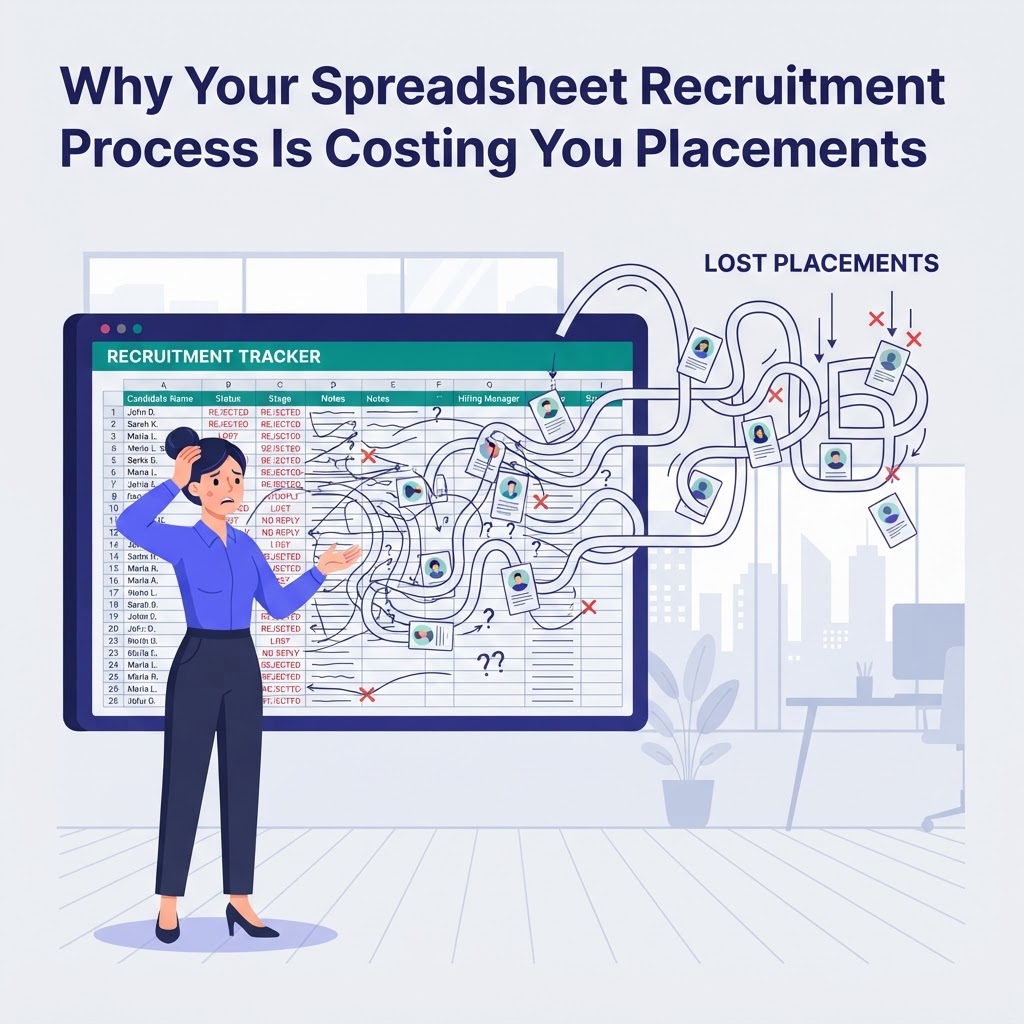
Every recruiter has thousands of lost contacts sitting in spreadsheets or old files. This is 'dark data'—potential hires you have already paid to find but have since forgotten. A proactive pipeline strategy includes a quarterly audit of your CRM. Take those 'lost' candidates and re-engage them with a personalized 'reconnection' campaign. Ask about their current projects and update their profile status. RecruiterCRMFlow makes this audit simple by surfacing profiles that haven't been contacted in over six months, essentially mining gold from your existing database and reducing your reliance on expensive job boards.
Building a talent pipeline is a marathon, not a sprint. It requires a fundamental shift from treating candidates as transaction-based leads to treating them as long-term professional relationships. By implementing the right categorization, utilizing smart automation, and consistently nurturing your contacts within a platform like RecruiterCRMFlow, you turn your database into a competitive advantage that ensures your pipeline never runs dry.