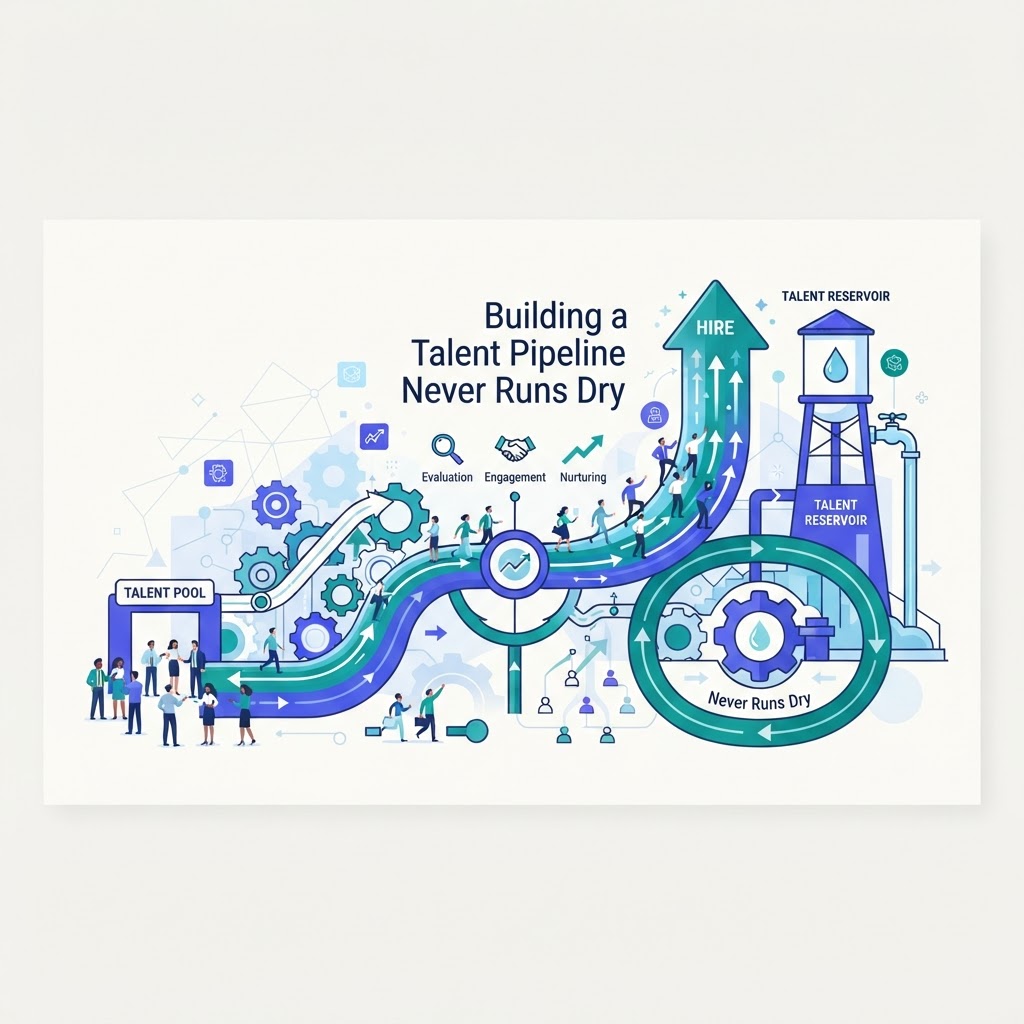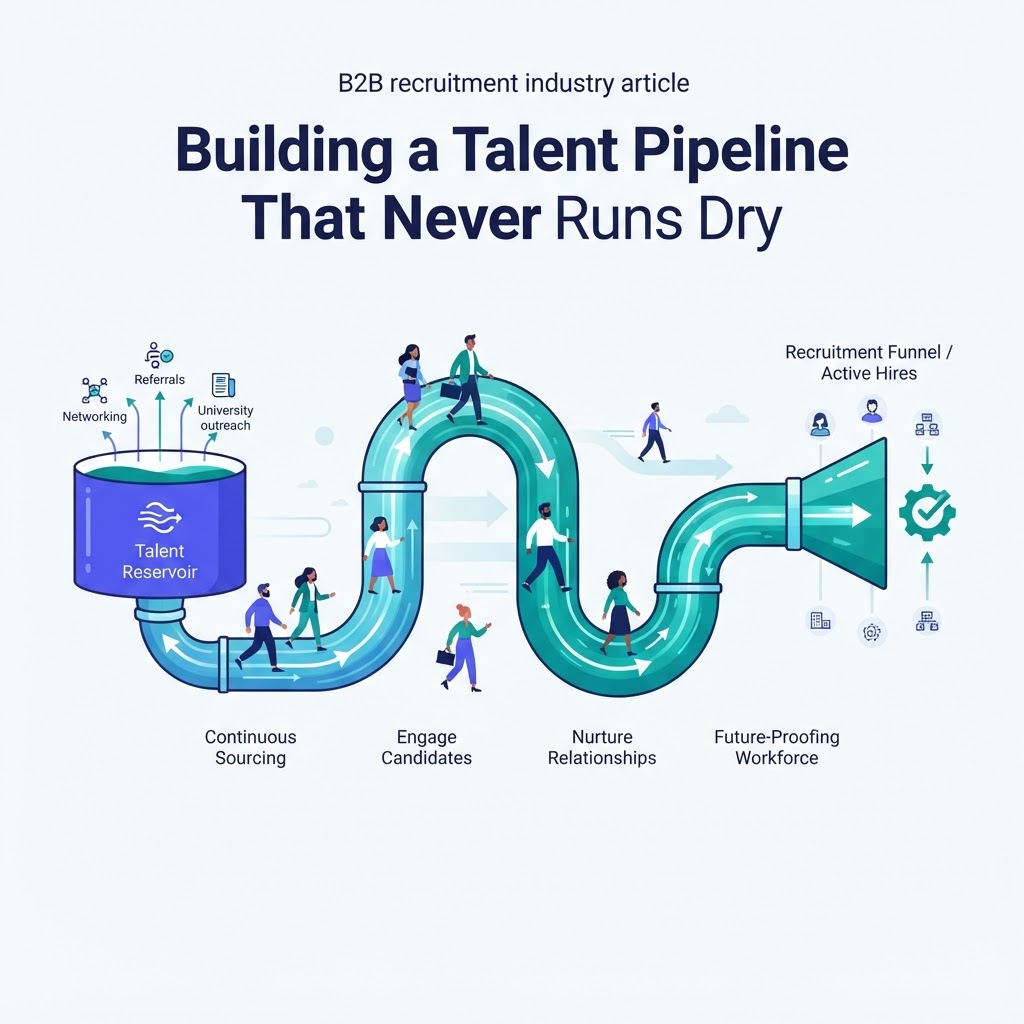
In the fast-paced world of modern recruiting, waiting for a vacancy to open before you start hunting for candidates is a recipe for missed targets and budget overruns. Top-tier recruiters understand that the most successful placements come from long-term relationships nurtured well before an offer letter is ever drafted. Building a talent pipeline that never runs dry requires moving away from reactive job posting and toward a proactive ecosystem of talent pools.
Shift from Sourcing to Relationship Management
The fundamental flaw in many hiring strategies is the "transactional mindset." Recruiters often view a candidate as a one-time commodity to fill a specific requisition. To build an infinite pipeline, you must view every interaction as a touchpoint in a long-term journey. By using a robust platform like RecruiterCRMFlow, you can track these interactions, ensuring that when a candidate isn't a fit today, they remain in your sphere of influence for tomorrow. Instead of losing touch, you should categorize these professionals into talent pools based on skill sets, industry interest, or potential future seniority.
Segmenting Your Talent Pools Effectively
Not every candidate in your network belongs in the same bucket. Effective pipeline management relies on granular segmentation. You should divide your database into specific categories such as "Passive Executive Talent," "High-Potential Juniors," or "Project-Based Contractors." By grouping candidates in RecruiterCRMFlow, you can send tailored content—such as company culture updates or relevant industry news—that keeps your agency top-of-mind without cluttering their inbox with irrelevant job alerts. This level of personalization increases response rates by up to 30% when you finally reach out with a specific role.
Automating the Nurture Sequence
Manual follow-ups are the primary cause of pipeline decay. Recruiters often get busy, forget to reach out, and months later, find their previous connections have moved to competitors. Automation is the antidote to this lost time. Set up automated sequences that prompt you to check in with key candidates every 90 days. These reminders ensure that no contact goes cold. Whether it is a simple "how is your project going?" message or an automated newsletter, consistency builds the trust required for a candidate to choose your agency when they are finally ready to make a career move.
The Cost of Lost Data and Contacts
One of the most overlooked metrics in recruitment is the "cost of lost connection." Every time a candidate drifts away because your spreadsheet is outdated or your email history is fragmented, you lose an asset you already paid to acquire. RecruiterCRMFlow acts as your institutional memory. By keeping all communication history, notes, and profile updates in one centralized hub, you eliminate the "re-hiring" cost of having to source the same person from scratch. If you are not logging every conversation, you are essentially deleting your own revenue pipeline.
Measuring Pipeline Health
To build a pipeline that never runs dry, you must track it like a sales funnel. Monitor your "time-to-fill" and "source-of-hire" metrics to see which talent pools are yielding the highest return. If your passive candidate pool is growing but not converting, you may need to adjust your outreach strategy. Use the reporting features in RecruiterCRMFlow to identify bottlenecks. Are candidates dropping out at the initial screen or the final interview? By analyzing these data points, you can refine your approach in real-time, ensuring your pipeline is not just large, but high-quality.
Conclusion: Investing in Future Growth
Building an infinite talent pipeline is an investment in your agency's longevity. By moving away from reactive, fragmented workflows and adopting a centralized CRM strategy, you transform your recruitment process from a series of stressful fires to a predictable, scalable engine for growth. Start by auditing your current database, cleaning your records, and committing to a consistent nurture strategy. Your future placements depend on the work you do today.