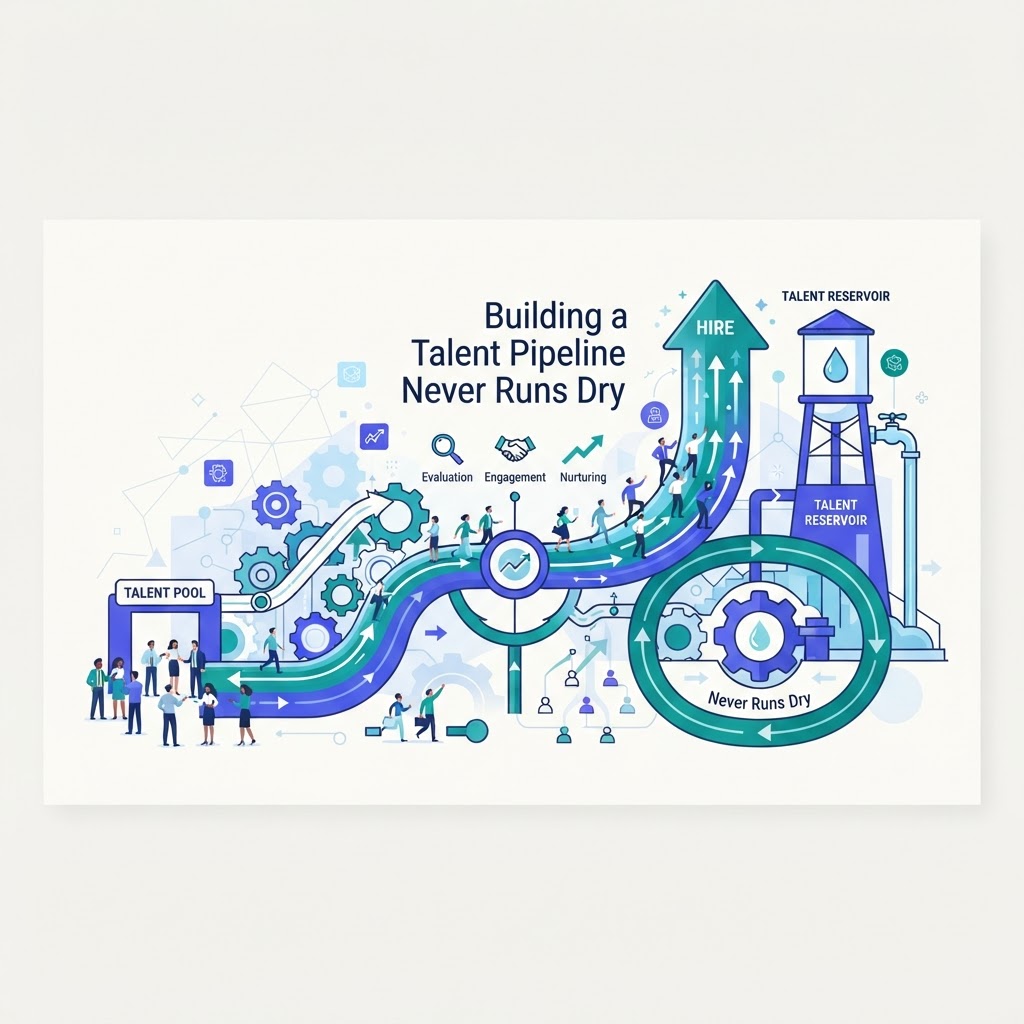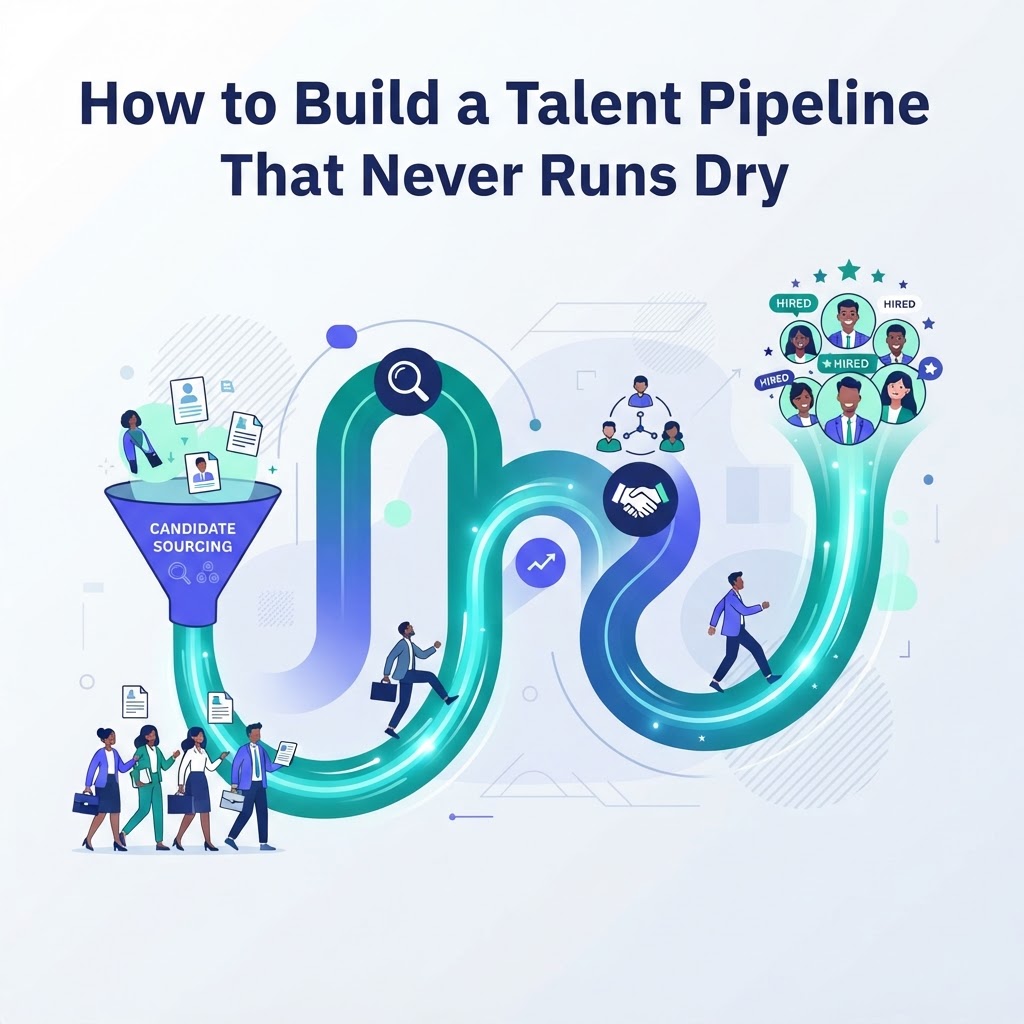
In today’s competitive labor market, the traditional 'post-and-pray' recruiting model is effectively dead. Recruiters who wait for a vacancy to appear before searching for talent are already weeks behind their competition. To maintain a competitive edge, high-performing agencies must shift toward a proactive talent pipeline strategy. This approach treats recruitment not as a series of isolated events, but as a continuous cycle of relationship management.
The Strategic Shift from Reactivity to Proactivity
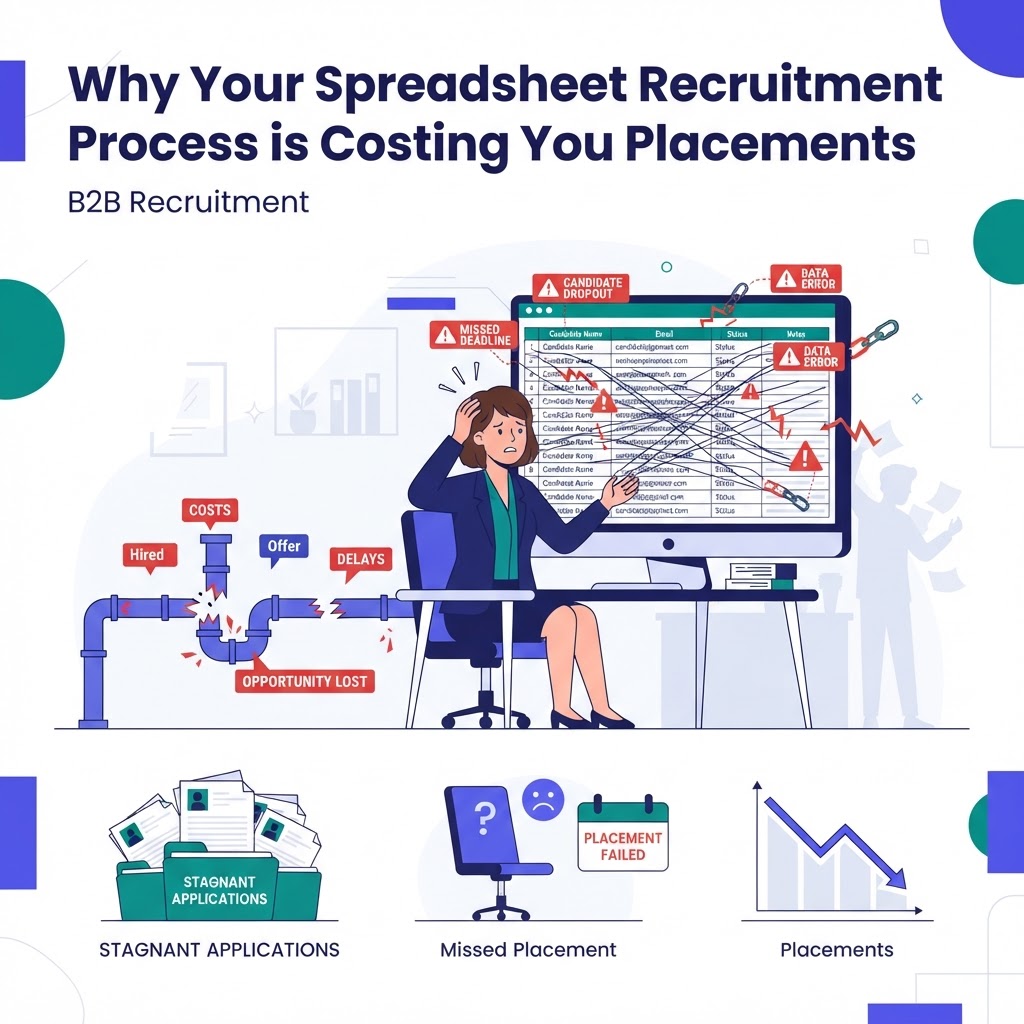
A proactive pipeline means you are cultivating relationships with potential candidates long before they are ready to jump ship. When you engage with passive talent consistently, you build trust. This is the difference between cold-calling a developer who has never heard of you and reaching out to a contact you have nurtured for six months. The core of this strategy relies on maintaining visibility, which is impossible if your data is scattered across spreadsheets or buried in messy email threads. This is where RecruiterCRMFlow becomes essential, centralizing every interaction so you never lose track of a high-potential lead.
Centralizing Your Talent Pool in a CRM
The biggest failure in agency recruiting is 'data decay.' When a candidate is interviewed for a role but isn't hired, they are often forgotten. Within three months, the lack of touchpoints renders that contact cold. A CRM allows you to organize these contacts into dynamic segments. Instead of keeping a flat list, you should tag candidates by industry, skill level, and 'ready-to-move' status. By using a platform like RecruiterCRMFlow, you can set automated reminders to check in with top-tier talent every 90 days. This keeps you top-of-mind, ensuring that when the client calls with an urgent role, you have a warm pool of talent ready to activate.
Data-Driven Nurture Sequences
Building a pipeline isn't just about collecting resumes; it's about adding value. Your nurture strategy should move beyond simple job alerts. Consider sharing industry trends, salary benchmarks, or career advice that speaks to the candidate’s professional growth. When you automate these workflows, your agency gains a significant efficiency boost. For instance, you can trigger a personalized email series that delivers content relevant to specific roles. If a candidate in your pipeline clicks a link to an article on 'The Future of AI in Fintech,' RecruiterCRMFlow logs that engagement, signaling that this candidate is actively researching their field—a perfect time for you to reach out for a casual catch-up.
Measuring Pipeline Health and Conversion
You cannot improve what you do not measure. To ensure your pipeline never runs dry, you need to track key metrics that indicate future health:
- Pipeline Velocity: The time it takes for a candidate to move from initial contact to placement.
- Candidate Engagement Rate: The percentage of your database that interacts with your content or replies to your messages.
- Source Quality: Which channels (LinkedIn, referrals, job boards) are bringing in the highest ratio of placed candidates.
If you see your engagement rate dropping below 15%, it is a clear indicator that your messaging is stale. Without the robust reporting features found in a dedicated platform like RecruiterCRMFlow, pinpointing these bottlenecks is nearly impossible, leaving you guessing why your pipeline feels stagnant.
Building a Sustainable Culture of Networking
Ultimately, a talent pipeline is a reflection of your agency’s culture of persistence. Make it a daily ritual to add at least three new high-quality profiles to your database. Use LinkedIn, industry events, and referrals to fuel the top of the funnel. When these contacts land in your CRM, they shouldn't sit dormant. Use the time-saving features of RecruiterCRMFlow to standardize your outreach process so that your team spends less time hunting for contact info and more time having meaningful, career-defining conversations. By turning your CRM into a repository of relationships rather than just a database of files, you transform your recruiting process from a reactive chore into a powerful, automated engine for growth.