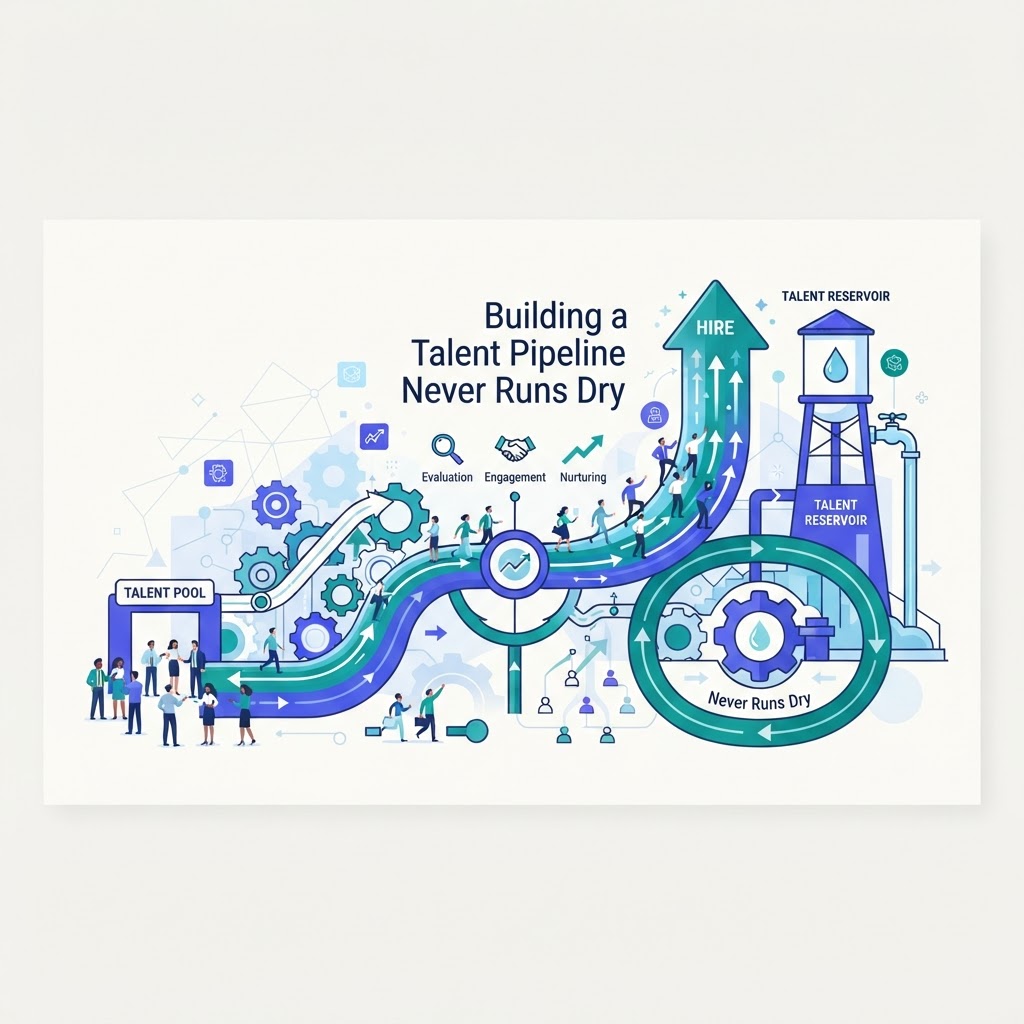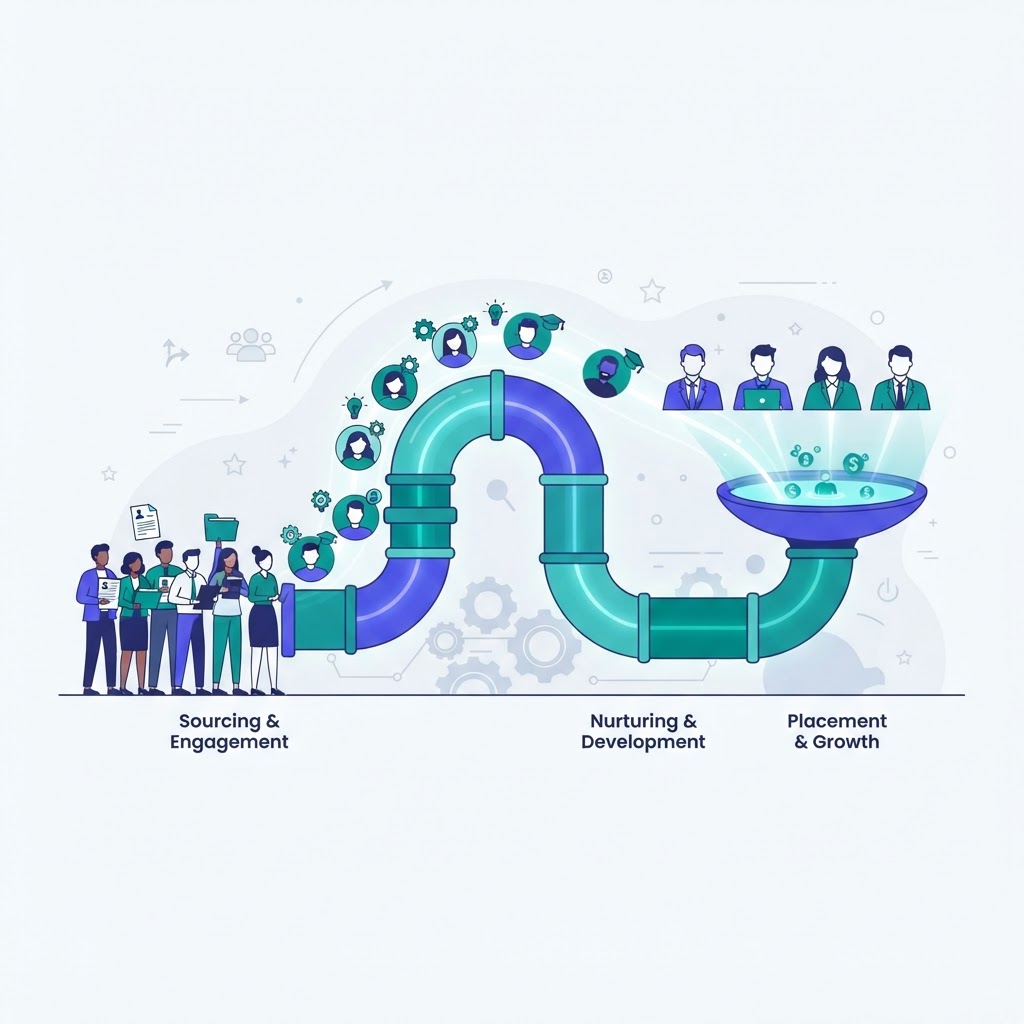
In today’s hyper-competitive job market, relying on reactive recruiting is a recipe for stagnation. When a high-priority requisition lands on your desk, you cannot afford to start from zero. The most successful recruiters operate like marketers: they build awareness, nurture relationships, and maintain a constant flow of qualified leads into their pipeline. A talent pipeline that never runs dry is not a result of luck; it is a product of consistent engagement and centralized data management.
Shift from Reactive Hiring to Proactive Pooling
Reactive hiring occurs when a recruiter waits for a job opening to be posted before searching for candidates. This leads to desperation and higher costs-per-hire. Proactive pooling, by contrast, involves identifying top-tier talent in your niche long before you have an opening. By engaging with passive candidates early, you build a bench of talent that is already familiar with your agency’s reputation and value proposition. Start by segmenting your talent pool based on skill sets, seniority, and industry focus. This ensures that when an opportunity arises, you aren't searching through cold databases, but tapping into a warm network of professionals you have already vetted.
The Role of a Recruiting CRM as Your System of Record
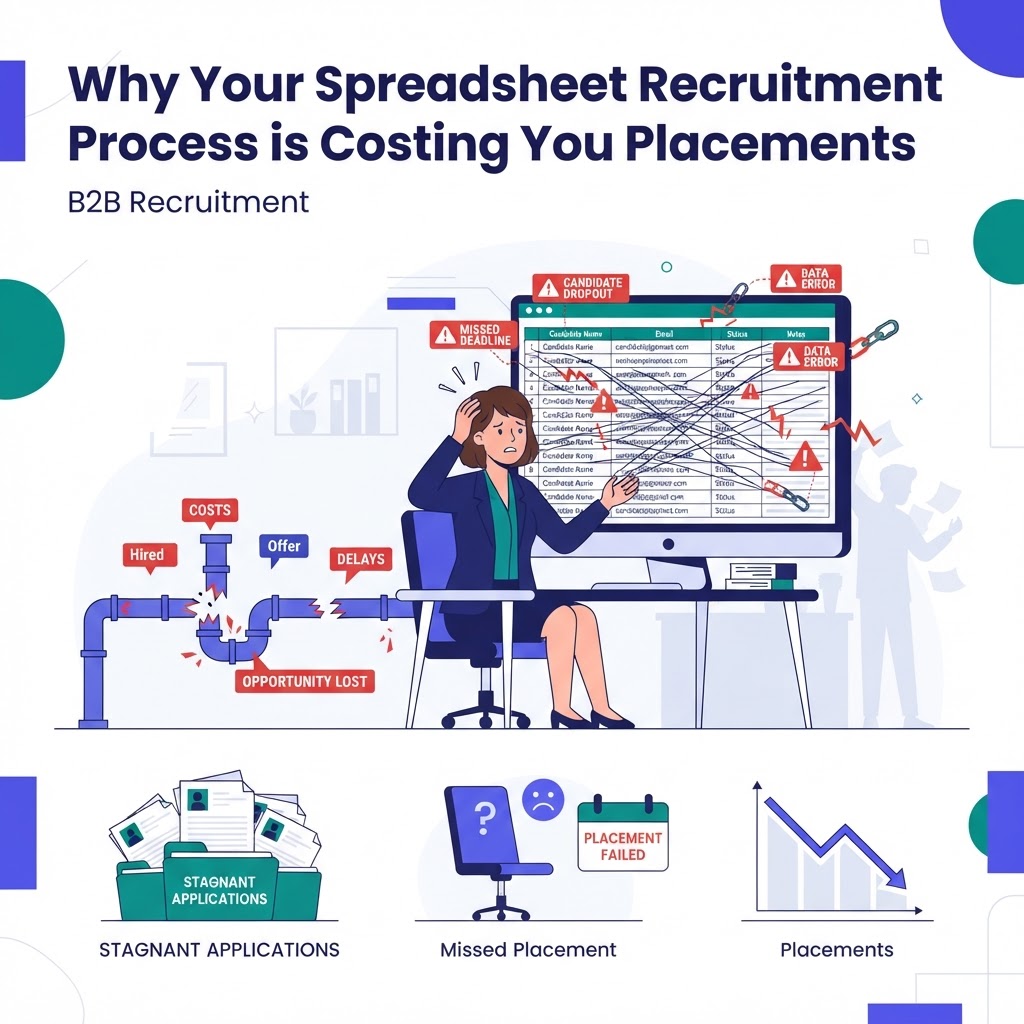
Managing hundreds of candidate relationships manually in spreadsheets is where most recruiting efforts collapse. Spreadsheets don't remind you to follow up, and they certainly don't track engagement history. This is where RecruiterCRMFlow becomes an essential asset. A dedicated recruiting CRM acts as your central nervous system, ensuring that no candidate is forgotten. Without a CRM, talent often falls through the cracks—a candidate you spoke to six months ago for a marketing role might be the perfect match for a product role today, but if that data isn't easily searchable and updated, you lose that opportunity. A CRM turns your historical data into a goldmine of future placements.
Automate Nurture Campaigns to Keep Talent Warm
One of the biggest mistakes in recruitment is the "ghosting" cycle, where a candidate is contacted once and then never heard from again. Building a sustainable pipeline requires consistent communication. Using automation within your CRM, you can set up drip campaigns that share relevant industry insights, company culture updates, or market trends with your talent pool. By staying top-of-mind with high-quality content, you ensure that when these candidates are finally ready to make a move, your agency is the first firm they call. For example, a monthly update on salary trends or remote work developments can keep your candidates engaged without requiring hours of manual outreach.
Leverage Data to Improve Conversion Rates
To build a pipeline that truly never runs dry, you must measure the health of your candidate flow. If you have 500 candidates in your pool but only 2% move to the interview stage, your pipeline is clogged with stale data. Use your CRM to track key metrics such as:
-
Response rates to outreach emails
-
Time taken to move candidates through talent stages
-
Source quality, determining which channels yield the highest-placed candidates
-
Candidate engagement scores, identifying who is most likely to respond to a new opportunity
By focusing on these numbers, you can prune inactive contacts and double down on the sourcing channels that actually deliver results, drastically reducing your administrative burden.
The Power of Re-engaging Your 'Lost' Talent
Every recruiter has a folder full of candidates who were once strong contenders but didn't land the job at the time. Too often, these contacts are treated as dead ends. In reality, they are your most valuable resource. They have already passed your initial screening and have been vetted by your process. RecruiterCRMFlow enables you to tag these individuals specifically, allowing you to periodically re-engage them. Simply reaching out to a past silver-medalist candidate to see how their career has progressed can turn a "rejected" file into a successful placement six months down the line. Never let a qualified professional become a lost contact; a CRM keeps that relationship active in perpetuity.
Building an infinite talent pipeline is an iterative process that blends technology with human empathy. By moving away from disconnected spreadsheets and into a centralized, automated CRM environment, you convert your recruiting process from a series of frantic, isolated tasks into a predictable, high-performing engine. Start today by organizing your existing database, automating your touchpoints, and viewing every past interaction as the foundation for your next placement.