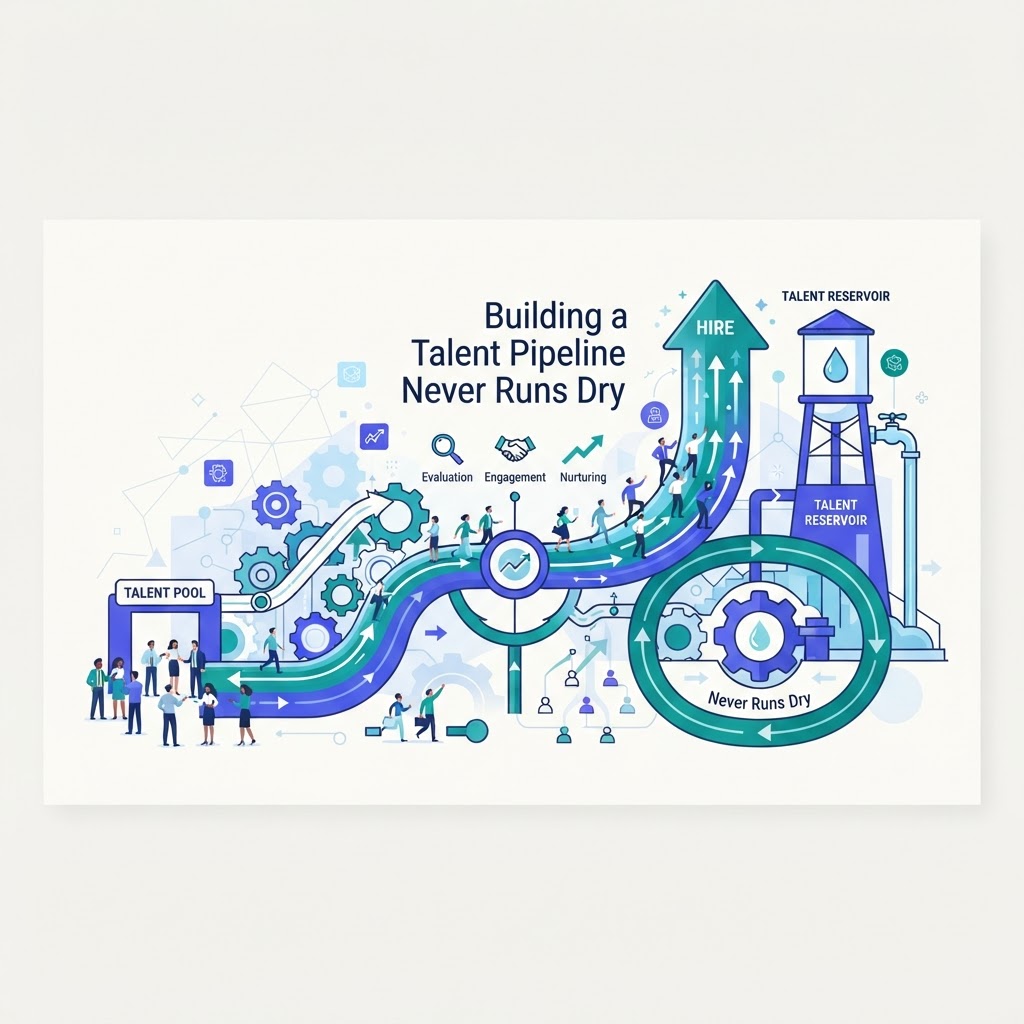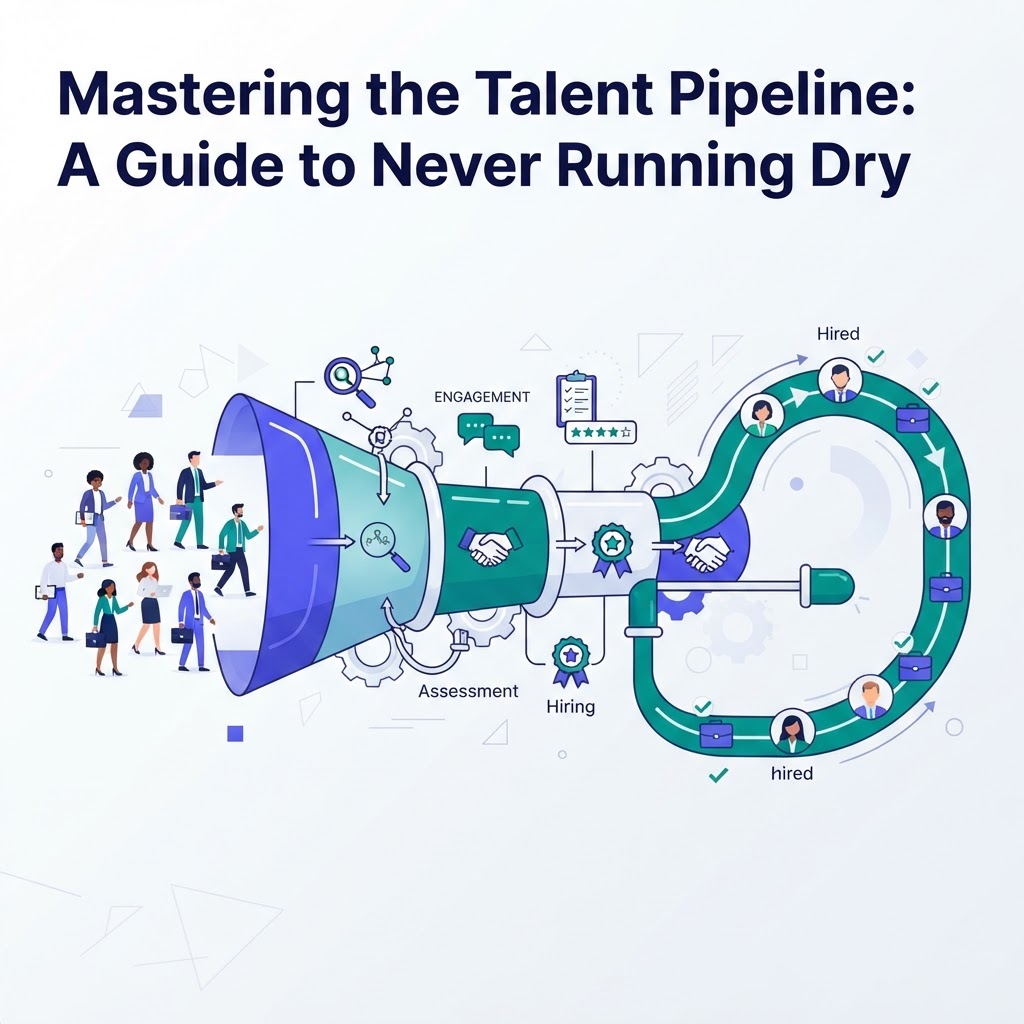
In today’s volatile labor market, the traditional 'post-and-pray' method of recruitment is effectively dead. Top-tier candidates are rarely actively looking for work, and waiting for an application to hit your inbox means you are already behind your competitors. Building a talent pipeline that never runs dry requires a fundamental shift from reactive hiring to proactive relationship management. By treating potential hires like leads in a marketing funnel, you can ensure that when a role opens, you have a qualified shortlist ready to engage immediately.
The Strategic Shift to Proactive Sourcing
Proactive pipeline building is about engagement before the vacancy exists. Start by identifying your organization's repeat roles—such as software engineers, sales account executives, or project managers. For these positions, you should never have to start a search from scratch. Instead, dedicate 20% of your recruitment team’s weekly hours to 'passive outreach.' This involves identifying potential candidates on platforms like LinkedIn or GitHub and initiating a conversation simply to understand their career trajectory. The goal here is not to force a placement today, but to plant a seed for six or twelve months down the road. When you consistently feed your top-of-funnel with passive prospects, you drastically reduce your time-to-hire when a critical vacancy inevitably strikes.
Leveraging CRM Technology to Prevent Talent Leakage
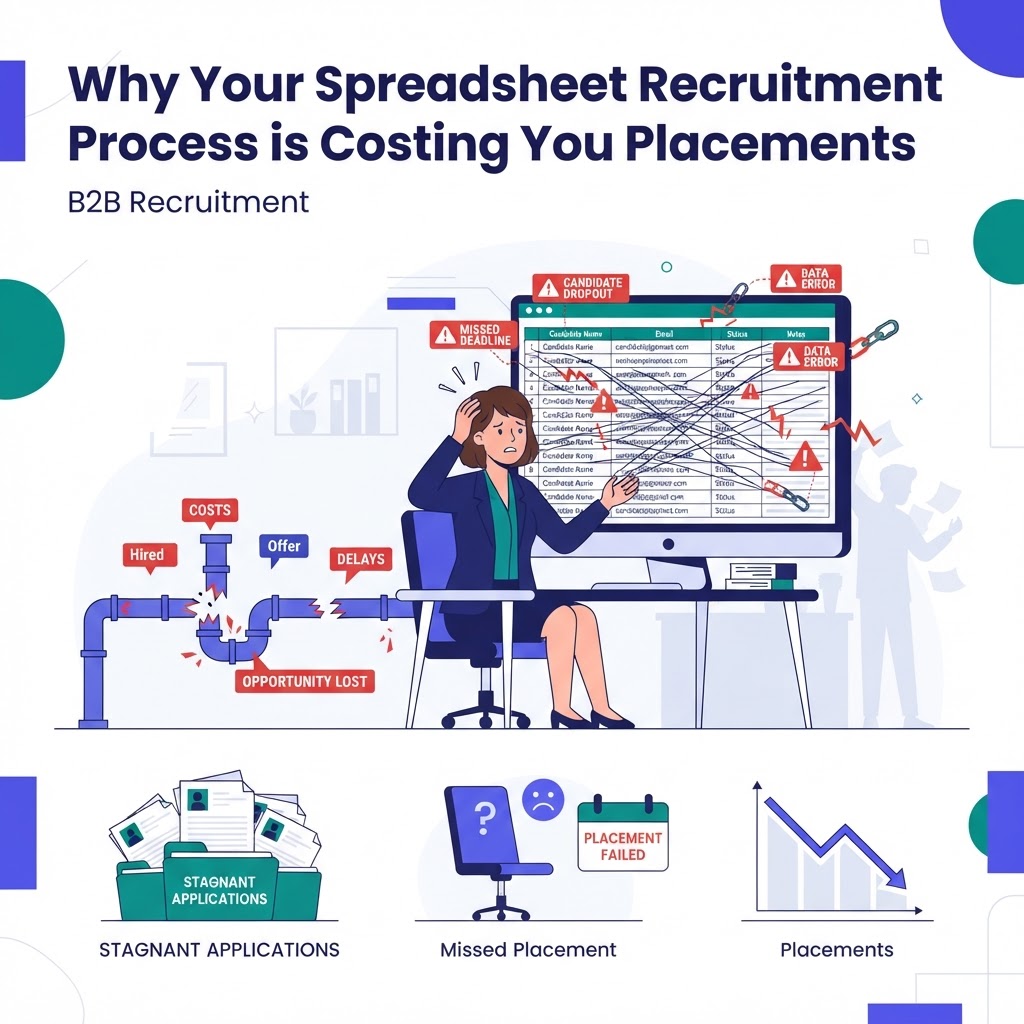
One of the most common failures in recruitment is the 'black hole' effect—where great candidates are contacted, interviewed, or sourced, but then forgotten because there was no active role for them at the time. Over a year, agencies can lose thousands of dollars in potential placements because contact information goes stale or relationship history is lost. This is where a dedicated system like RecruiterCRMFlow becomes essential. By centralizing all candidate interactions into a robust CRM, you ensure that every conversation, email thread, and note is accessible to your entire team. A CRM prevents the embarrassment of reaching out to a candidate who was already rejected or currently in an active interview process, and more importantly, it allows you to automate follow-up reminders to keep 'warm' leads engaged over time.
Segmentation for Targeted Nurture Campaigns
Not all talent in your pipeline is created equal. To maintain an effective pool, you must segment your contacts based on skill sets, seniority, and geographic location. Instead of sending generic newsletters to your entire database, use your recruitment platform to trigger personalized campaigns. For example, if you have a cohort of marketing managers, send them an insightful article about trends in digital acquisition every quarter. These touchpoints keep your brand top-of-mind. When they eventually decide to move, you will be the first firm they reach out to. With RecruiterCRMFlow, you can tag candidates with custom attributes, making it effortless to pull a high-intent list in seconds rather than hours of spreadsheet manual labor.
Metrics That Drive Pipeline Velocity
If you aren't measuring your pipeline, you aren't managing it. To truly understand the health of your talent pools, focus on these three critical KPIs:
- Pipeline Conversion Rate: The percentage of candidates moved from 'nurture' to 'interview' stage.
- Source Quality: Which channels (referrals, social, events) yield the most hires.
- Time to Re-engage: How long it takes to convert a passive contact into an active applicant.
If your conversion rate is low, your messaging is likely off-target. If your time to re-engage is climbing, your nurture cadence is likely too infrequent. By using data visualization within your CRM, you can identify exactly where your process bottlenecks exist and refine your strategy based on hard numbers rather than intuition.
Building a Sustainable Relationship Culture
Ultimately, a talent pipeline is a community, not a spreadsheet. Building a lasting relationship requires transparency and value. Be honest about current hiring needs, provide feedback even when you don't have a role, and assist candidates with their own networking when possible. When you position yourself as a career consultant rather than just a recruiter, you create brand advocates who will refer others to you. RecruiterCRMFlow supports this culture by allowing you to easily track 'referral sources' and ensuring that your interactions remain professional and timely. Remember, candidates talk. If you provide a positive experience to those not hired, your reputation will grow, eventually making your pipeline self-sustaining through inbound referrals.
Conclusion
A dry pipeline is usually the result of organizational silos and manual tracking methods. By integrating a proactive mindset with the right automation tools like RecruiterCRMFlow, you can transform your recruitment process from a series of disjointed tasks into a streamlined, evergreen engine. Start by cleaning up your existing database, segmenting your top talent, and implementing a consistent nurture cadence today. Your future self—and your future hiring managers—will thank you.