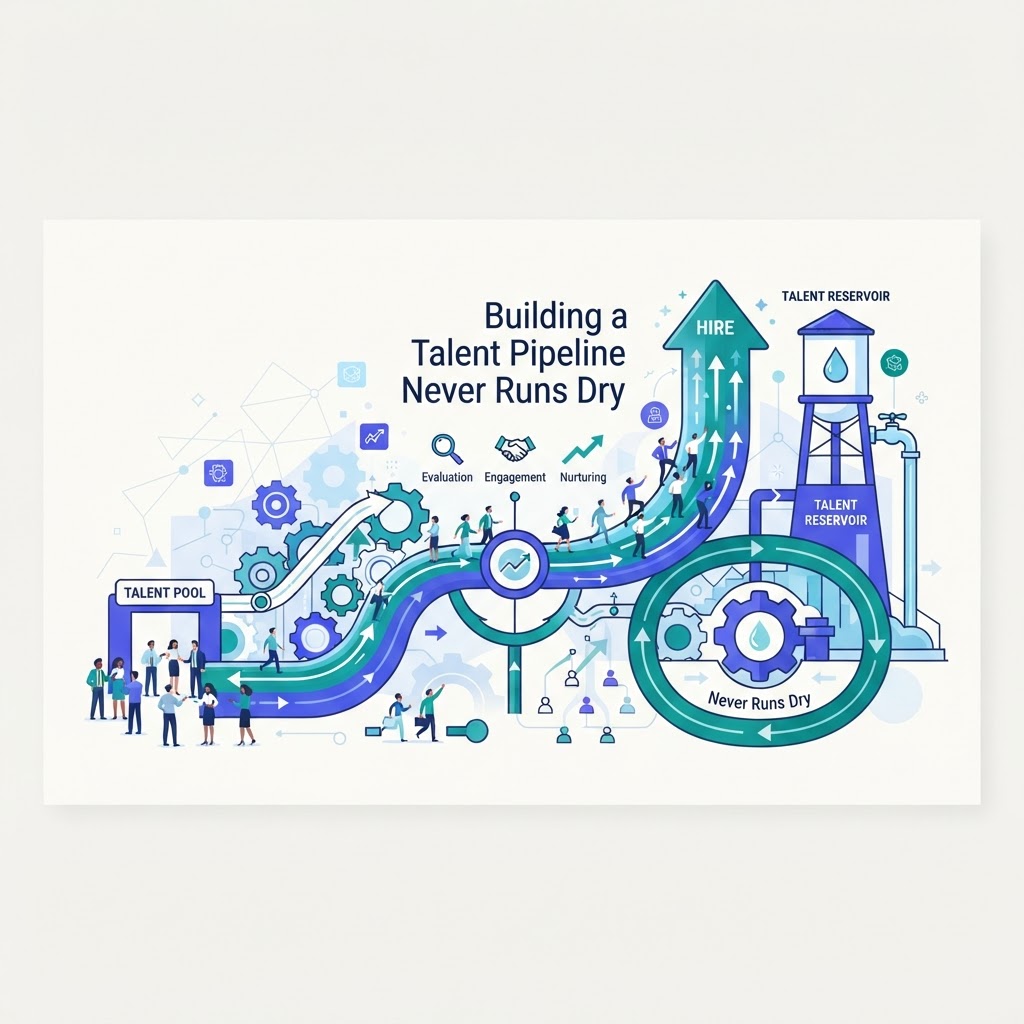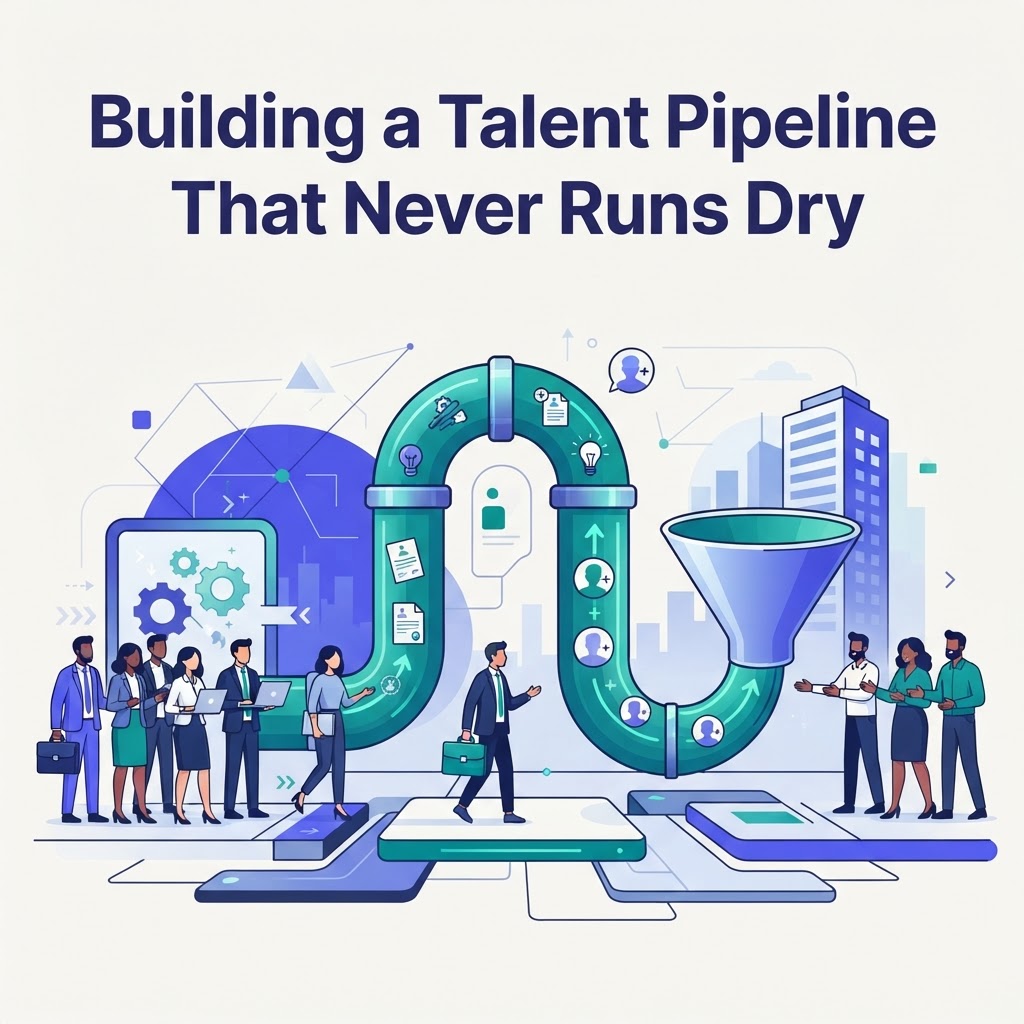
In today's competitive job market, relying solely on reactive hiring – posting a job and waiting for applications – is a recipe for longfill times and missed opportunities. The secret to consistent, high-quality hiring lies in building a talent pipeline that's always full. This means shifting from a crisis-driven approach to a proactive strategy focused on identifying, engaging, and nurturing potential candidates long before a specific role opens up. A well-maintained talent pipeline is your organization's strategic advantage, ensuring you can move quickly and effectively when hiring needs arise.
The Cost of an Empty Pipeline
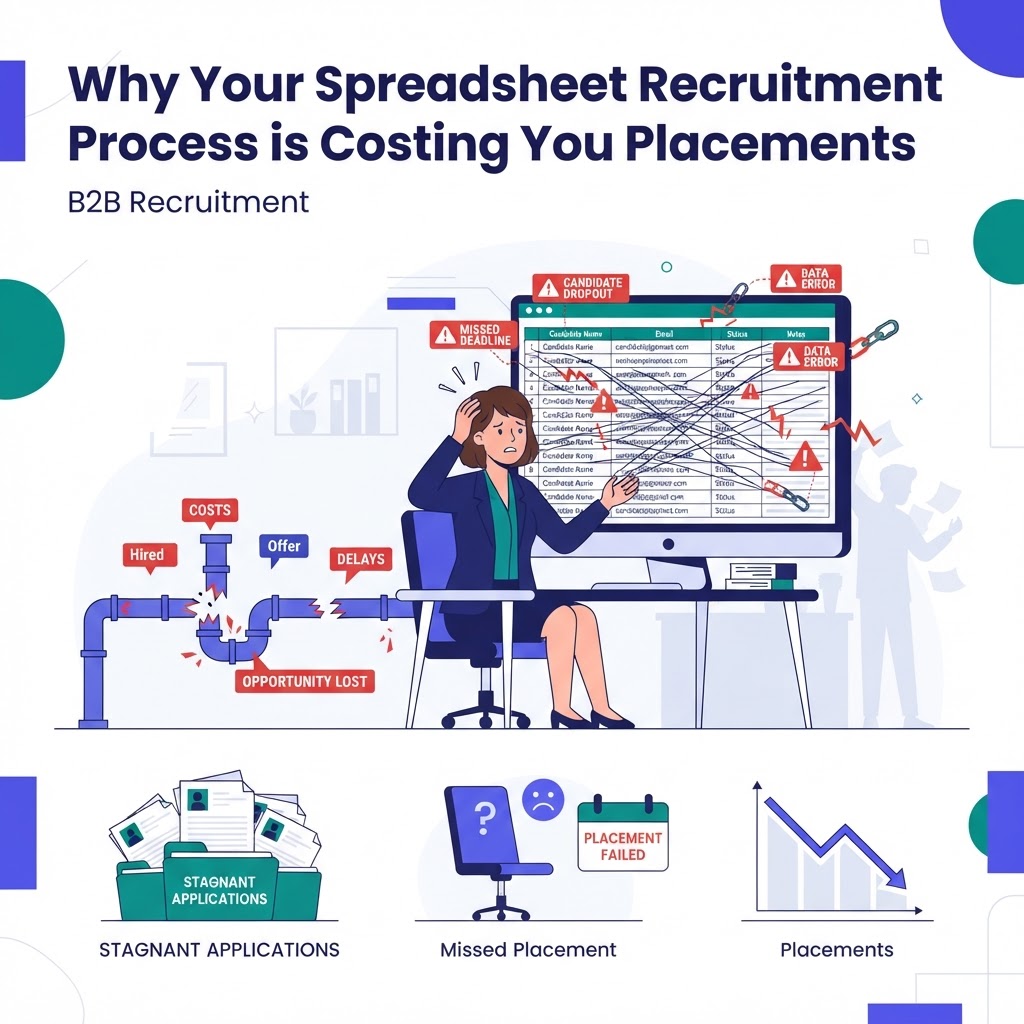
The consequences of an insufficient talent pipeline are significant. Imagine needing to fill a critical engineering role and finding no qualified candidates readily available. This can lead to:
- Extended Time-to-Hire: A study by SHRM found that the average time to fill a position can be 36 days, but this can skyrocket for specialized roles with a limited talent pool. Every extra week a position remains open can cost a company an average of 1-2% of the employee's annual salary in lost productivity and benefits.
- Compromised Quality: Desperation can lead to hiring the 'good enough' candidate rather than the best candidate, impacting team performance and increasing future turnover.
- Increased Hiring Costs: Rushed recruitment often involves higher agency fees or premium job board postings, inflating your cost-per-hire.
- Lost Revenue/Opportunity: For revenue-generating roles or critical project positions, delays can mean directly lost business or stalled innovation.
Without a system to track potential candidates, valuable contacts made at networking events, through referrals, or from past applications can easily get lost in spreadsheets or forgotten emails. This is where a dedicated recruiting CRM becomes indispensable.
Proactive Pipeline Building: The Foundation
Proactive pipeline building is about continuous engagement, not just transactional hiring. It involves consistently identifying individuals who possess the skills, experience, and cultural fit your organization values, even when you don't have an immediate opening.
Key Strategies for Proactive Pipeline Building:
- Identify Target Profiles: Define the 'ideal candidate' for roles that are frequently hired or critical to your business. Document required skills, experience levels, certifications, and even preferred industry backgrounds.
- Map Your Market: Understand where these individuals currently work and what motivates them. Research industry trends, competitor hiring patterns, and relevant professional communities.
- Source Continuously: Don't wait for a job requisition. Regularly explore platforms like LinkedIn, industry-specific job boards, professional associations, and alumni networks. Attend virtual and in-person industry events.
- Build Relationships: Focus on establishing genuine connections. This isn't about sending a generic message; it's about understanding candidate career aspirations and offering value, even if it's just industry insights or advice.
Leveraging Talent Pools for Strategic Hiring
Talent pools are curated collections of potential candidates who have expressed interest in your company or possess skills relevant to your future needs. They are the heart of a healthy talent pipeline.
Creating and Managing Effective Talent Pools:
- Categorize Your Pools: Create pools based on function (e.g., 'Software Engineers,' 'Sales Professionals'), seniority level ('Junior Developers,' 'Senior Managers'), or even specific technologies ('React Developers,' 'AWS Specialists').
- Populate from Multiple Sources: Candidates can enter your talent pools through various channels:
- Past Applicants: Individuals who applied for previous roles but weren't selected can be valuable if their skills remain relevant.
- Referrals: Encourage employees to refer candidates for future needs, not just immediate openings.
- Networking Events: Contacts made at conferences or meetups.
- Proactive Sourcing: Individuals identified through market mapping and outreach.
- University Relations: Students and recent graduates for early-career programs.
- Engage and Nurture: Regularly communicate with your talent pools. Share company news, industry insights, relevant blog posts, and information about upcoming events. This keeps your company top-of-mind and allows you to gauge ongoing interest.
The Role of a Recruiting CRM
Managing multiple talent pools, tracking candidate interactions, and maintaining engagement across hundreds or thousands of individuals is impossible with spreadsheets and disparate notes. This is precisely where a recruiting CRM like RecruiterCRMFlow shines.
How RecruiterCRMFlow Powers Your Pipeline:
- Centralized Candidate Database: Stores all candidate information, contact history, skills, experience, and status in one accessible location. No more lost contacts or duplicated efforts.
- Intelligent Talent Pooling: Easily segment and tag candidates to create dynamic talent pools based on any criteria. This allows for targeted outreach when specific skills are needed.
- Automated Workflows: Set up automated email sequences to nurture candidates in your talent pools, send event invitations, or follow up after initial contact. Save countless hours on manual communication.
- Communication Tracking: Log every email, call, and interaction with a candidate. This provides a 360-degree view of your relationship, preventing awkward missteps and ensuring consistent messaging.
- Analytics and Reporting: Gain insights into pipeline health, source effectiveness, and candidate engagement metrics. Identify bottlenecks and areas for improvement.
- Seamless ATS Integration: Connect your CRM with your Applicant Tracking System (ATS) to ensure a smooth transition from pipeline engagement to active application management.
Imagine needing to fill a senior Java developer role. With RecruiterCRMFlow, you could instantly filter your 'Java Developers' talent pool, identify individuals who have been active in the last six months, and send them a personalized email about the new opportunity – all within minutes. This agility is unachievable without a robust CRM.
Nurturing Relationships: The Long Game
Talent pipeline building isn't just about having names; it's about cultivating relationships. Candidates, especially top-tier talent, are often passive – they aren't actively looking but are open to the right opportunity presented in the right way.
- Personalize Your Outreach: Generic messages get ignored. Reference a candidate's specific skills, a project they worked on, or a shared connection.
- Offer Value: Share relevant articles, invite them to webinars, or provide insights into market trends. Position yourself as a trusted advisor.
- Be Transparent: Clearly communicate your company culture, career progression opportunities, and the specifics of any potential role.
- Seek Feedback: Ask candidates about their career goals and what they're looking for in their next role. This information is invaluable for future matching.
- Maintain Long-Term Engagement: Even if a candidate isn't a fit for a role today, they might be tomorrow. Continue to engage them periodically with relevant content and updates.
Measuring Pipeline Success
To ensure your efforts are effective, track key metrics:
- Pipeline Size: The total number of candidates in your various talent pools.
- Pipeline Diversity: Ensure your pools reflect a diverse range of backgrounds and experiences.
- Engagement Rate: Track open rates, click-through rates, and response rates on your communications.
- Conversion Rate: The percentage of candidates from your pipeline who are successfully hired.
- Time-to-Fill from Pipeline: Compare the time it takes to fill roles using pipeline candidates versus those found through reactive methods.
Regularly reviewing these metrics, often easily accessible through your recruiting CRM's reporting features, helps you refine your sourcing and engagement strategies.
Conclusion
Building a talent pipeline that never runs dry is an ongoing, strategic initiative, not a one-off task. By adopting a proactive approach, meticulously managing talent pools, and leveraging the power of a dedicated recruiting CRM like RecruiterCRMFlow, you can transform your hiring process. You'll move from constantly chasing candidates to having a rich, engaged talent community ready to fill your most critical roles, ensuring your organization maintains its competitive edge and achieves its growth objectives.