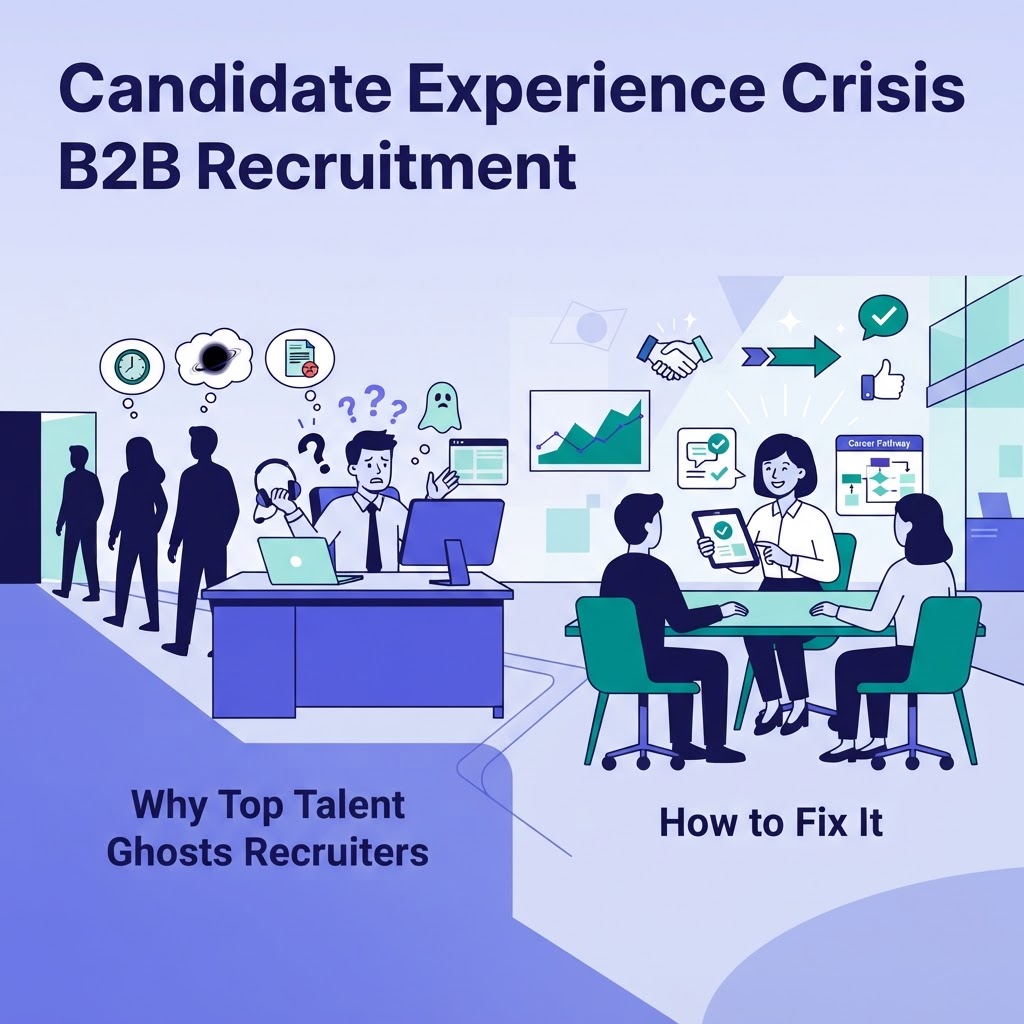
The modern recruitment landscape has shifted decisively in favor of the candidate. According to recent industry surveys, nearly 70% of candidates have ghosted a recruiter at some point during the hiring process. This phenomenon, where high-quality talent abruptly ceases communication, is not merely a sign of changing social etiquette; it is a symptom of a systemic candidate experience crisis. When recruiters fail to provide timely feedback or maintain consistent engagement, they lose trust and, ultimately, their best hires.
The Silent Exit: Understanding the Ghosting Epidemic
Ghosting often occurs because the recruitment process feels transactional and cold. When a candidate sends a resume into a "black hole" or waits weeks for an update, their emotional investment in the opportunity wanes. High-performing professionals are often juggling multiple interviews simultaneously; they will naturally prioritize the firm that communicates with transparency and respect. When recruiters fail to provide a "why" or a status update, candidates assume the worst—that they are not valued—and move on to companies that make them feel like a priority.
Identifying Communication Gaps in Your Workflow
Most ghosting incidents stem from predictable communication gaps. Recruiters often get bogged down in manual administrative tasks, leading to delayed emails and missed follow-ups. The "communication gap" is the time elapsed between a candidate's action (like submitting a skill test) and the recruiter's response. Research shows that if this gap exceeds 48 hours without a status update, candidate engagement drops by approximately 40%. Without a centralized system to track these touchpoints, recruiters inevitably drop the ball, leaving talented individuals feeling neglected.
The Role of RecruitingCRMFlow in Reclaiming Talent
This is where a dedicated CRM like RecruitingCRMFlow becomes essential. Unlike static spreadsheets or disjointed email accounts, a recruiting CRM creates a "source of truth" for every candidate relationship. By automating reminders and tracking every interaction, your team ensures that no candidate is left in the dark. With RecruitingCRMFlow, you can set up automated nurture sequences that keep candidates informed at every stage of the funnel, even when your team is occupied with other high-priority tasks.
Data-Driven Engagement Strategies
To effectively curb ghosting, you must treat candidate engagement like a marketing campaign. Use your CRM to segment your talent pools and send personalized, meaningful content rather than generic status updates. For example:
- Send "Did you know?" snippets about your company culture to keep candidates warm.
- Automate follow-ups after technical interviews to validate the candidate's effort.
- Provide clear timelines for the next steps so candidates know exactly what to expect.
By leveraging the analytics inside RecruitingCRMFlow, you can identify exactly when candidate sentiment dips and intervene with a personalized outreach email before the ghosting occurs.
Building a Feedback-First Culture
Transparency is the strongest antidote to ghosting. If a candidate is not a fit, tell them early and provide constructive feedback. If there is a delay in the hiring process, be honest about it. A candidate might be willing to wait for a dream job, but only if they know the reason for the wait. Implementing a standardized feedback loop through your ATS ensures that even rejection is handled with professional courtesy, which preserves your employer brand and keeps the door open for future opportunities.
Conclusion
Fixing the candidate experience crisis is not about working harder; it is about working smarter. By identifying communication gaps and utilizing powerful tools like RecruitingCRMFlow, you can transform your hiring process from a source of frustration into a competitive advantage. When candidates feel seen, heard, and valued, the ghosting stops, and your ability to secure top-tier talent accelerates.