The modern job market has shifted into a candidate-driven landscape where the speed and quality of interaction define success. Recent industry data suggests that nearly 60% of job seekers have abandoned an application or ghosted a recruiter due to a poor candidate experience. When top-tier talent suddenly stops responding, it is rarely because they lost interest in the role; it is almost always because the communication process felt neglected, impersonal, or disorganized.
The Anatomy of the Ghosting Phenomenon
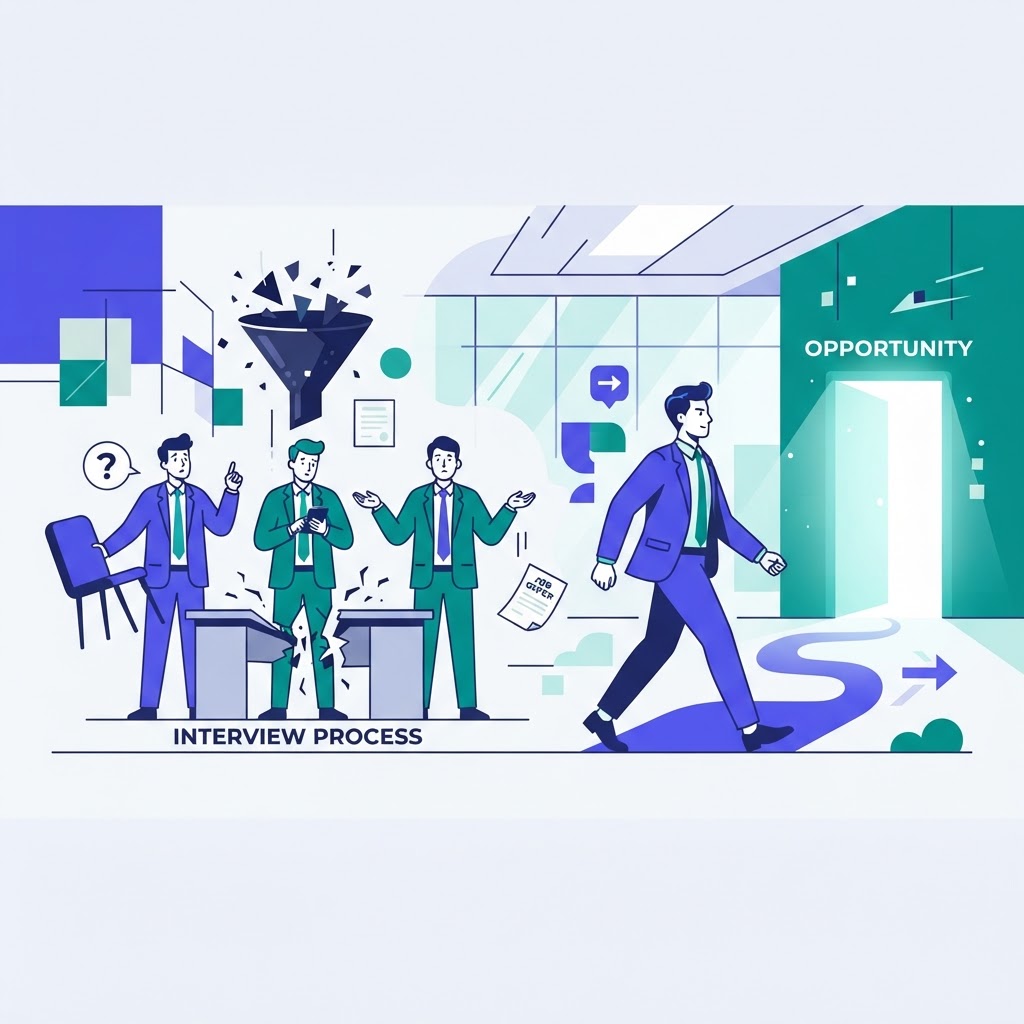
Ghosting occurs when the perceived value of the recruiter-candidate relationship drops below the effort required to maintain it. Candidates are often juggling multiple interviews and offers simultaneously. If your firm takes five days to respond to a simple status check, you have already lost momentum. Candidates interpret delays as a lack of professionalism or a sign that the company is disorganized. When communication gaps persist, candidates withdraw to protect their own time, gravitating toward recruiters who provide transparent, timely, and frequent updates.
The Cost of Manual Tracking Gaps
Many agencies still rely on scattered spreadsheets and disconnected email threads to manage their talent pipelines. This "analog" approach is the primary catalyst for the candidate experience crisis. When a recruiter cannot recall the last point of contact or misses a follow-up deadline because information is siloed, the candidate feels like just another number in a database. In a competitive market, this friction is fatal to your hiring pipeline. Without a centralized hub, you lose the ability to nurture passive talent, leading to long-term candidate attrition that directly impacts your agency’s bottom line.
Leveraging RecruiterCRMFlow to Close the Gap
To eliminate ghosting, you must standardize the candidate journey through automation and insight. RecruiterCRMFlow serves as the backbone of this strategy by providing a single source of truth for every interaction. By utilizing automated workflows, you can ensure that candidates receive acknowledgment emails the moment they apply, scheduled status updates during the screening process, and personalized check-ins after interviews. When your communication is proactive rather than reactive, you signal to the candidate that their career trajectory matters. This level of intentional engagement keeps candidates tethered to your agency even if a specific role doesn't align immediately.
Best Practices for Consistent Communication
Consistency is the antidote to ghosting. Implement these tactical shifts to stabilize your candidate pipeline:
- Establish a 24-hour response policy for all incoming candidate inquiries.
- Use CRM-triggered reminders to ensure no candidate goes more than three days without a status update.
- Personalize outreach by referencing previous conversation history stored within your ATS.
- Provide constructive, timely feedback after interviews, even if the answer is a rejection.
- Automate nurture sequences to keep your agency top-of-mind for passive talent over the long term.
Measuring Success Through Candidate Sentiment
Improving the candidate experience isn't just about "being nice"; it’s about measurable ROI. Agencies that implement CRM-driven engagement tools typically see a 30% reduction in time-to-hire and a significant increase in candidate satisfaction scores. When you use RecruiterCRMFlow to track engagement metrics—such as email open rates, response times, and candidate portal activity—you gain visibility into where your process is breaking down. By identifying these bottlenecks, you can refine your messaging, improve your outreach strategy, and ultimately convert more candidates who were once prone to drifting away.
Conclusion: Reclaiming Control of Your Talent Pipeline
Ghosting is a symptom of a systemic breakdown in communication, not a reflection of candidate interest. By shifting toward a tech-enabled strategy using a robust CRM like RecruiterCRMFlow, you can transform the candidate journey into a competitive advantage. When you prioritize transparency, speed, and personalized engagement, you build trust that keeps top talent coming back to you first. Stop guessing where your candidates went and start building a pipeline that communicates as efficiently as you do.