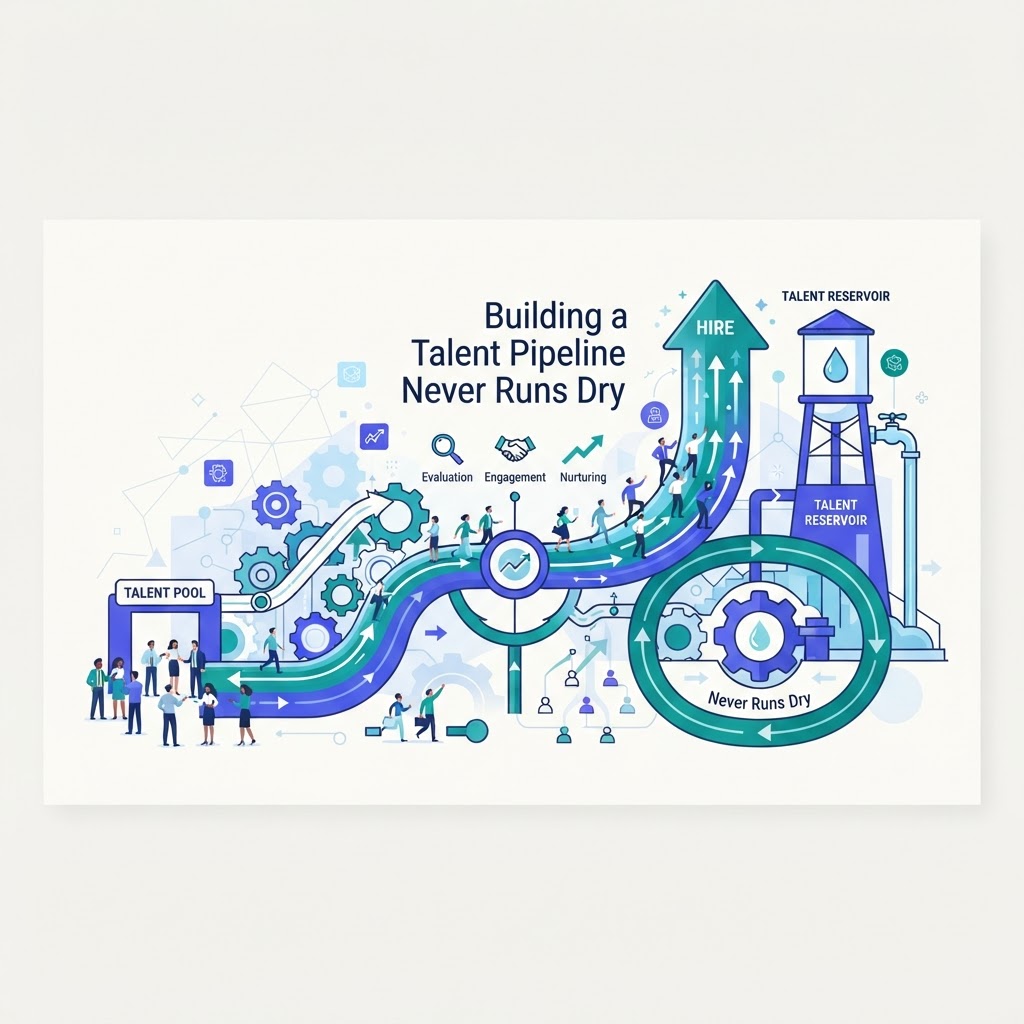
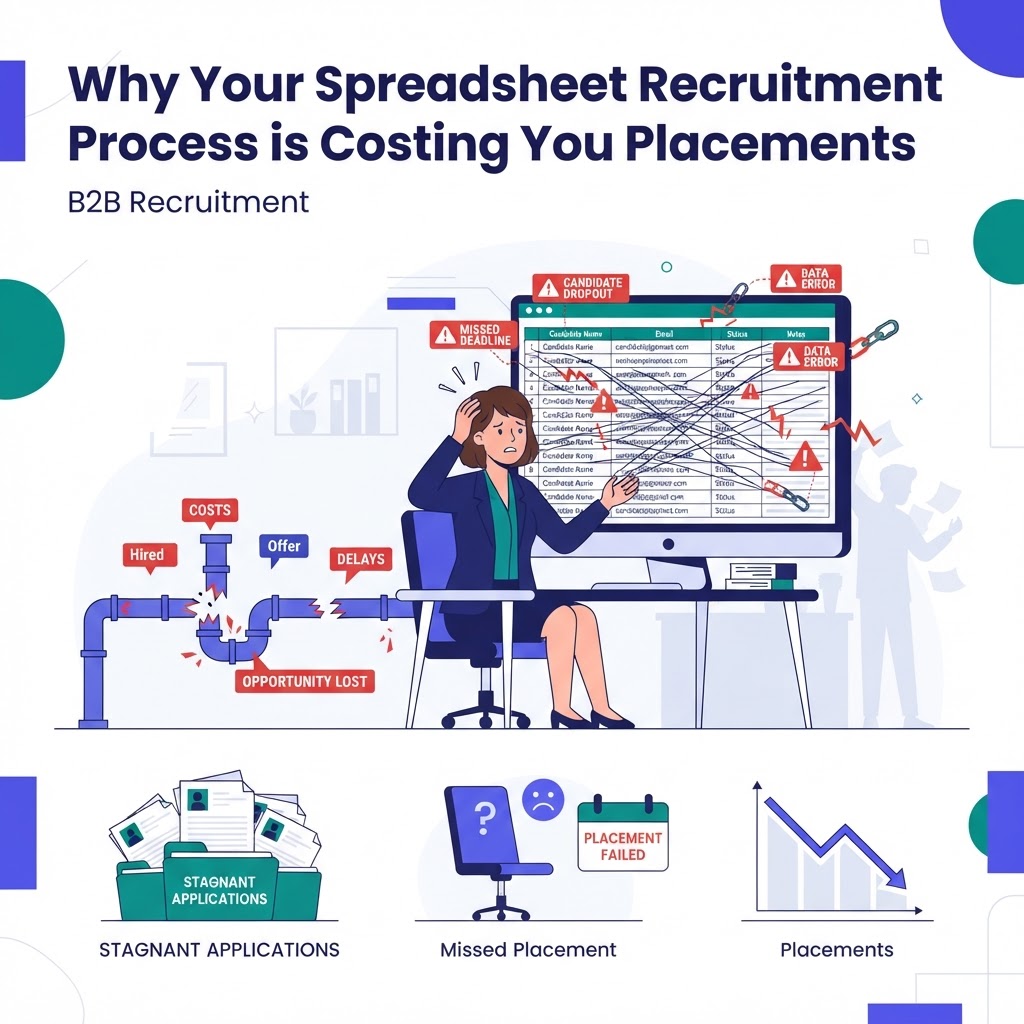
In today’s competitive talent landscape, your database is your most valuable business asset. If your candidate and client information is fragmented across emails, spreadsheets, and sticky notes, you are losing money every single day. Effective contact management in a recruiting CRM is not just about data storage; it is about building a living, breathing ecosystem where relationships are tracked, nurtured, and converted into placements.
The Foundation of Effective Contact Management in a Recruiting CRM
Contact management in a recruiting CRM begins with a clean data architecture. Most recruiters struggle because their database is riddled with duplicate entries and stale information. Industry data suggests that the average recruitment database degrades by 25% annually due to job changes and contact turnover. To combat this, you must implement a rigorous standardization protocol. Every entry should have mandatory fields for current company, title, industry vertical, and, most importantly, the last touchpoint date.
When you use a platform like RecruiterCRMFlow, automated enrichment features can help fill these gaps, ensuring your records stay updated without manual data entry. Standardization allows you to segment your audience effectively. If you cannot pull a report on 'Senior Java Developers in Austin' in under 30 seconds, your contact management strategy needs an immediate overhaul.
Implementing Tiered Contact Categorization
Not all contacts should be treated with the same level of intensity. To drive efficiency, categorize your contacts into three tiers: Tier A (Active/High-Value), Tier B (Nurture/Warm), and Tier C (Cold/Archive). Tier A contacts are those currently in a recruitment cycle or who represent your core client base. These records should be audited for completeness every week.
Tier B contacts are high-potential passive candidates or prospective clients who haven't moved yet. These require automated drip campaigns or quarterly check-ins. By focusing your daily efforts on Tier A and B, you move away from reactive searching toward proactive talent pooling. This organizational discipline ensures that your best leads never fall through the cracks during busy hiring seasons.
Leveraging Automation for Better Contact Management
Manual updates are the enemy of growth. A top-tier recruiting CRM should handle the heavy lifting of contact maintenance. For example, when a candidate responds to an email or a client updates their LinkedIn profile, your CRM should ideally sync these changes automatically. High-performing teams automate their 'last contacted' field updates so that any team member can see at a glance when a relationship was last serviced.
- Automate follow-up reminders based on the last interaction date.
- Use tags to track specific skill sets and cultural preferences.
- Integrate your email and calendar to ensure every touchpoint is logged without manual intervention.
Automation reduces the 'data tax'—the time recruiters spend performing admin work rather than talking to people. When you remove friction from the update process, your team is 40% more likely to keep data accurate over the long term.
Turning Contacts into Actionable Pipeline Data
Data is only useful if it leads to action. Your contact management system should serve as a dashboard for your pipeline. If you have 5,000 candidates in your system but no visibility into their stage or interest level, you have a list, not a pipeline. You must map your contacts to specific stages: 'Applied', 'Screened', 'Submitted to Client', 'Interviewing', and 'Placed'.
When you can visualize your contacts in a pipeline view, you can identify bottlenecks instantly. For instance, if you have 50 candidates in 'Screened' but zero in 'Submitted to Client', you know exactly where to apply your energy. RecruiterCRMFlow excels here by providing visual pipelines that connect your contact data directly to your bottom-line revenue goals.
Security and Compliance in Contact Management
Finally, modern contact management must address data privacy. With regulations like GDPR and CCPA, maintaining clean records also means maintaining compliant records. You need a system that tracks consent logs and automates data deletion requests. Keeping your records organized is not just a productivity play; it is a legal requirement. Ensure your CRM allows you to purge inactive records regularly, which keeps your database lean and reduces your exposure to data governance risks.
Effective contact management is the backbone of any successful agency. By standardizing your data, tiering your contacts, and leveraging the automation built into a modern recruiting CRM, you transform your database from a static list into a high-octane engine for growth. Start cleaning your data today to see the immediate impact on your placement velocity.