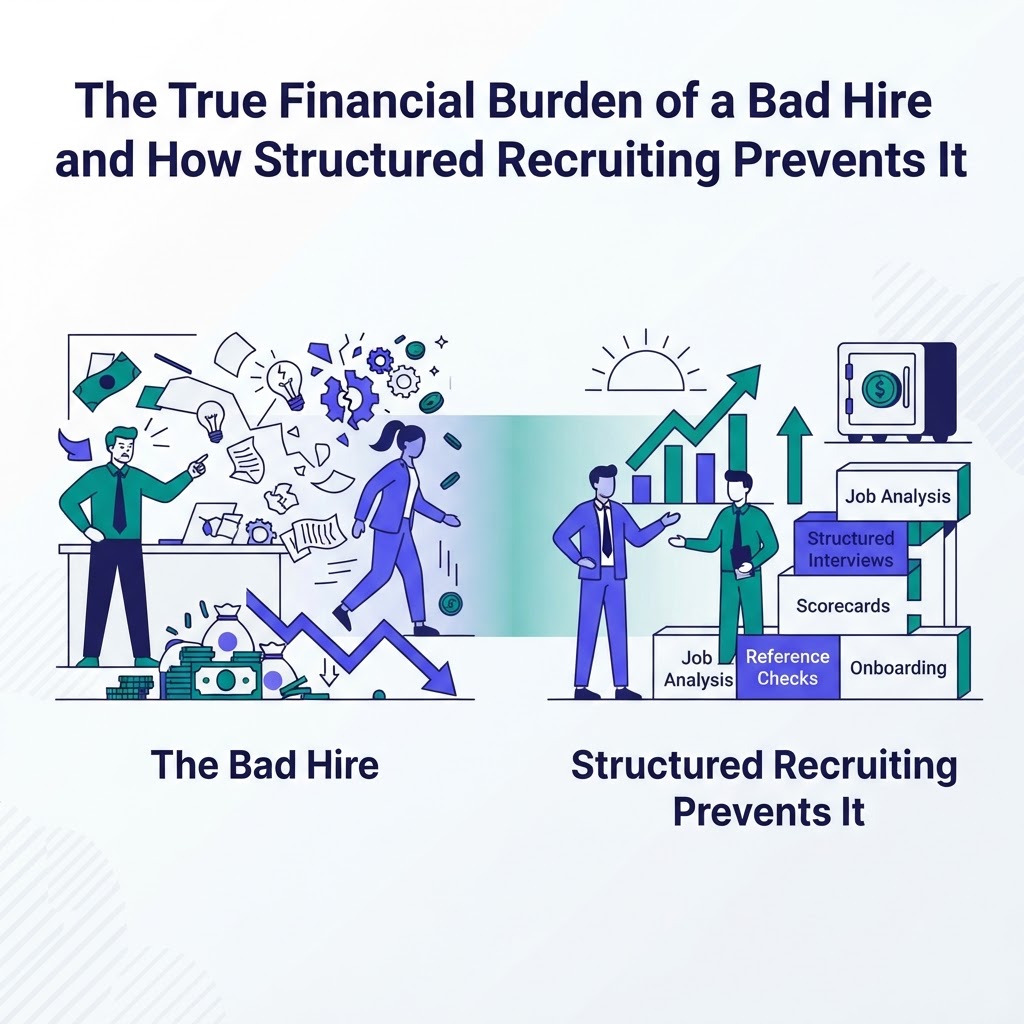
The hiring process is often treated as a subjective endeavor, relying on gut feelings and casual conversations. However, the data reveals a more sobering reality: a bad hire is not just an inconvenience; it is a significant financial drain that can cripple team productivity and culture. When the wrong person is placed in a role, the organization incurs costs far beyond their salary, often totaling up to 30% of that employee’s first-year earnings according to the Department of Labor. Understanding the true cost of these mistakes is the first step toward building a more resilient, data-driven recruitment strategy.
The Hidden Costs of Hiring Mistakes
When an organization makes a bad hire, the expenses accumulate in layers. There are the direct costs, such as the initial salary, benefits, and recruiting agency fees. Then, there are the productivity losses. While the employee is failing to meet performance benchmarks, they are also consuming the time of their manager and teammates. If a high-performing team member has to spend five hours a week cleaning up mistakes or retraining a new arrival, the output of the entire department drops. Furthermore, there is the cost of attrition. When that person eventually leaves, the cycle of advertising, interviewing, and onboarding begins again, compounding the initial loss. RecruitingCRMFlow helps teams track these hidden metrics, ensuring that you can see exactly where time is being wasted and where the process is failing.
The Vulnerability of Unstructured Hiring
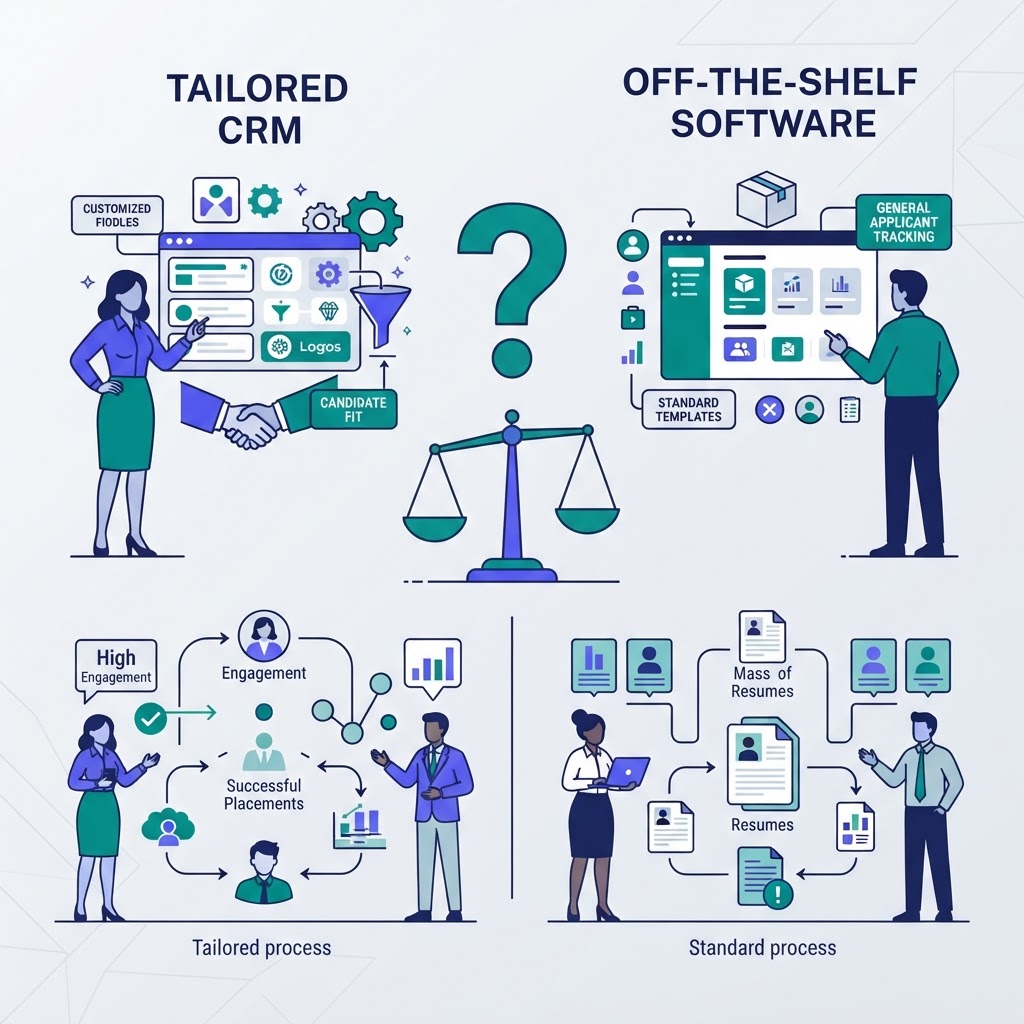
Unstructured hiring is defined by inconsistent interview questions, a lack of scorecards, and fragmented communication. Without a standardized process, every interviewer looks for different traits, leading to biased decisions rather than objective evaluations. This chaos often results in 'candidate ghosting' or losing top-tier talent because the hiring team lacks a centralized platform to manage the progression of applicants. Without an integrated CRM, recruiters often lose track of candidate sentiment and touchpoints, leading to a disjointed experience that damages the employer brand. A CRM like RecruitingCRMFlow provides the necessary guardrails to ensure every recruiter follows the same high-standard workflow.
Leveraging Structured Hiring for Consistency
Structured hiring is the systematic approach to evaluating talent based on pre-defined criteria. By using standardized interview scripts and quantitative scorecards, organizations remove the guesswork from the equation. When every interviewer asks the same core questions and records responses against objective skill markers, the team can compare candidates side-by-side on a level playing field. This is where RecruitingCRMFlow serves as a strategic asset. By embedding these scorecards directly into the platform, the system forces a consistent evaluation process, making it impossible to advance a candidate without proper data-backed feedback.
CRM Guardrails as a Safety Net
Technology is not just about organizing contacts; it is about protecting the integrity of your hiring funnel. CRM guardrails act as the automated guardrails that prevent recruiters from taking shortcuts. For instance, you can configure your pipeline to require specific documents, reference check completions, or hiring manager approvals before a candidate can transition from 'Screened' to 'Offered.' These checks prevent the accidental hiring of unqualified individuals. By centralizing the entire history of a candidate in one dashboard, RecruitingCRMFlow ensures that no communication history is lost, providing the hiring manager with a 360-degree view of the individual before they ever sign a contract.
Building a Sustainable Talent Pipeline
Prevention is always cheaper than correction. By utilizing a robust ATS, organizations can build a sustainable pipeline of pre-vetted talent, reducing the desperation that often leads to rushed, bad hires. When you have a steady stream of high-quality candidates stored in a searchable CRM, you move from reactive recruiting to a proactive talent acquisition model. You are no longer scrambling to fill a gap; you are strategically selecting from a pool of qualified individuals. Investing in the right infrastructure today prevents the costly turnover of tomorrow. With the right tools, recruiting becomes a science rather than a game of chance.