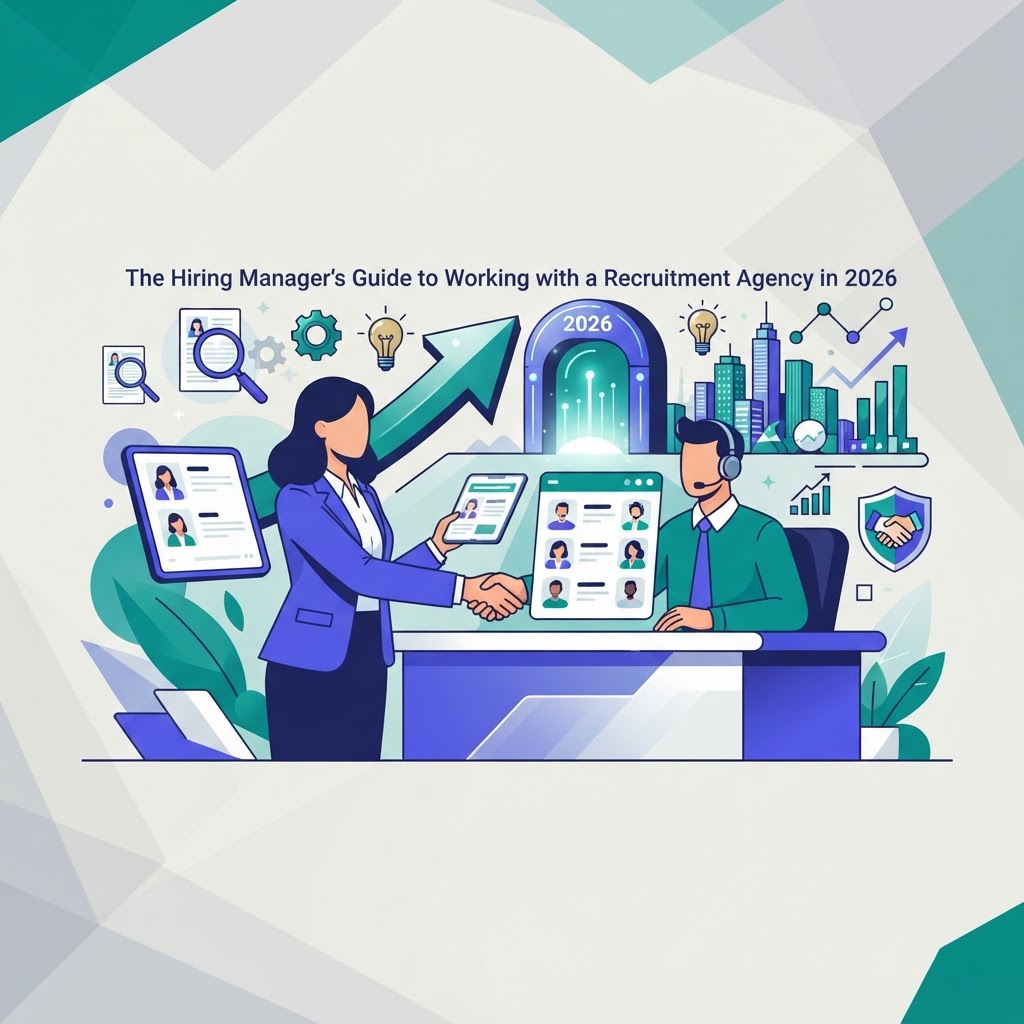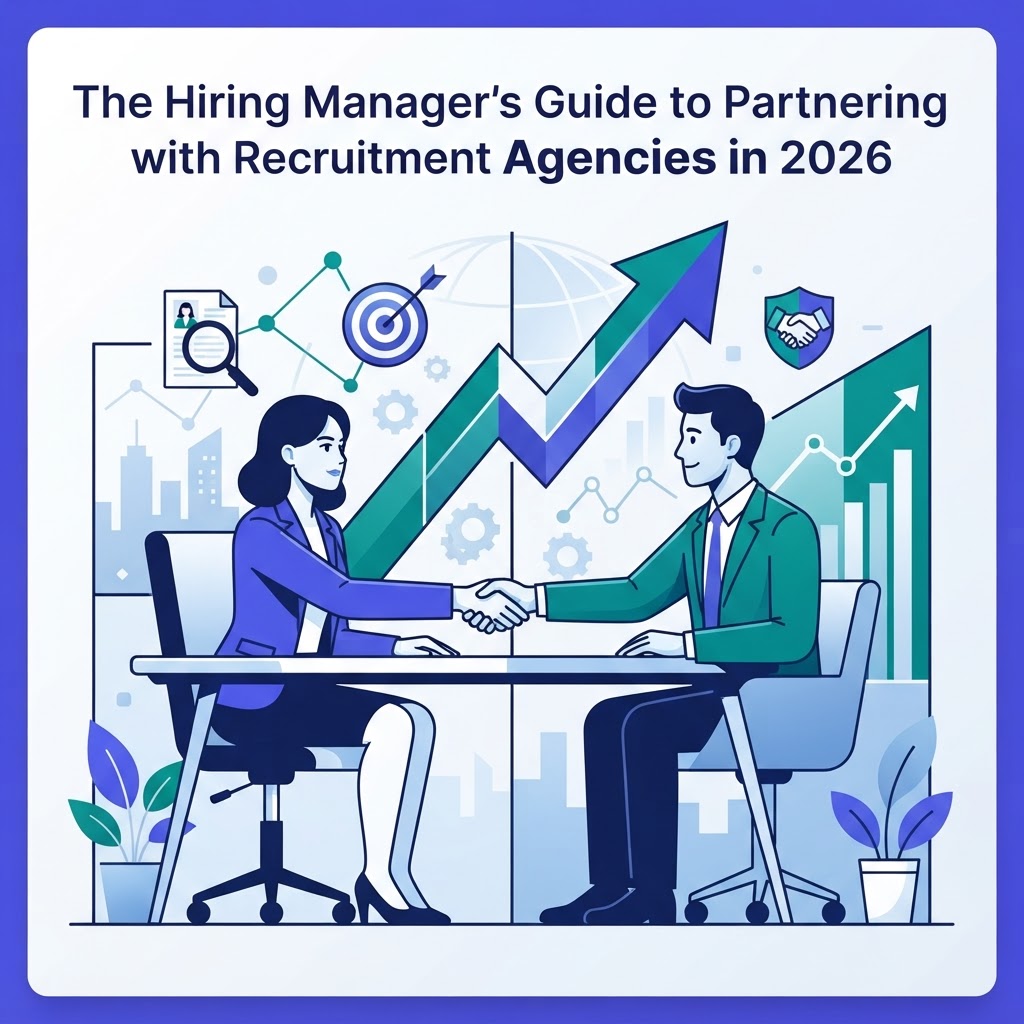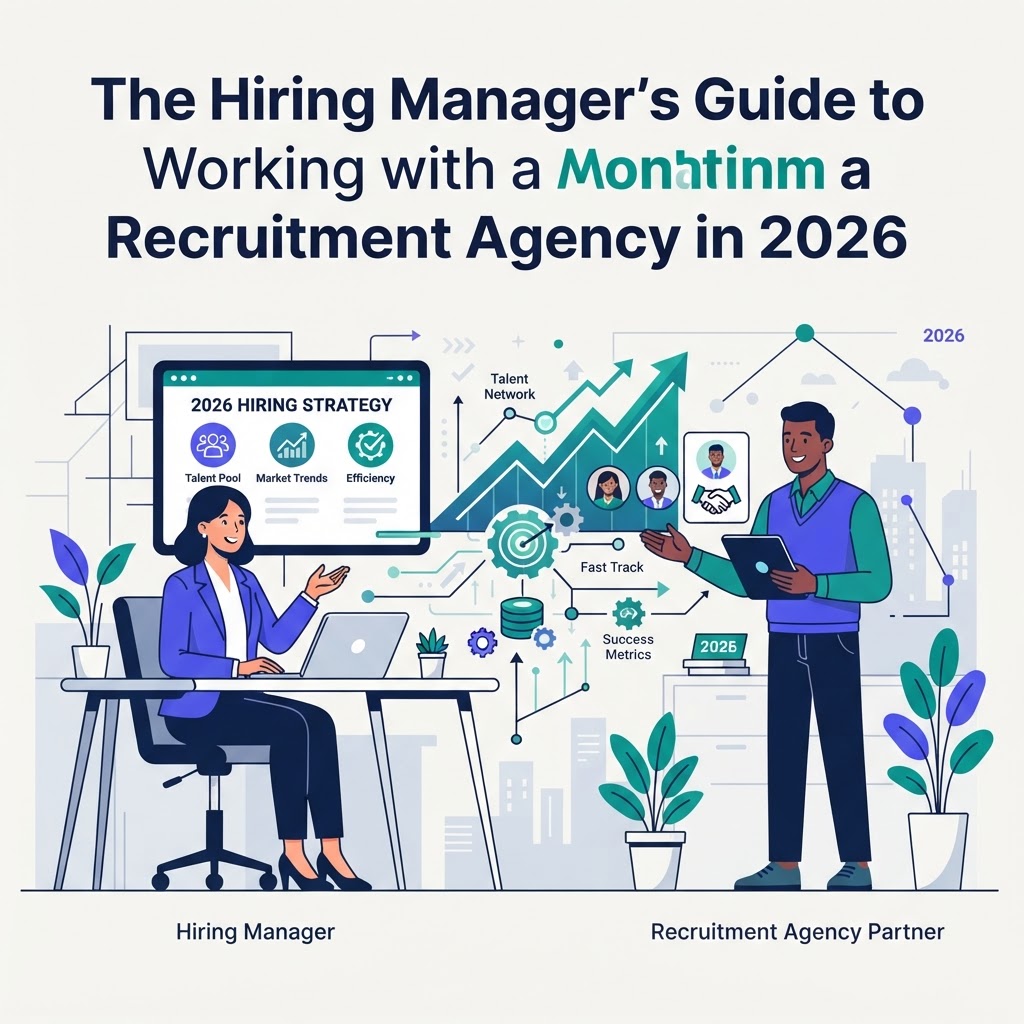
In 2026, the barrier between internal hiring teams and external recruitment agencies has all but vanished. The era of the 'black box' recruitment agency—where candidates are submitted via email and feedback disappears into a void—is officially over. Today, successful hiring managers view their agency partners as an extension of their internal brand, requiring a level of integration that was unthinkable only a few years ago. To succeed in this high-velocity market, both parties must shift from transactional exchanges to collaborative data partnerships.
Define Success Through Shared Data
The biggest friction point in the agency-client relationship remains the feedback loop. When a hiring manager waits 72 hours to provide feedback, that candidate is often already interviewing elsewhere. In 2026, top-performing firms utilize shared visibility platforms like RecruiterCRMFlow to sync progress in real-time. By moving away from disjointed email threads and into a unified portal, you ensure that everyone is looking at the same source of truth. When an agency can see why a candidate was rejected, they calibrate their search parameters instantly, reducing the time-to-fill by an average of 40 percent.
Leveraging CRM Transparency for Speed
Transparency isn't just about communication; it is about tracking the candidate journey. Many agencies lose momentum because they lack visibility into your specific hiring stage. When you grant your recruitment agency access to your CRM ecosystem, you eliminate the "where are we?" status check calls that consume hours of your week. With RecruiterCRMFlow, agencies can see exactly where a candidate sits in the pipeline, allowing them to proactively nurture talent without waiting for manual updates. This level of synchronization turns your agency into a strategic asset that works while you sleep.
Establishing Service Level Agreements (SLAs)
An effective partnership starts with a handshake, but it survives on documented expectations. In 2026, your contract with an agency should look more like a project management charter. Define these core metrics before the search begins:
- Candidate quality ratio: The percentage of submitted profiles that reach the first-round interview.
- Response latency: A commitment to provide feedback within 24 business hours.
- Talent pipeline health: How many passive candidates are being nurtured for future roles versus immediate openings.
- CRM hygiene: A requirement that all interaction notes are logged directly into your shared platform to prevent data loss.
Protecting Your Brand Reputation
Your agency is the first voice a potential hire hears. If they are operating in a silo, your employer brand is at risk. Poorly coordinated agencies often reach out to candidates who have already been contacted by your internal team or who have previously interviewed with your company. This is a common failure point that wastes budget and frustrates top-tier talent. Using a centralized database ensures that you aren't double-contacting leads. By using a sophisticated ATS, you maintain a clean audit trail of every interaction, ensuring the candidate experience remains consistent, professional, and on-brand.
The Future of Agency Integration
The goal of working with an agency in 2026 is to build a long-term talent reservoir, not just fill a seat. If your agency is only sending you resumes, you are missing out on the full value of the partnership. Demand market intelligence. Ask for reports on candidate sentiment, salary expectations, and competitor poaching trends. When your agency uses a tool like RecruiterCRMFlow to track every interaction, they can provide you with deep, actionable insights that help you adjust your hiring strategy in real-time.
Conclusion
The most successful hiring managers in 2026 are those who treat their recruitment agencies as true partners rather than service vendors. By prioritizing transparency, demanding data-backed insights, and leveraging shared CRM technology, you remove the guesswork from your hiring process. When both sides commit to full visibility, you don't just fill roles faster—you build a sustainable engine for long-term growth.