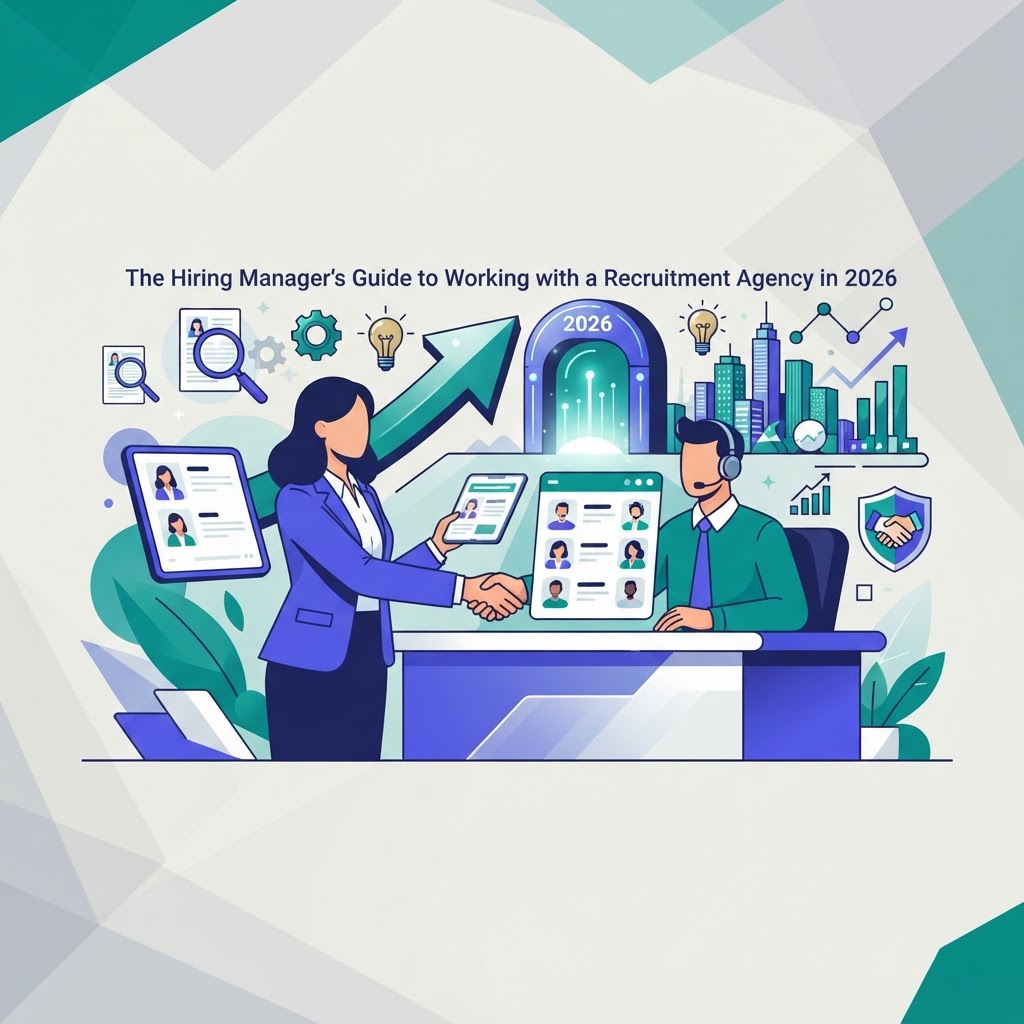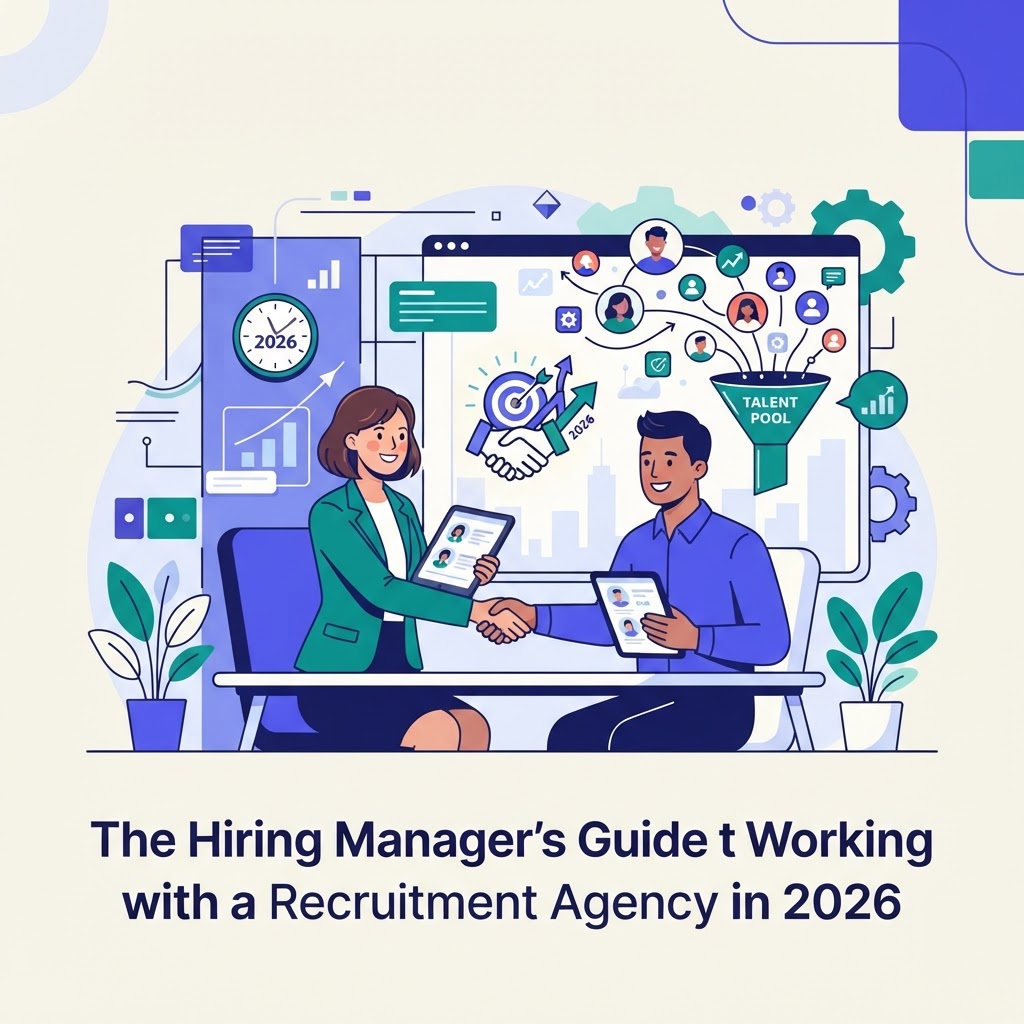
The landscape of talent acquisition has shifted dramatically by 2026. With AI-driven candidate sourcing and hyper-competitive global markets, hiring managers can no longer treat recruitment agencies as simple resume-forwarding services. To secure top-tier talent in this climate, you must transition from a vendor-client mindset to a strategic partnership model.
Establishing Strategic Alignment from Day One
The most common failure point in agency relationships is a lack of alignment on the candidate profile. In 2026, a job description is rarely enough. To get the best results, you must provide your agency with a detailed "scorecard" that outlines not just technical requirements, but the cultural nuances and core competencies required to succeed in your specific team. When you use tools like RecruiterCRMFlow, this alignment is documented centrally, ensuring that everyone involved in the hiring process is looking at the same source of truth rather than relying on fragmented email threads.
The Power of CRM Transparency
Transparency is the currency of the modern recruiter-client relationship. If you are still relying on weekly manual updates or spreadsheets, you are operating in the past. Modern agencies should offer you visibility into their candidate pipeline. This is where a robust CRM like RecruiterCRMFlow changes the game. By granting hiring managers access to shared dashboards, you can see real-time updates on candidate sourcing, outreach attempts, and interview stages. This eliminates the "black hole" effect where candidates seem to disappear after submission. When you can see the effort being put into your requisitions, you can provide faster, more constructive feedback, which in turn helps your agency partner calibrate their search faster.
Setting Clear Communication Protocols
Agencies often struggle when they receive radio silence from hiring managers. In 2026, speed is the primary differentiator between an offer accepted and a candidate lost to a competitor. Establish a protocol where feedback is provided within 48 hours of a candidate submission. If you are using a platform like RecruiterCRMFlow, this feedback can be attached directly to the candidate’s profile. This creates an audit trail that helps the agency understand exactly why a candidate was rejected, allowing them to refine their search parameters in real-time. Without this data loop, agencies are essentially guessing, which wastes your time and theirs.
Leveraging Data for Better Hiring Decisions
Data-driven recruitment is no longer optional. By 2026, you should be asking your agency for insights rather than just resumes. Ask about their conversion rates, time-to-submit, and source quality. If your agency is struggling to fill a role, the data should tell the story. Are the candidates dropping out at the technical assessment stage? Is the salary expectation misaligned with the market? Using a CRM to track these metrics allows you to pivot your strategy proactively. RecruiterCRMFlow provides visual analytics that highlight where the bottlenecks are, ensuring that you and your agency partner are solving the right problems.
Moving Beyond the Transactional Hire
Finally, treat your agency as an extension of your talent brand. The best agencies will act as brand ambassadors, attracting passive talent that you wouldn't find through job boards alone. To facilitate this, share your company's long-term hiring roadmap with them. When agencies understand your 12-month goals, they can start "warming up" potential candidates well before you have an active opening. This proactive approach turns your recruitment spend into a strategic investment rather than a reactive cost center, ensuring that when you finally do need to hire, you have a pipeline of vetted, interested professionals ready to engage.
Conclusion
Success in 2026 requires moving past the old-school agency model. By prioritizing CRM transparency through platforms like RecruiterCRMFlow, maintaining clear communication, and treating your agency as a strategic partner, you significantly increase your odds of winning the war for talent. Focus on data, collaboration, and speed, and watch as your recruitment process becomes a powerful engine for organizational growth.