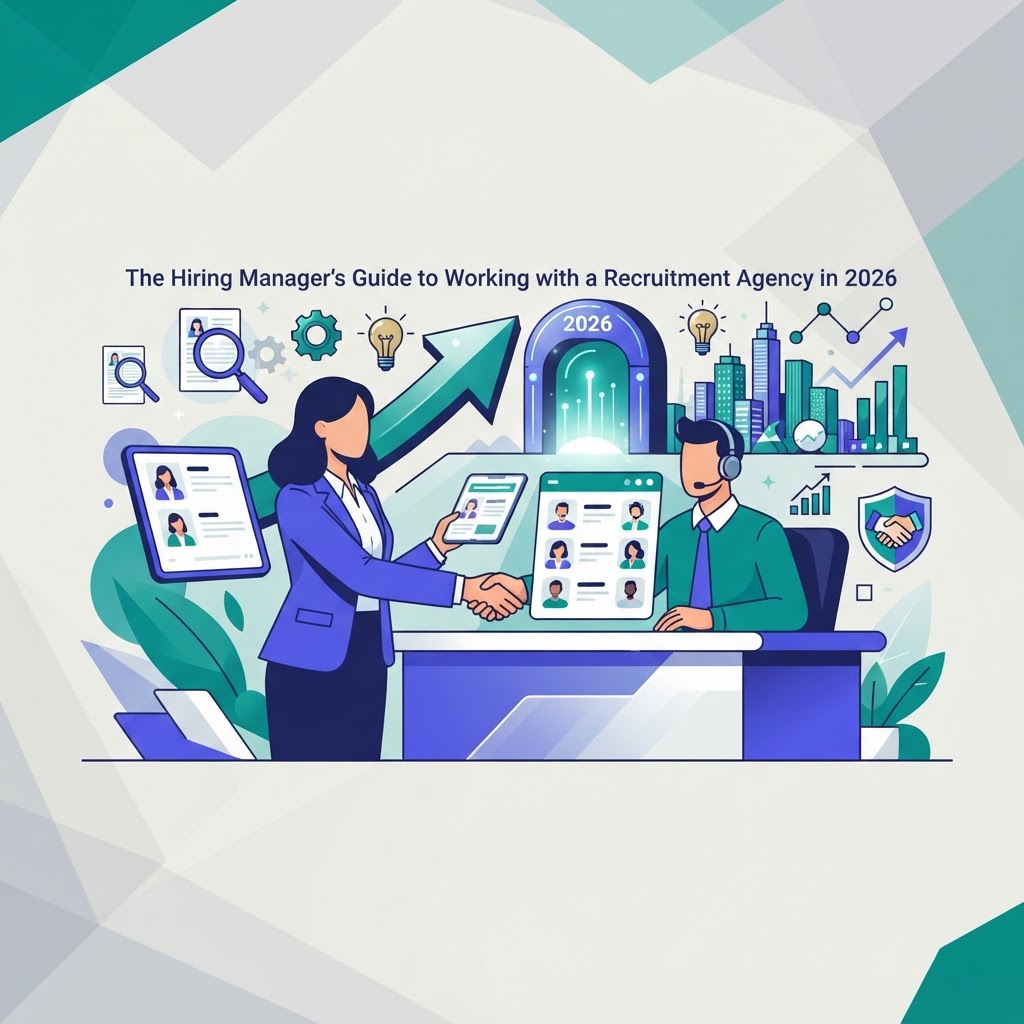
The landscape of talent acquisition in 2026 has shifted significantly, moving away from transactional vendor relationships toward true strategic partnerships. As a hiring manager, your time is your most valuable asset, yet it is often consumed by inefficient communication loops and blind spots in the candidate pipeline. To thrive in this hyper-competitive market, successful hiring managers are no longer just 'ordering' talent; they are integrating recruitment agencies into their internal ecosystems to achieve a unified, data-driven hiring process.
Setting Expectations and Defining Success Metrics
Before launching a search, clear the air regarding deliverables. In 2026, a 'resume dump' is an unacceptable service level. Instead, establish specific Key Performance Indicators (KPIs) from the start, such as short-list turnaround time, candidate quality scores, and interview-to-offer ratios. A top-tier agency should commit to a 72-hour turnaround for initial candidate screenings. If these expectations are not mapped clearly at the beginning, the relationship will inevitably default to frustration. Frame your engagement not as a transaction, but as a roadmap where the agency understands your team culture, technical requirements, and long-term business goals.
The Role of CRM Transparency in Modern Hiring
One of the greatest sources of friction between hiring managers and agencies is the 'black box' effect, where candidates disappear into an agency's private database. This lack of visibility leads to duplicate outreach and wasted time. By utilizing a platform like RecruiterCRMFlow, both you and your agency partners can share a centralized view of the candidate pipeline. When you share access to a collaborative CRM, you eliminate the need for lengthy status update emails. You can see real-time updates on candidate status, interview feedback, and history, ensuring that nobody is left wondering where a candidate stands in the process.
Avoiding the Lost Talent Trap
How much talent has your team lost due to miscommunication? In the past, internal hiring managers and external agencies often worked in silos, leading to candidates being approached twice or having their data fall through the cracks. Using RecruiterCRMFlow, your organization can maintain a single source of truth. When your agency logs interactions and progress directly within your ecosystem, you avoid the administrative nightmare of manual tracking. This transparency ensures that you don't lose track of top-tier talent who might have been interested in a role three months ago but were never correctly tagged or nurtured. Modern recruitment is about nurturing, not just sourcing.
Strategies for Seamless Collaboration
To bridge the gap between internal and external recruitment, adopt these best practices:
-
Establish a weekly 15-minute synchronization call to review pipeline velocity.
-
Provide constructive, rapid feedback on every candidate submitted within 24 hours.
-
Use shared scoring rubrics to ensure the agency knows exactly what 'qualified' means to you.
-
Invite agency partners to participate in pre-hiring kick-off meetings to clarify job nuances.
By treating the agency as an extension of your own HR department, you leverage their specialized sourcing power while maintaining the control and oversight of your internal processes.
Leveraging Data to Refine Your Hiring Velocity
In 2026, gut feelings no longer suffice for high-stakes hiring decisions. Use the analytical capabilities within your CRM to identify bottlenecks in your process. Are your interviews taking too long to schedule? Is the agency failing to meet your specific diversity or skill-set targets? When your agency uses RecruiterCRMFlow to track their outreach and candidate engagement, you gain objective data to troubleshoot these issues. If the metrics indicate a low submittal-to-interview ratio, you can pivot the search strategy immediately rather than waiting until the end of the quarter to realize the search was ineffective.
Conclusion: Building a Sustainable Talent Pipeline
Working with a recruitment agency in 2026 is about more than just filling a desk—it is about building a sustainable pipeline of high-quality talent. By prioritizing transparency, demanding accountability, and utilizing shared technology platforms like RecruiterCRMFlow, you can transform your external partners into genuine extensions of your internal recruiting team. Those who embrace this level of integration will inevitably win the war for talent while others continue to lose time and opportunities in the black box of traditional agency relationships.