The landscape of talent acquisition has shifted permanently. By 2026, the era of the 'gut feeling' interview is officially over, replaced by a mandate for objective, data-backed assessment. As hiring teams face increasing pressure to deliver quality-of-hire metrics, the difference between success and a costly mis-hire lies in the rigor of your process. This guide explores how to leverage technology and structured methodologies to win the war for talent.
The Power of Structured Interviewing
Structured interviews are the gold standard for predicting job performance. Unlike conversational, unstructured interviews that rely on personality chemistry, a structured format asks every candidate the same core set of questions and evaluates them against a standardized rubric. Research suggests that structured interviews are twice as predictive of job performance as unstructured ones. By minimizing unconscious bias and ensuring parity, you ensure that every applicant receives an equal opportunity to showcase their potential.
Implementing Quantitative Scoring Rubrics
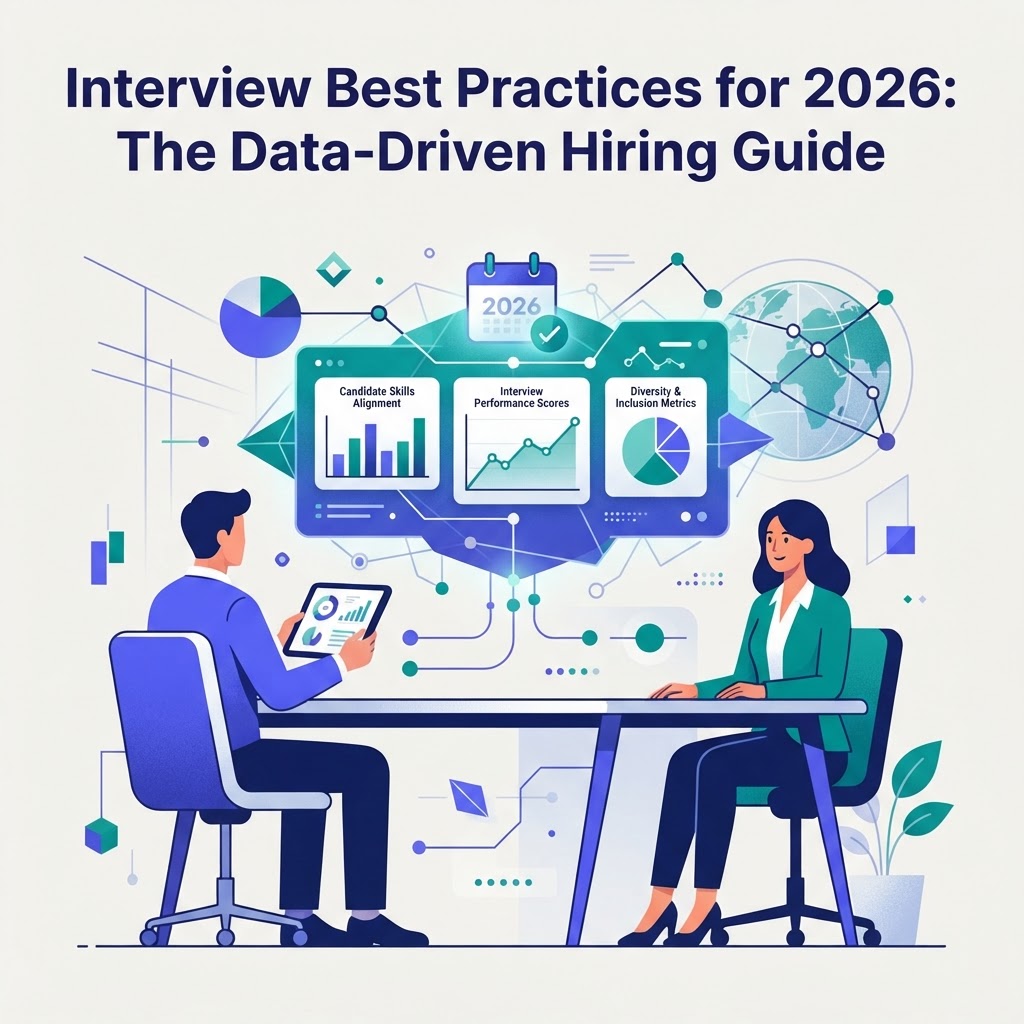
Consistency requires measurement. Without a 1-5 or 1-10 scoring scale, feedback often devolves into subjective comments like 'good culture fit' or 'seemed nervous.' In 2026, high-performing recruitment teams utilize granular scorecards that map specific skills to core competencies. For example, rather than rating a candidate on 'communication,' define metrics for 'clarity of technical explanation' and 'active listening during follow-up.' Using RecruiterCRMFlow, teams can capture these individual scores during the live interview, ensuring that data is quantified immediately rather than relying on foggy memory hours later.
Leveraging CRM Integration for Interview Efficiency
Lost talent often results from a disjointed candidate experience. When hiring managers forget to sync their notes or take days to submit feedback, the best candidates accept other offers. A modern recruitment CRM serves as the single source of truth for every interaction. By centralizing the interview process within RecruiterCRMFlow, you eliminate the 'information silo' effect. Every interviewer can see what colleagues have already asked, preventing redundant questions and providing the candidate with a seamless, professional experience that reflects well on your employer brand.
Reducing Time-to-Hire with Automated Workflows
Time is the enemy of recruitment. The 'black hole' of candidate feedback is a primary cause of ghosting and loss of top-tier talent. Automated interview scheduling and automated reminders for interviewers to complete scorecards are essential in 2026. If an interviewer does not submit their score within 24 hours, the CRM should trigger a notification to ensure the pipeline keeps moving. This responsiveness is not just about speed; it is a competitive advantage that secures interest from passive candidates who value a transparent and efficient hiring cycle.
Closing the Loop on Candidate Experience
Data-driven hiring is not just about the company's needs; it is about respecting the candidate. By using structured scorecards, you can provide candidates with more meaningful, constructive feedback, even when they aren't hired. This maintains a positive relationship with your talent pool, ensuring they remain in your CRM for future opportunities. With RecruiterCRMFlow, your historical candidate data is always accessible, allowing you to nurture past applicants who have grown their skills since their last interaction.
Conclusion: Building for the Future
Success in 2026 demands a shift toward scientific hiring. By prioritizing structured interviews, enforcing rigorous scoring, and utilizing centralized tools like RecruiterCRMFlow, your hiring team will reduce bias, increase retention, and reclaim time lost to administrative friction. The future of recruiting is not just finding the right person, but building a repeatable, efficient engine that identifies that person every time.