The landscape of talent acquisition in 2026 demands more than just intuition. As hiring teams face increasing pressure to balance speed with quality, the reliance on unstructured, conversational interviews has proven to be a liability. The modern standard focuses on objectivity, data-driven assessment, and seamless integration between candidate interaction and platform tracking.
The Power of Structured Interviewing
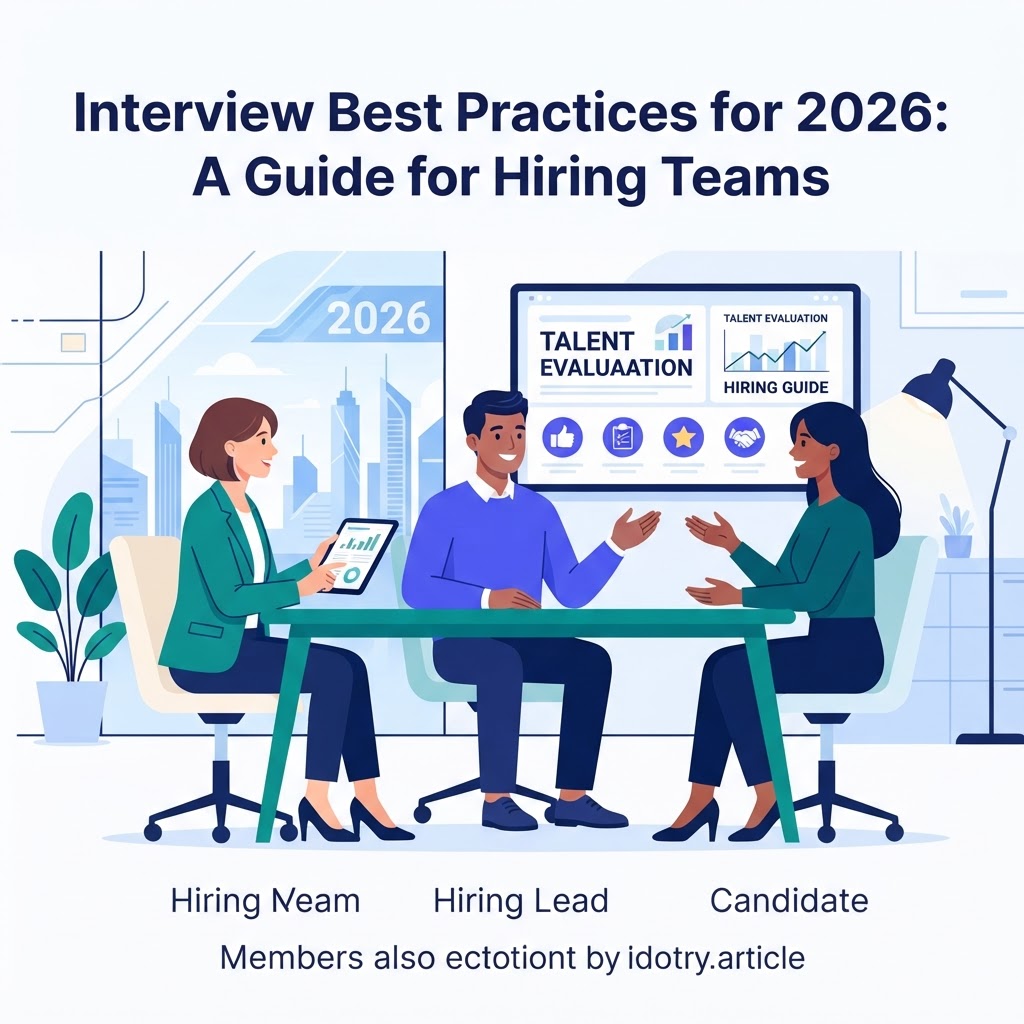
A structured interview is the gold standard for predicting job performance. By asking every candidate the same set of predetermined questions in the same order, teams remove the bias inherent in casual conversation. This approach allows for a direct "apples-to-apples" comparison, which is essential when juggling a large pipeline of applicants. In 2026, firms that fail to standardize their interview process see a 40% higher rate of "bad hires" compared to those that use rigid evaluation frameworks.
Implementing Quantitative Scoring Systems
Qualitative feedback like "I really liked their energy" is no longer acceptable. Scoring systems provide the concrete data points required to make informed hiring decisions. Teams should adopt a 1-to-5 scale for specific core competencies, such as technical proficiency, cultural add, and problem-solving abilities. When your CRM automatically aggregates these scores, you eliminate the risk of "recency bias," where the most recent interview influences the evaluation of a candidate interviewed days prior. RecruiterCRMFlow enables teams to map these scores directly to the candidate record, ensuring that every score contributes to a master profile that is visible to all stakeholders.
Leveraging CRM Tooling for Candidate Experience
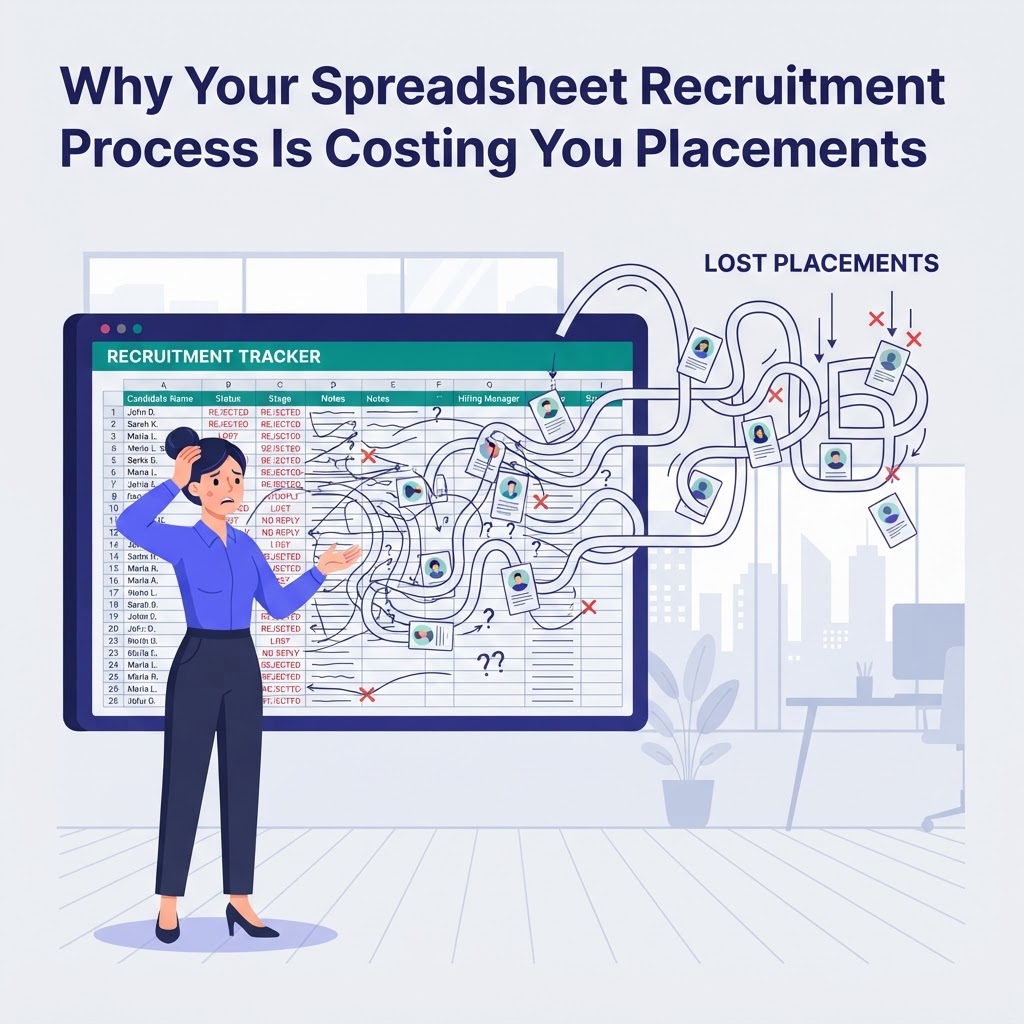
Technology is the invisible bridge between a great candidate experience and an efficient internal process. Without a robust CRM, interview notes, email threads, and scheduling details become siloed in disparate spreadsheets and inbox folders. Lost data is essentially lost talent. Using RecruiterCRMFlow ensures that every touchpoint, from the initial screening call to the final interview, is centralized. When a candidate reaches out for an update, the recruiter does not need to hunt through emails; the entire history is available in a single interface, significantly reducing time-to-hire metrics.
Reducing Time-to-Fill Through Automation
Efficiency in 2026 is driven by automated workflows. High-performing teams use integrated scheduling tools that sync with their CRM to prevent double-booking and manual entry errors. By automating the follow-up process and setting reminders for interviewers to submit their scorecards within 24 hours, you keep the momentum moving. This is critical because top talent is often off the market within 10 days of starting their search. RecruiterCRMFlow provides the automation necessary to ensure that no candidate falls through the cracks due to administrative bottlenecks.
Maintaining the Human Touch in a Data-Driven World
While data and structure are vital, they must not replace the human element. The best hiring teams use the time saved by automation to personalize the interview experience. Use the data in your CRM to reference a candidate’s specific interests or previous project successes. When recruiters arrive at an interview fully prepared with the candidate's complete history, the interaction feels professional and respectful. This level of preparation is what separates industry leaders from average firms.
Conclusion
As we look further into 2026, the intersection of structured methodologies and powerful CRM tooling will define winning recruitment teams. By standardizing your interview process, utilizing objective scoring, and centralizing your data in RecruiterCRMFlow, you can drastically reduce your time-to-hire while simultaneously improving the quality of your talent pool. Remember: your process is only as strong as your ability to track it.