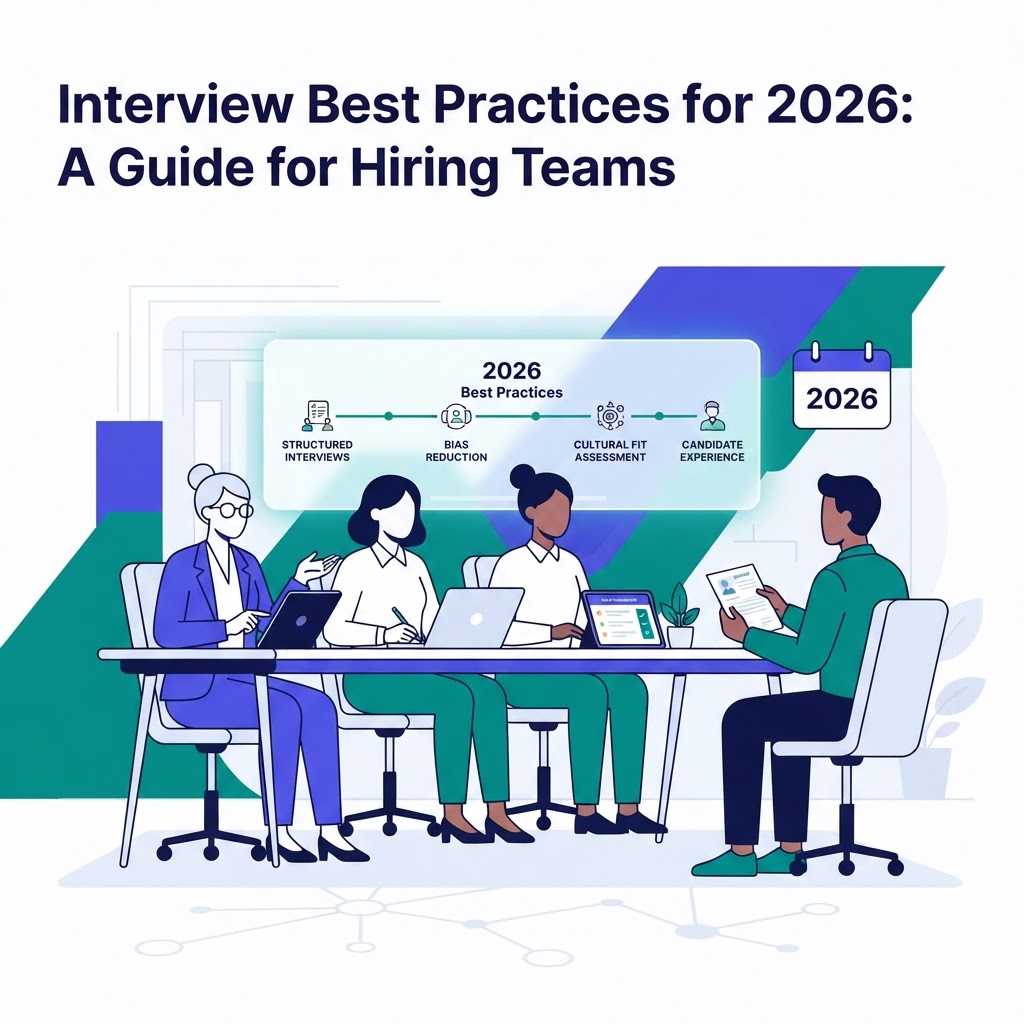
As we move further into 2026, the hiring landscape has shifted from a reliance on gut instinct to a model defined by precision, equity, and data. With talent acquisition becoming increasingly competitive, hiring teams that lack a structured approach are losing their best candidates to organizations that prioritize speed and clarity. By moving away from unstructured, conversational interviews, companies can reduce bias and improve the quality of every hire.
The Power of Structured Interviewing
Structured interviews involve asking every candidate the same set of questions in the same order, using a standardized scoring rubric. Research consistently shows that structured interviews are twice as predictive of job performance as unstructured interviews. By removing the variability of random conversation, you ensure that candidates are evaluated on their merits relative to the job requirements rather than their ability to banter. Utilizing a platform like RecruitingCRMFlow allows you to embed these question sets directly into your hiring workflows, ensuring every interviewer follows the same rigorous standard.
Implementing Objective Scoring Rubrics
Scoring should never be subjective. By 2026, top-tier agencies are using behavioral competency frameworks to grade responses. For example, rather than asking 'tell me about yourself,' use prompt-based questions that map directly to core competencies like 'Problem Solving' or 'Adaptability.' Each response is scored on a scale of 1 to 5 based on predetermined success criteria. When your team uses a CRM to centralize these scores, you eliminate the 'memory bias' that often occurs when recruiters review notes days after an interview. RecruitingCRMFlow allows stakeholders to input scores in real-time, providing an instant leaderboard of candidates that helps management make decisions in hours, not weeks.
Leveraging CRM Tooling to Prevent Talent Leakage
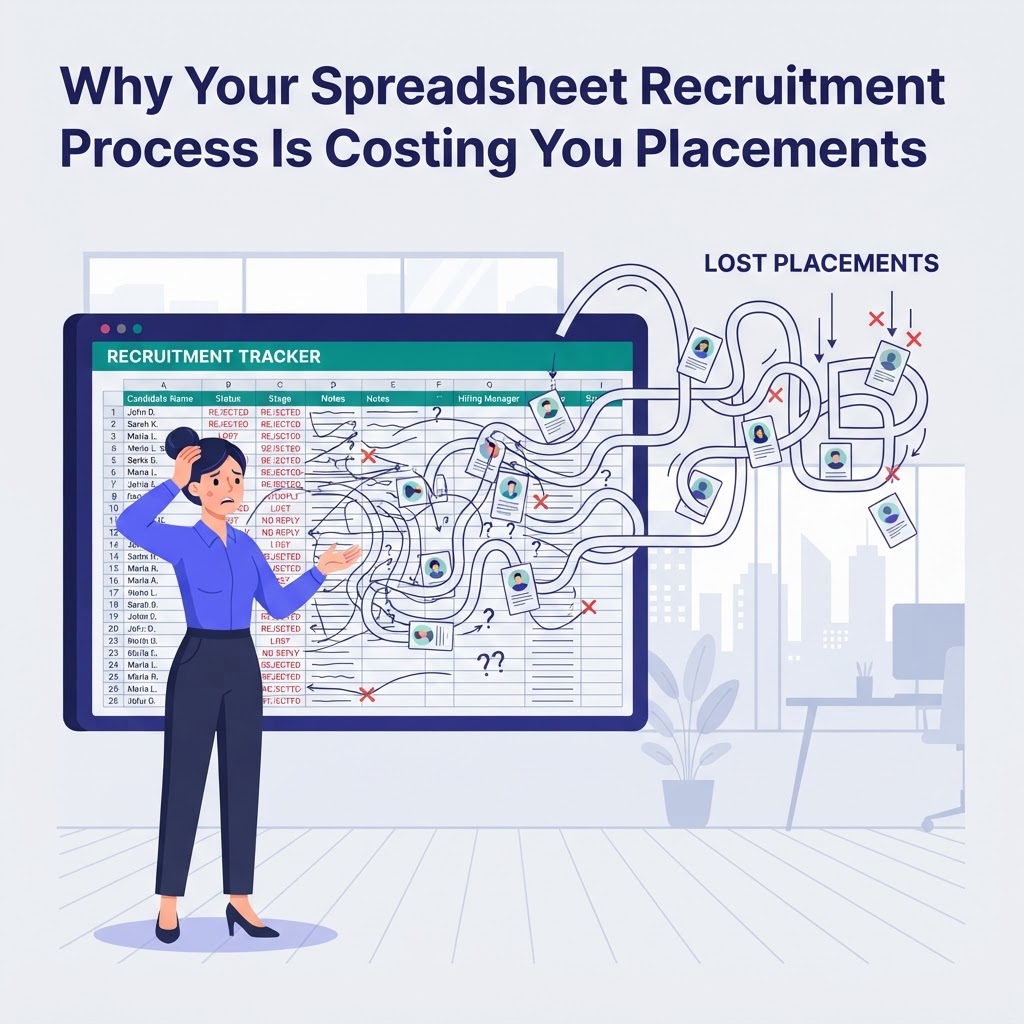
One of the most significant challenges in modern recruitment is the loss of qualified candidates due to fragmented communication. If your interview notes, scorecards, and email threads are scattered across spreadsheets and inbox folders, you are likely losing 30% or more of your top-tier pipeline. Integrating a dedicated CRM like RecruitingCRMFlow acts as a single source of truth. By tracking the entire lifecycle of an applicant from the first outreach to the final offer, you ensure that no contact is left behind. When interviewers have immediate access to a candidate's full profile—including their previous interactions and historical interview scores—the candidate experience improves significantly because they aren't forced to repeat their background to multiple stakeholders.
Training Teams on Bias Mitigation
Even with the best tools, hiring teams need training to recognize unconscious bias. In 2026, the best recruitment operations conduct quarterly training on inclusive interviewing. This includes teaching teams how to:
- Identify affinity bias, where interviewers favor candidates who share their background.
- Implement 'blind' segments of the interview where recruiters focus solely on technical output.
- Utilize standardized feedback loops to review interview summaries for biased language.
By integrating these training modules into your internal CRM portal, you ensure that every recruiter has instant access to the company's hiring manifesto and anti-bias guidelines during the candidate evaluation process.
The Future of Hiring is Data-Backed
The final piece of the 2026 puzzle is the analysis of your hiring funnel. If your agency is struggling with low conversion rates, you need to examine the data. How long does the average candidate sit in the 'Interview' stage? How many interviews occur before an offer is extended? RecruitingCRMFlow provides deep analytics that highlight bottlenecks in your process. If the data shows that candidates are dropping off after the second round, you can immediately pivot your strategy, refine your questions, or re-train your interviewing panel. Moving forward, competitive advantage will be won by those who treat recruitment as a science, backed by robust CRM technology.