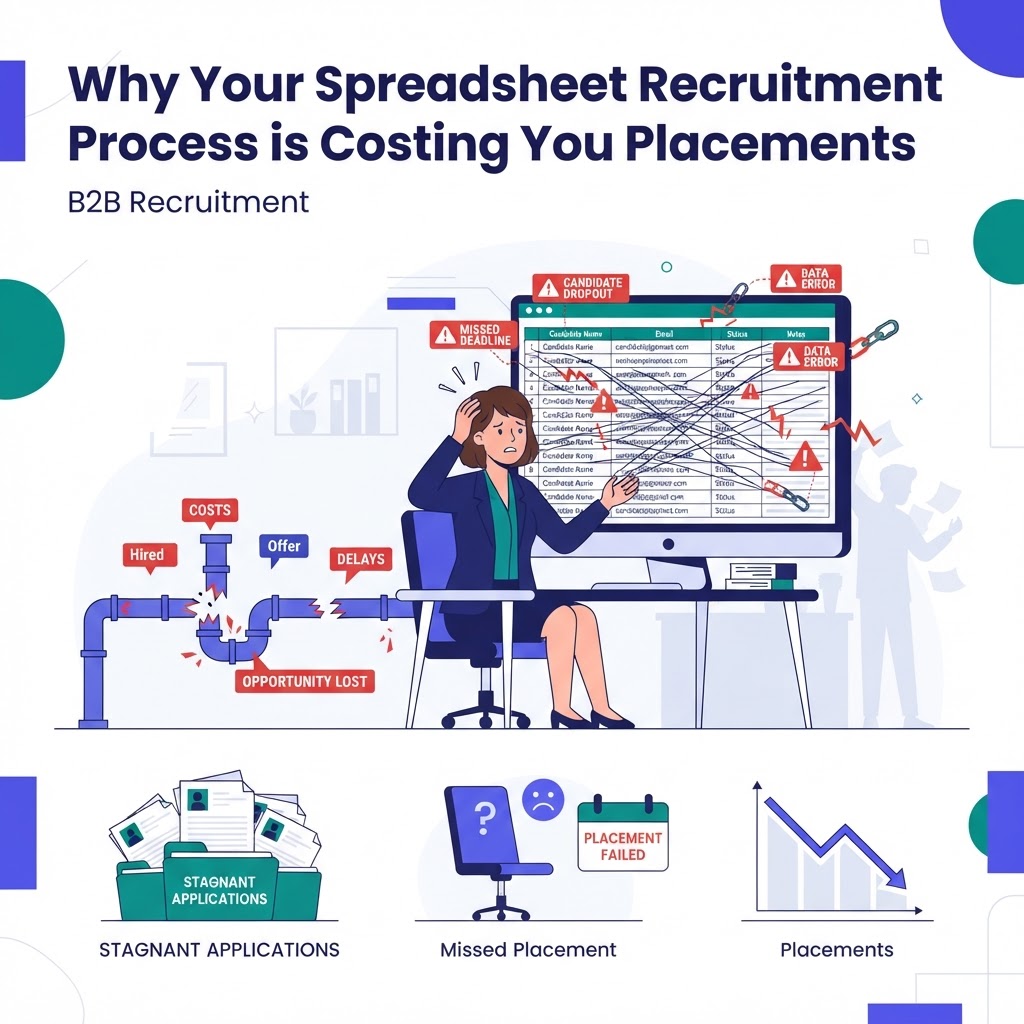
The landscape of recruitment is undergoing a radical shift as we enter 2026. Hiring teams are no longer relying on 'gut feelings' or casual conversations to identify top talent. Instead, the industry has pivoted toward scientific, structured interview frameworks that minimize unconscious bias and improve the quality of hire. Without a centralized system to capture this data, companies are losing high-potential candidates to competitors who move faster and act with more precision.
The Power of Structured Interviews
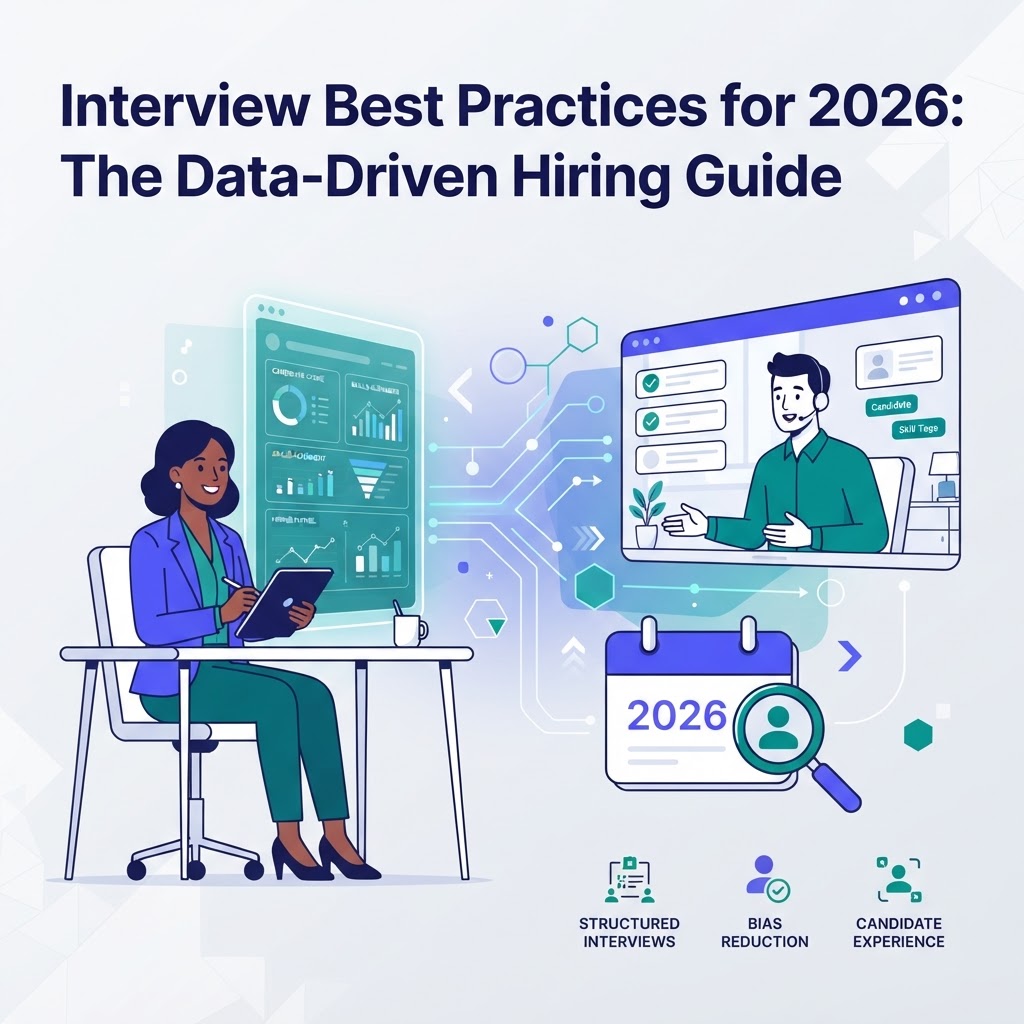
Structured interviews have evolved from a recommendation into a mandatory standard. By asking every candidate the same core set of job-related questions and using a predetermined evaluation rubric, hiring managers can ensure a level playing field. Research indicates that structured interviews are twice as predictive of future job performance compared to unstructured formats. This consistency is not just about fairness; it is about gathering comparable data points that allow you to compare apples to apples during the final decision-making phase.
Implementing Quantitative Scoring Rubrics
To move beyond subjective impressions, teams must adopt objective scoring rubrics. Instead of rating a candidate as 'good' or 'bad,' create a 1-5 scale based on specific competencies. For example, if you are hiring for a developer, rate them on architectural problem-solving, code readability, and collaborative communication. By standardizing these metrics, you eliminate the noise created by individual interviewer preferences. When your team uses a platform like RecruiterCRMFlow, these scores are automatically logged, ensuring that every piece of feedback is preserved in the candidate profile for future reference.
Centralizing Feedback with CRM Tooling
One of the most common pitfalls in modern hiring is the 'lost interview' phenomenon. When feedback is scattered across email threads, paper notes, or instant messages, you lose the ability to analyze trends or perform post-mortem hiring reviews. RecruiterCRMFlow functions as the single source of truth, housing all interview notes, recorded video assessments, and final scorecards in one interface. By centralizing this information, your team eliminates the manual time spent chasing feedback, which can save upwards of five hours per candidate lifecycle. If you aren't tracking your interaction history in a CRM, you are effectively operating in a vacuum.
Creating a Candidate-Centric Experience
While structure is essential for the employer, the candidate experience must remain personal. In 2026, the best candidates are evaluating you just as much as you are evaluating them. Automation tools within your CRM can manage the logistics, such as self-scheduling interviews and automated follow-up reminders. By offloading these administrative burdens, recruiters can focus on the human element: building rapport and answering complex questions about company culture. A candidate who feels the hiring process is disjointed is 40% more likely to drop out before the offer stage.
The Role of Data in Hiring Optimization
Finally, the ultimate goal of modern interviewing is continuous improvement. By aggregating interview scores over time, hiring teams can identify which departments have the most successful onboarding processes and which interviewers have the highest success rates in picking long-term hires. These insights are only possible if your ATS is actively capturing historical data. Teams that fail to utilize CRM-driven reporting are missing the chance to refine their 'hiring signature,' leading to repeated mistakes and stagnant talent acquisition strategies.
In conclusion, mastering the 2026 hiring landscape requires a blend of rigorous structure and smart technology. By adopting standardized scoring, centralizing your interactions in RecruiterCRMFlow, and treating data as a strategic asset, you can reduce time-to-hire and ensure your organization attracts the absolute best talent in the market.