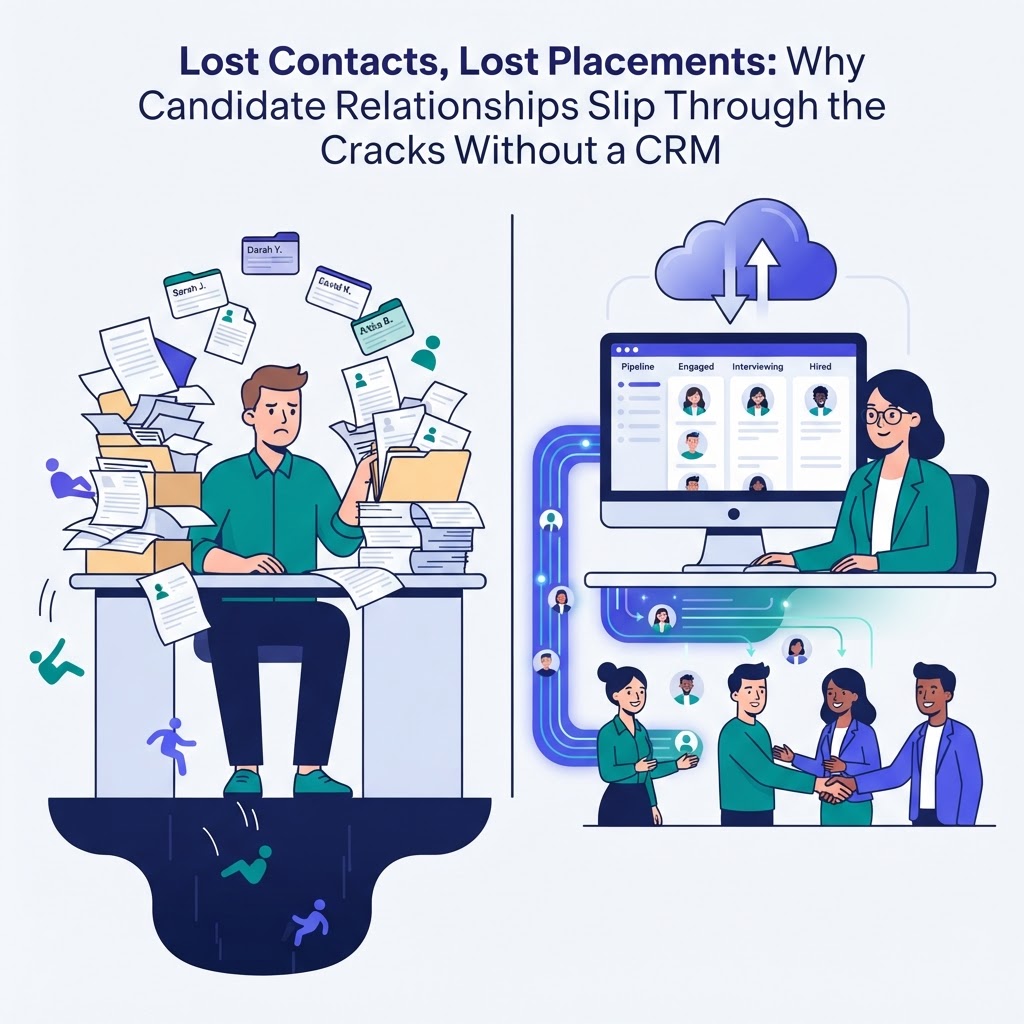
In the fast-paced world of recruitment, your database is your most valuable asset. Yet, for many agencies, that database is a collection of fragmented spreadsheets, messy email inboxes, and half-forgotten notes scribbled on sticky pads. When candidate interactions happen in silos, the result is inevitable: talented individuals slip through the cracks, and potential placements disappear into the void. Without a single source of truth, recruiters are essentially guessing where their relationships stand, leading to wasted time and lost revenue.
The High Cost of the Memory Gap
Every time you fail to log a conversation, you lose data. Research suggests that the average recruiter spends nearly 20% of their day manually searching for information across multiple tools. When you cannot immediately recall the last point of contact, the salary expectations discussed, or the specific reasons a candidate turned down a role six months ago, you lose your competitive edge. This is not just a minor inconvenience; it represents thousands of dollars in lost commission. A candidate who feels forgotten because you have to ask the same questions twice is a candidate who stops answering your calls.
Why Spreadsheets Are Not Enough
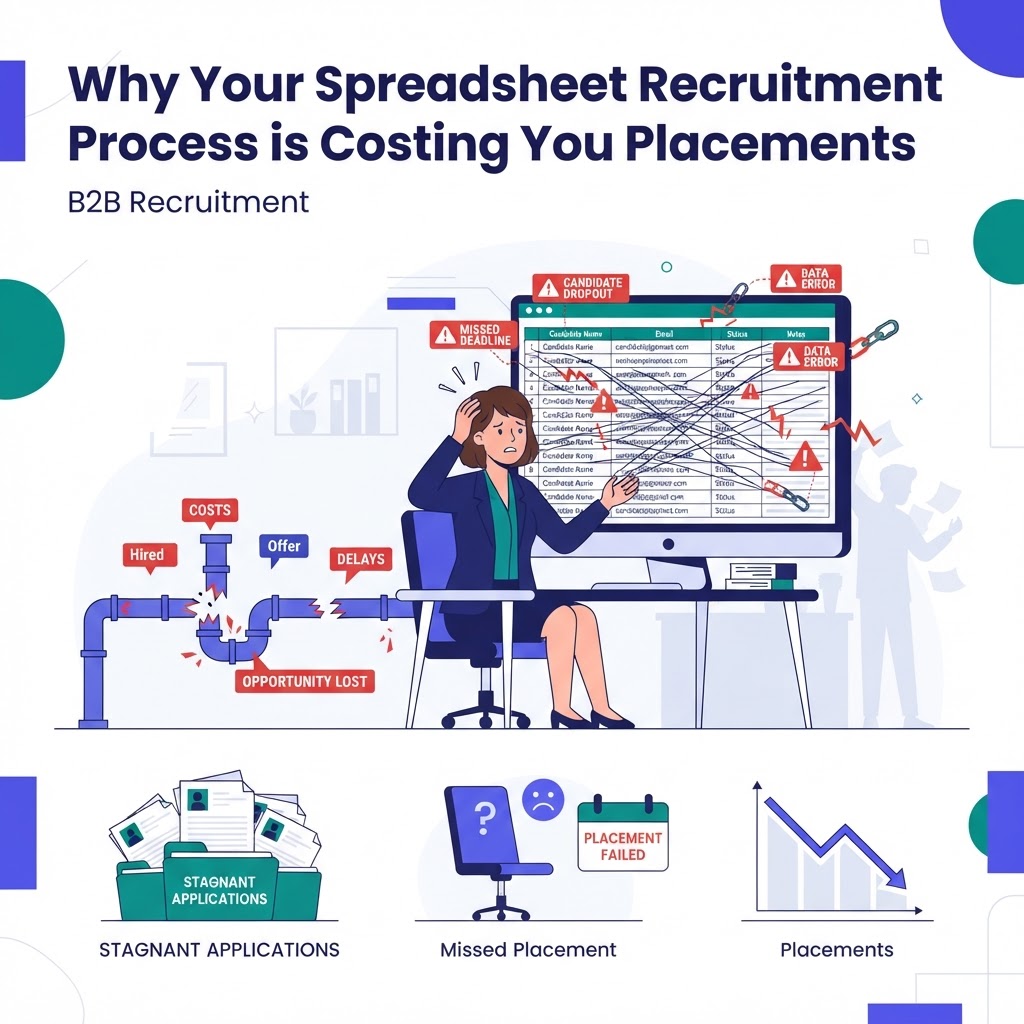
Many agencies rely on Excel or Google Sheets to track their pipeline, believing that as long as the names are listed, the relationship is secure. However, spreadsheets are static. They do not send reminders for follow-ups, they do not integrate with your email client, and they certainly do not provide a visual history of engagement. Using spreadsheets to manage a talent pool is like trying to navigate a ship with a paper map drawn ten years ago. It fails to account for the dynamic nature of a career, where candidates move, change priorities, and gain new skills in real-time.
Centralizing the Candidate Journey
RecruiterCRMFlow transforms this chaos into a streamlined engine. By centralizing communication logs, call notes, and email history, you ensure that every interaction is captured automatically. When a candidate reaches out, you are not scrambling to remember who they are. Instead, you have an immediate snapshot of their entire history with your agency. This level of organization is what separates top-tier billers from those who are constantly chasing their tails. With a platform that acts as the relationship backbone, you can move from reactive hiring to proactive talent management.
Re-engaging Your 'Dark' Database
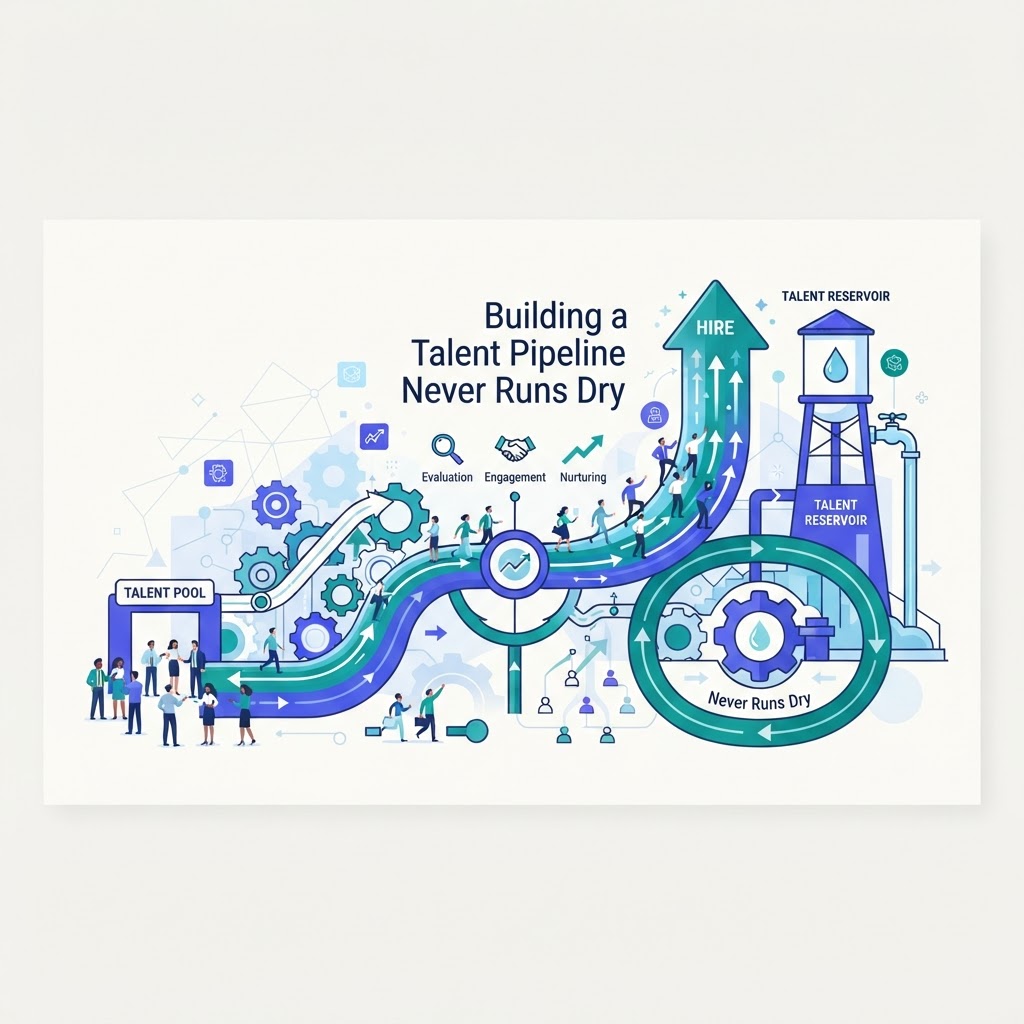
Most agencies have thousands of 'dark' contacts—candidates who were high quality but simply didn't fit the role at the time. Without a CRM to automate outreach, these individuals stay in the dark indefinitely. A modern CRM allows you to segment these lists based on skills, seniority, or last contact date. You can trigger automated, personalized check-ins that keep your brand at the top of their minds. When a new role opens, you aren't posting a job ad and praying for the right applicant; you are reaching out to a pre-warmed network that already trusts you.
Transforming Relationships into Revenue
Efficiency in recruitment is directly tied to the speed of information flow. When your entire team uses a shared system like RecruiterCRMFlow, you avoid the common pitfalls that plague disconnected agencies:
- Duplicated efforts where two recruiters contact the same candidate for different roles.
- Inconsistent communication that damages your agency's professional reputation.
- Missed follow-ups that lead to candidates accepting offers from competitors.
- Lack of visibility for management when high-value relationships go stagnant.
By ensuring that every touchpoint is logged, you create a feedback loop of continuous engagement. This doesn't just improve your candidate experience; it creates a predictable revenue stream because you are nurturing the talent that already exists within your ecosystem rather than constantly hunting for new leads.
The Path Forward
Relinquishing the chaos of manual tracking is the most significant step an agency can take toward scaling. Technology should handle the heavy lifting of data storage so that your recruiters can focus on the human side of the job: building trust and closing deals. When you stop losing contacts, you stop losing placements. By investing in a robust CRM, you are not just buying software; you are building a foundation for long-term growth and consistent performance in an increasingly competitive hiring market.