The Placement You Already Had — and Lost
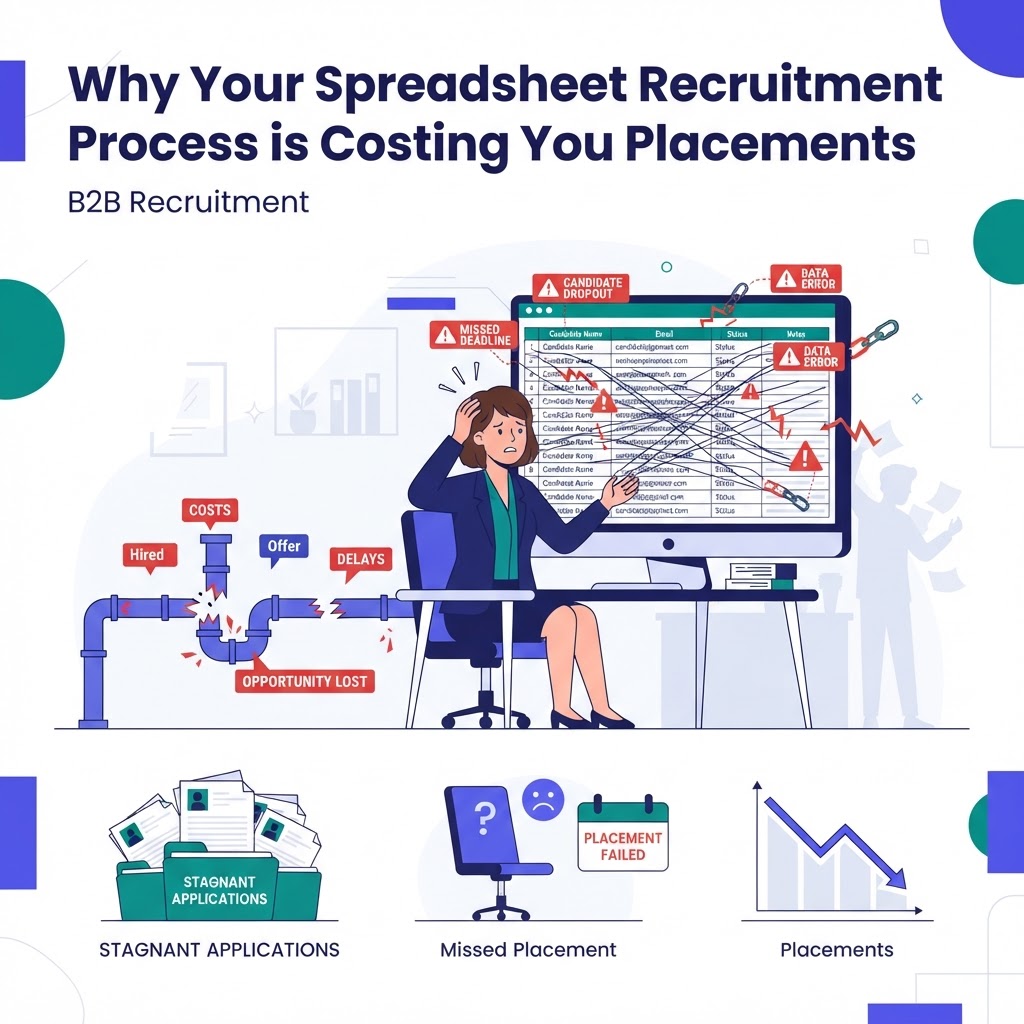
The most expensive placements are the ones you never made, with candidates you already knew. You had the conversation. You knew they were open to the right move. Then the contact went cold — not because the candidate lost interest, but because you lost track of them.
Contact loss is a silent killer of recruitment revenue. Here's why it happens and how to stop it.
How Contacts Get Lost
- Scattered communication. Notes live across email, WhatsApp, LinkedIn DMs, and notebooks. Six months later, no one can piece the relationship together.
- No follow-up cadence. Passive candidates need periodic touchpoints. Without reminders, they drift to competitors who do stay in touch.
- Recruiter turnover. When a recruiter leaves, their candidate relationships leave with them — unless those relationships live in a shared system.
- No central history. When a candidate finally replies to an old outreach, the recruiter who picks it up has no context and starts from scratch.
The Real Cost of a Lost Contact
Every lost contact is a potential placement fee gone — plus the sourcing time you'll spend replacing them. If your agency has 200 candidates and loses meaningful contact with 30% of them over a year, that's 60 relationships — and potentially 10–15 placements — quietly evaporating.
How a Recruiting CRM Keeps Every Contact Alive
- Unified communication log. Every call, email, WhatsApp, and meeting is recorded against the candidate record. Anyone on the team can pick up the relationship with full context.
- Automated reminders. Schedule follow-ups the moment you add a candidate, so passive contacts never go cold.
- Full interaction history. When a candidate resurfaces months later, you see every prior conversation instantly — no awkward "remind me where we left off."
- Shared, not personal. Contacts belong to the agency, not the individual recruiter. Turnover doesn't cost you relationships.
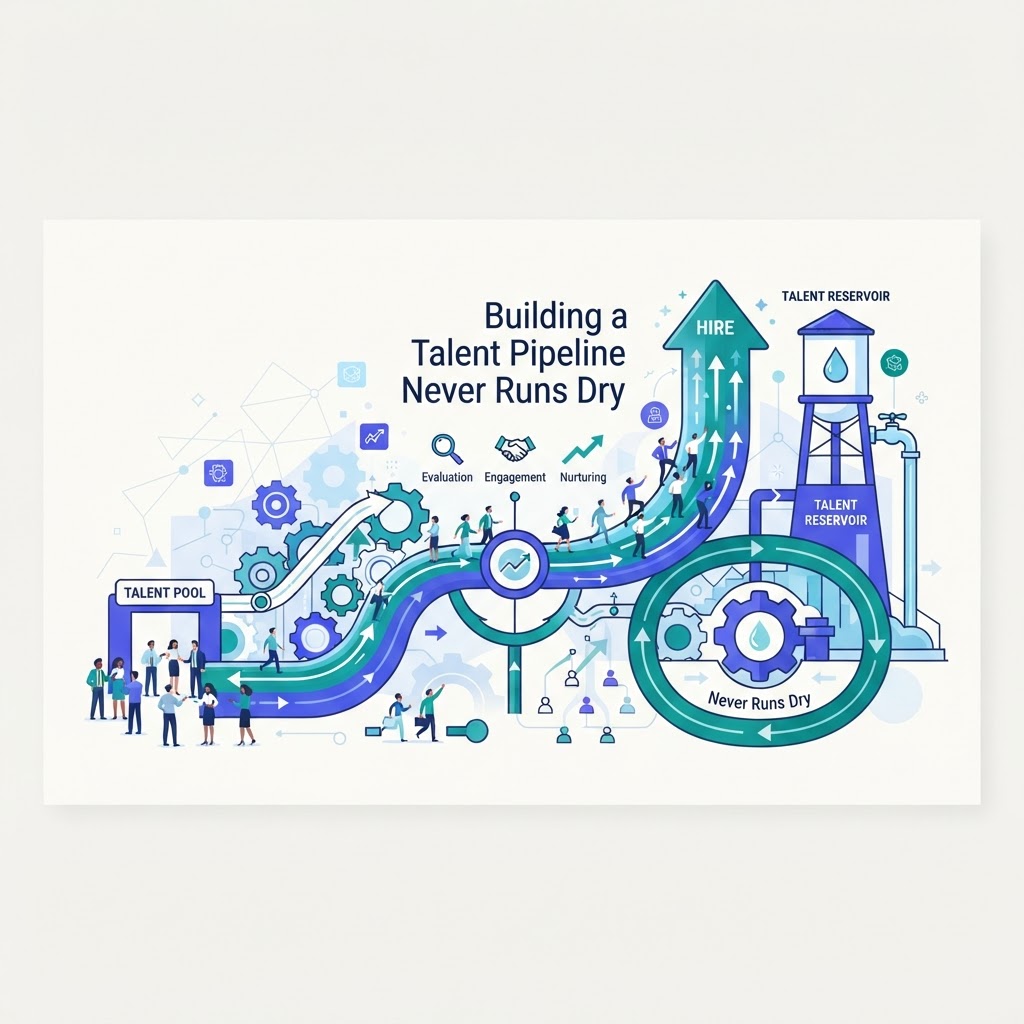
- Smart re-engagement. Talent pools let you segment passive candidates and message them in bulk the moment a relevant role opens.
The Bottom Line
In recruitment, your contact database is your business. If it lives in personal inboxes and memory, you're losing placements you already earned. A recruiting CRM turns scattered contacts into a durable, searchable, team-wide asset — so no relationship ever slips through the cracks again.