In the high-stakes world of recruitment, your database is your most valuable asset. Every candidate in your system represents a potential placement, a referral, or a future long-term client. Yet, many recruitment agencies continue to operate using a patchwork of spreadsheets, email folders, and sticky notes. When you fail to centralize your candidate interactions, you are not just being disorganized; you are actively losing money.
The Silent Cost of Fragmented Communication
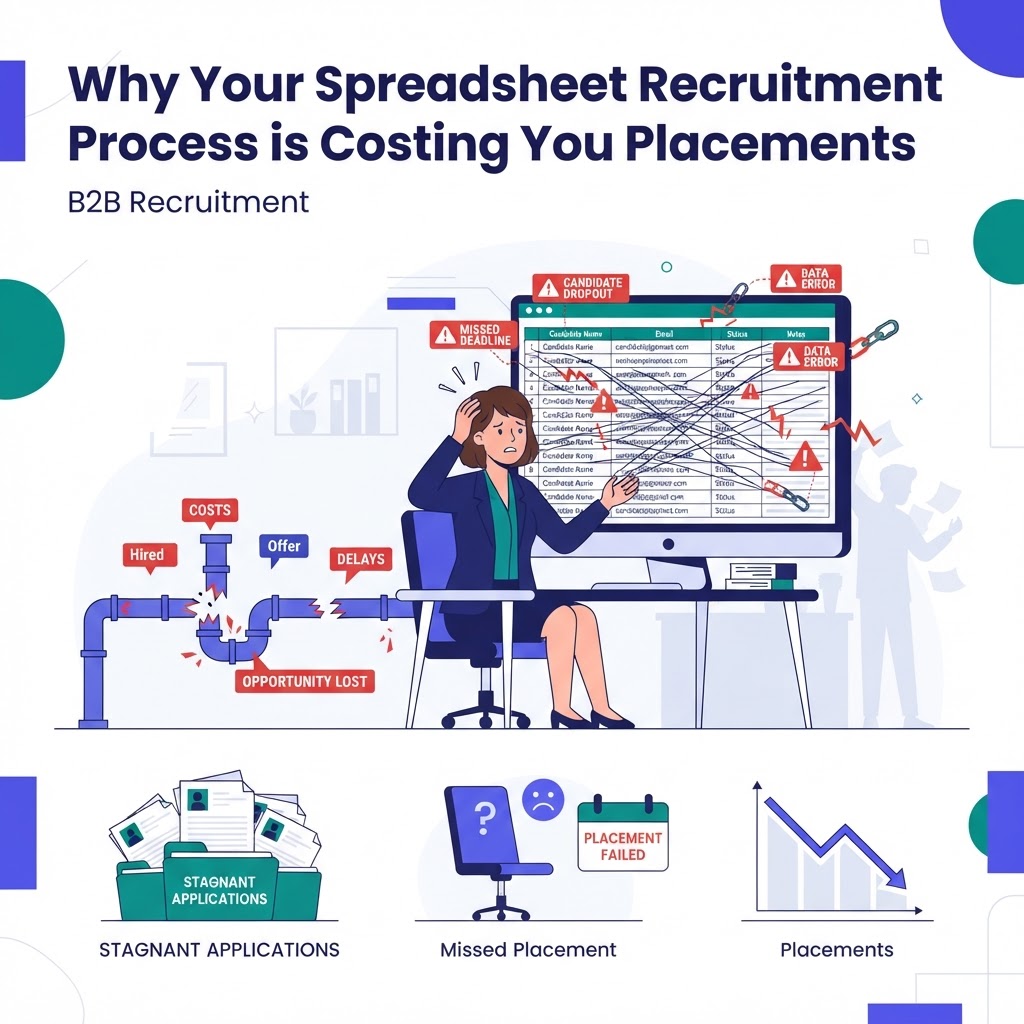
When information is siloed across different platforms, the "candidate experience" inevitably suffers. Imagine a candidate reaches out to follow up on an application, but your recruiter has no record of the previous phone call because it wasn't logged in a shared system. This lack of transparency signals to the candidate that they are just a number. Statistics show that nearly 60% of candidates who experience poor communication during the hiring process will drop out of contention entirely. Without a centralized hub like RecruiterCRMFlow, your team is essentially flying blind, missing critical touchpoints that build trust and loyalty.
Why Spreadsheets Fail Your Growth Strategy
Spreadsheets were never designed for complex relationship management. As your agency scales, the limitations of static documents become glaringly obvious. When you have ten recruiters pulling from the same pool of contacts, version control becomes a nightmare. Data decay happens rapidly; contact information goes stale, and previous interview notes become impossible to find. If a top-tier candidate reaches out to a recruiter who is currently on vacation, and there is no accessible history of that candidate’s preferences or history, that placement is effectively dead. A CRM acts as the single source of truth, ensuring that no matter who picks up the phone, the context is always available.
The Anatomy of a Lost Placement
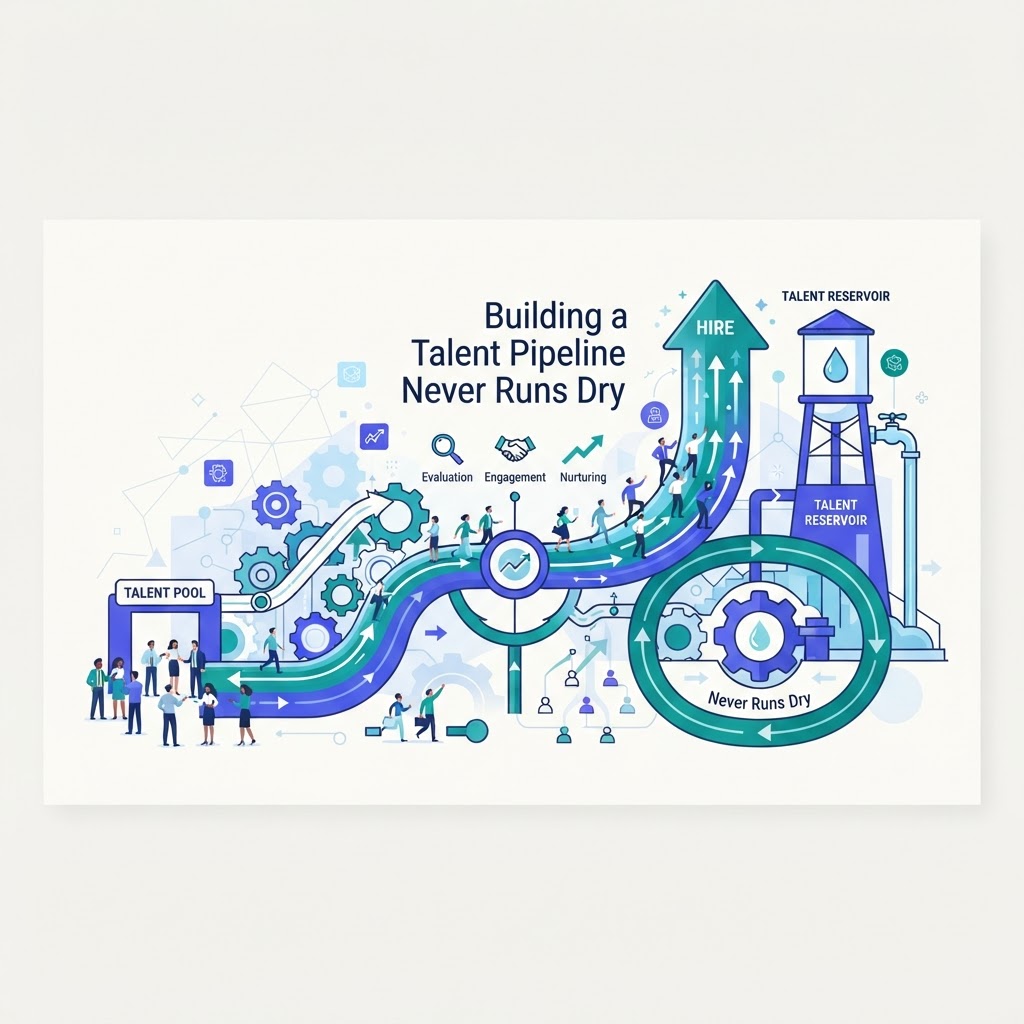
Most lost placements don't happen because of a lack of skill; they happen because of a lack of timing and follow-up. Consider this common scenario: a candidate is qualified but not quite right for a role today. Without a CRM to set automated reminders and track the relationship, that candidate enters the 'black hole' of your inbox. Six months later, when the perfect role opens, you have forgotten them, or they have already been placed by a competitor who kept in touch. RecruiterCRMFlow mitigates this by:
- Automating drip campaigns to nurture passive talent.
- Setting task reminders for consistent follow-up intervals.
- Tagging candidates by skill sets for instant retrieval when new job orders arrive.
- Providing a bird's-eye view of where every candidate stands in the pipeline.
Turning Data Into a Competitive Advantage
Recruitment is a relationship business, but it is also a data business. By logging every email, call, and note into a dedicated CRM, you create a searchable intelligence layer for your agency. You stop guessing and start leveraging historical data. When you know exactly how many touchpoints it takes to convert a passive lead into a submitted candidate, you can optimize your entire recruitment cycle. This visibility allows agency owners to identify bottlenecks in the process—whether it’s a specific recruiter struggling with outreach or a client with an unusually slow interview process—and address them before they become costly leaks in your funnel.
Elevating the Candidate Experience
Top talent expects a seamless hiring experience. They notice when you are organized, and they notice when you are frantic. When your recruiters have the ability to view a comprehensive history of a candidate's journey at a single click, the conversation changes from 'Can you remind me about your experience?' to 'I saw you mentioned an interest in this specific tech stack back in January; how has your work with those tools evolved?' This level of personalization creates instant rapport. By utilizing RecruiterCRMFlow to house your interactions, you move from being a transaction-focused vendor to a trusted career partner.
Conclusion: The CRM as Your Agency's Backbone
Your agency's potential is capped by the quality of your relationships. When you leave candidate engagement to chance or fragmented tools, you are leaving revenue on the table. Investing in a CRM is not merely an administrative upgrade; it is a strategic necessity for any agency that wants to compete in today's talent-short market. By centralizing communication, automating follow-ups, and building a scalable history of every connection, you ensure that no contact goes cold and no placement slips through the cracks.