In the fast-paced world of talent acquisition, the difference between a successful placement and a missed opportunity often comes down to a single missed email or a forgotten follow-up. For many recruitment agencies, candidate data resides in a chaotic mix of Outlook folders, desktop spreadsheets, and individual LinkedIn messages. When this information is siloed, you are not just losing data; you are losing revenue.
The Silent Drain of Fragmented Communication
Every time a recruiter fails to log a conversation, they create a blind spot in the agency's collective intelligence. Imagine a scenario where a senior developer, who was not quite ready to move six months ago, is finally ready to accept an offer today. If the recruiter who spoke to them previously has moved on or failed to document that specific interaction, the candidate feels ignored and disengaged. This friction point is the most common reason agencies see a 20-30% drop in candidate re-engagement rates. A lack of centralized history turns a warm lead cold in weeks.
Why Spreadsheets Are Not a Relationship Strategy
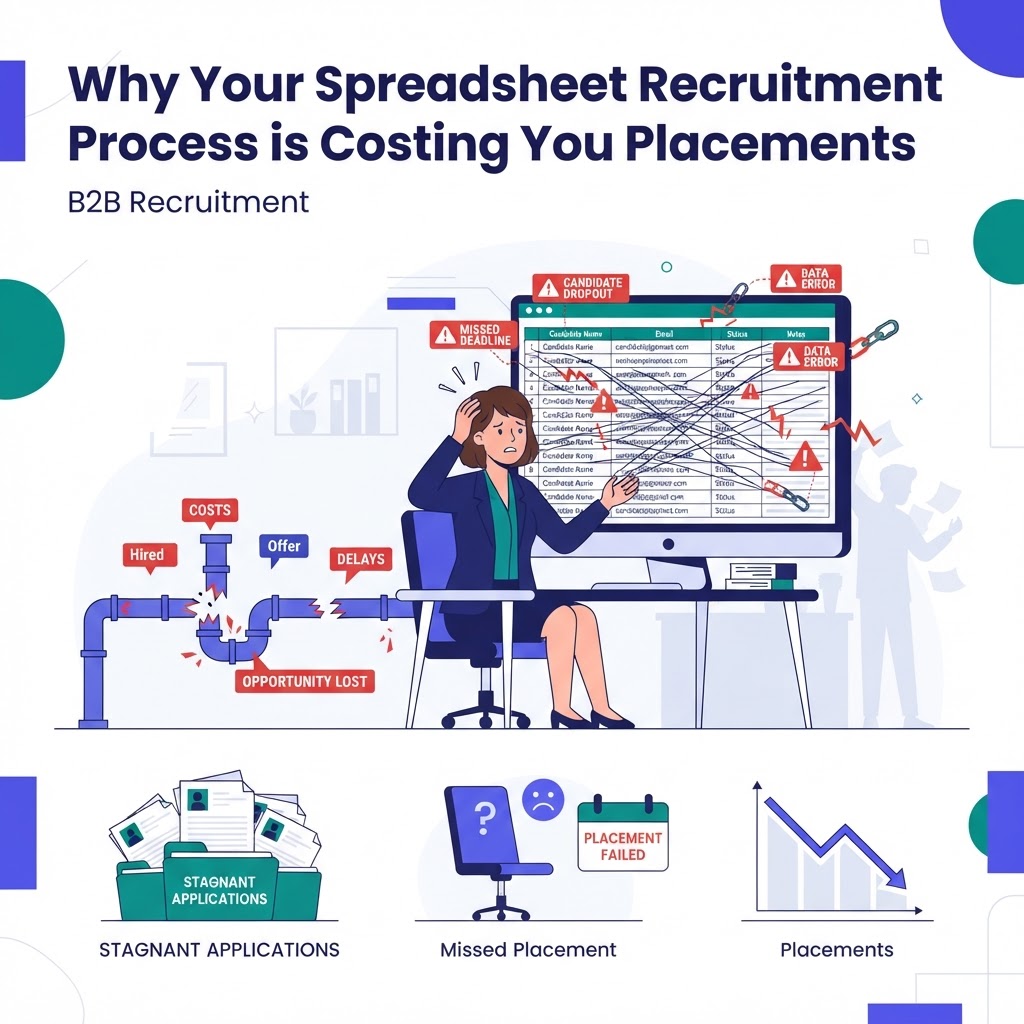
Spreadsheets are excellent for static lists, but they are disastrous for relationship management. They cannot alert you to follow-up dates, they do not track sentiment, and they certainly do not automate outreach. Relying on manual tracking means you are spending nearly 40% of your billable time performing administrative data entry instead of interviewing candidates or closing deals. By the time a recruiter realizes they missed a "check-in" date, the competitor who uses a platform like RecruiterCRMFlow has already presented the candidate with an offer.
Building a Relationship Backbone with RecruiterCRMFlow
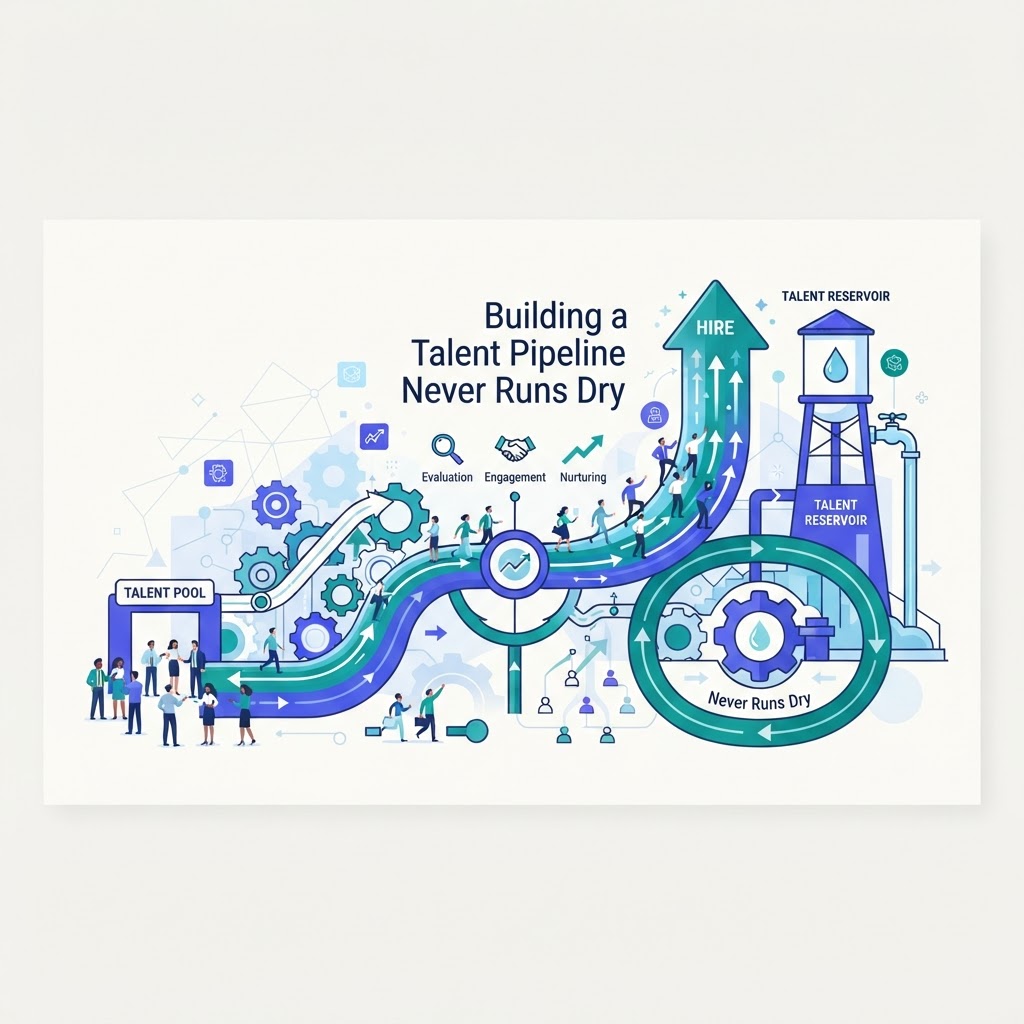
To move beyond transactional recruiting, you must treat your database as an asset rather than a graveyard of CVs. RecruiterCRMFlow serves as the central nervous system of your agency, ensuring that every touchpoint—from the first cold call to the final offer letter—is logged automatically. When communication is unified, the entire team gains visibility into the candidate journey. This means that if a lead recruiter is out of the office, any team member can pick up the conversation exactly where it left off without the candidate having to repeat their professional history.
Recovering Lost Revenue Through Automated Nurturing
Most placements are not made on the first attempt. They are made through persistent, value-driven engagement. Without a CRM, automated nurturing is impossible. You might intend to send a quarterly check-in email to your top 100 passive candidates, but without a system to trigger these events, the task falls by the wayside. RecruiterCRMFlow allows you to segment your talent pool and trigger personalized outreach based on specific criteria like job title, industry, or last contact date. Agencies using these automated workflows see an average of 15% higher placement volume compared to those relying on manual outreach.
Data Accuracy as Your Competitive Edge
In recruitment, your data is your product. If that data is corrupted by human error or outdated contact information, your outreach efforts are wasted. A robust CRM forces a standard of cleanliness; by integrating your email and phone systems directly into RecruiterCRMFlow, the data is verified in real-time. You stop wasting time chasing disconnected phone numbers or sending emails to abandoned addresses. Instead, you focus your energy on candidates who are responsive, qualified, and ready to be placed.
Final Thoughts: Invest in Visibility
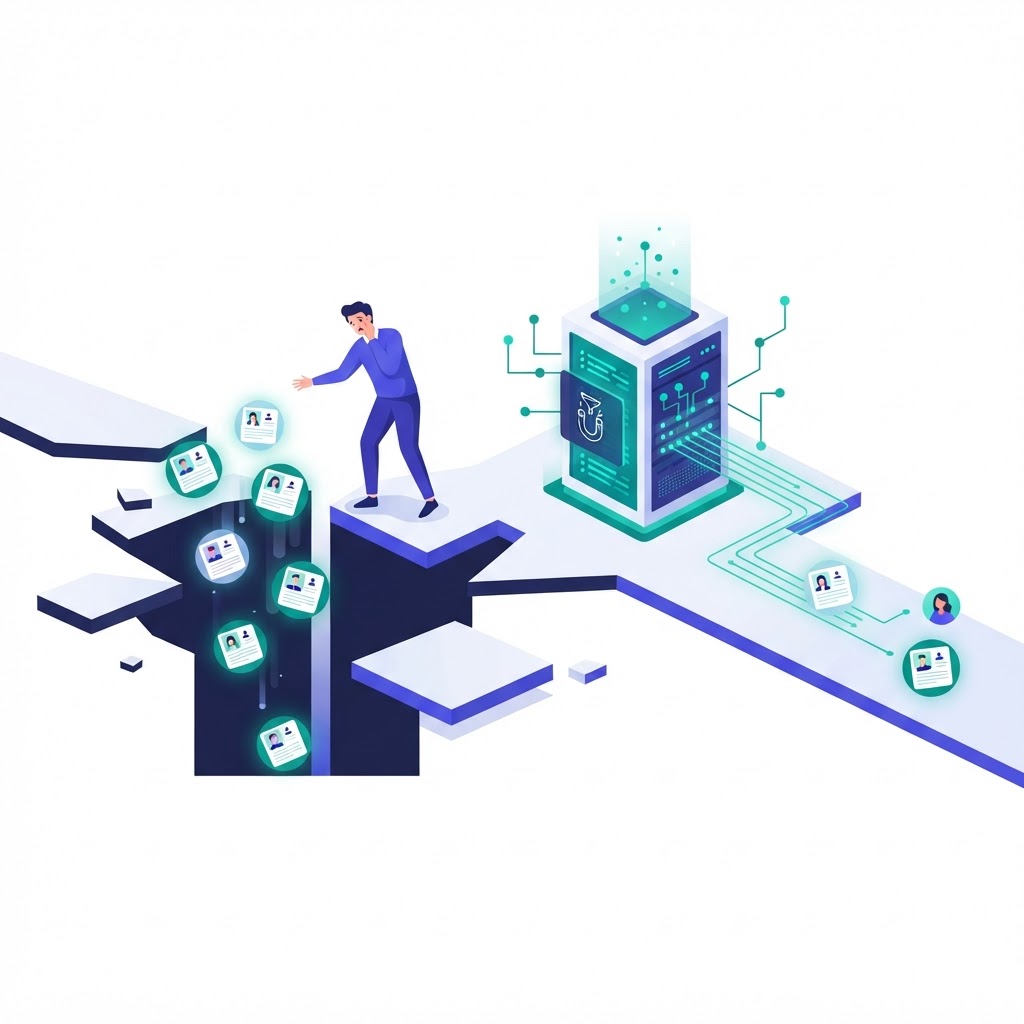
The cost of implementing a recruitment CRM is negligible compared to the cost of one missed placement fee. By transitioning your team to RecruiterCRMFlow, you transform your agency from a reactive, search-based business into a proactive, relationship-driven firm. Do not let your best candidates slip through the cracks—centralize your communication and ensure your agency remains the primary partner for the top talent in your niche.