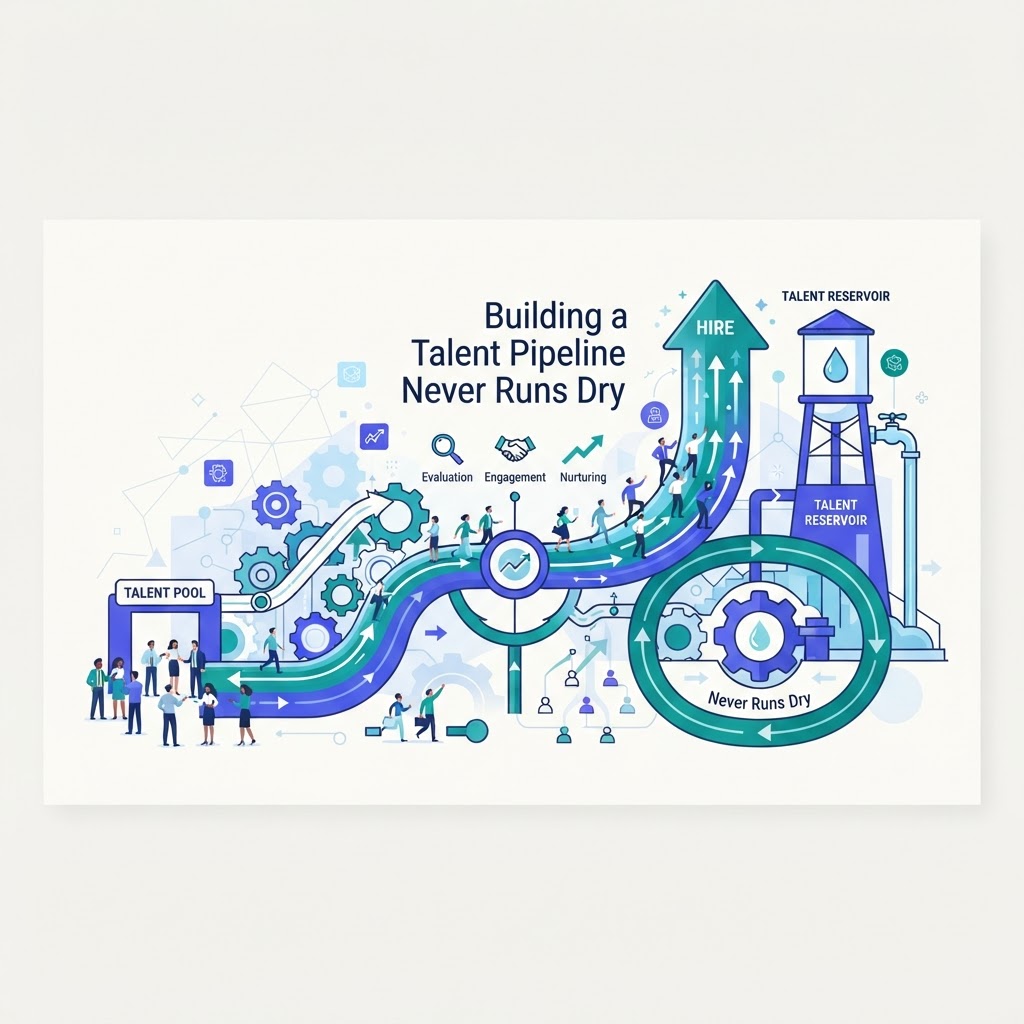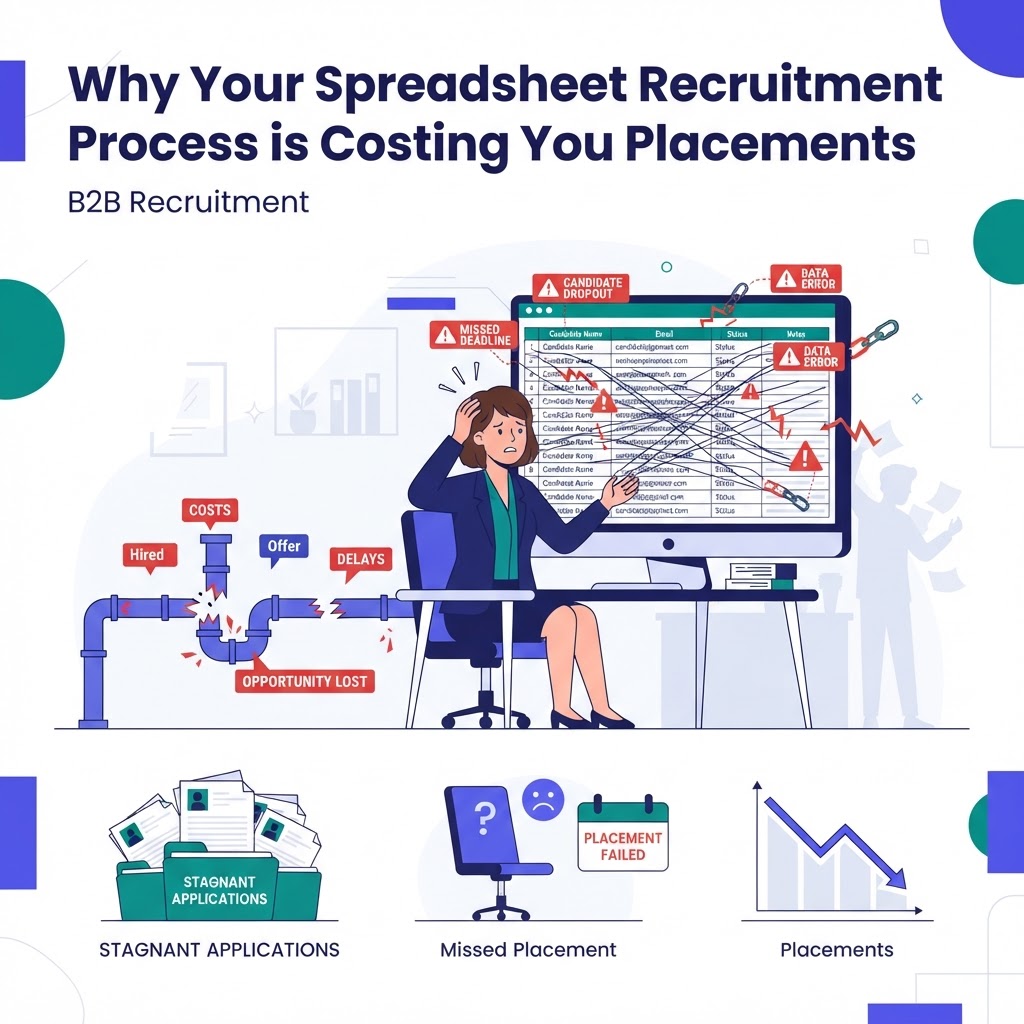
In the high-stakes world of recruitment, your database is your most valuable asset. Yet, for many agencies, this asset is leaking. When recruiters rely on disconnected spreadsheets, inbox searches, and memory to manage candidate relationships, the result is predictable: critical talent slips through the cracks, leads go cold, and placement commissions disappear. The cost of a lost contact is not just a single missed fee; it is the erosion of your agency's market reputation and the loss of long-term recurring revenue.
The High Cost of Fragmented Communication
When candidate data is siloed in individual recruiter email accounts or disjointed local files, the agency loses its collective intelligence. Imagine a scenario where a top-tier software engineer reaches out to your firm, but the recruiter they spoke with last year has moved on to a different role. Without a centralized system, that previous touchpoint is invisible. Your team is forced to restart the discovery process, appearing disorganized and unprofessional. Data shows that agencies using disconnected systems spend nearly 30% of their time on administrative data retrieval rather than active sourcing.
The Disappearing Act: Why Leads Go Cold
Recruitment is inherently about timing. A candidate may not be ready to move today, but they could be the perfect fit for a search in three months. Without automated follow-up workflows, those critical "keep-in-touch" moments are frequently forgotten. When a recruiter fails to nurture a relationship, they lose the candidate to a competitor who simply stayed present. This is where RecruiterCRMFlow becomes a revenue safeguard. By automating reminders and logging every interaction, you ensure that candidates remain engaged throughout the lifecycle of their career, not just when they are active on the market.
Centralization as the Relationship Backbone
Your CRM should act as the single source of truth for every candidate relationship. A robust platform allows your entire team to view the complete history of a candidate—from the initial outreach and interview notes to past placement details and feedback. This continuity changes the game. When a candidate feels known and understood, they are far more likely to remain loyal to your agency. Centralization eliminates the "he said, she said" confusion and ensures that every interaction is informed by the history of the relationship.
From Data Entry to Strategic Engagement
One of the biggest hurdles to CRM adoption is the perceived administrative burden. However, modern platforms like RecruiterCRMFlow are designed to reduce manual input. By integrating directly with email providers and calendars, the system logs communication automatically. This shifts the focus from tedious data entry to high-value strategic engagement. When you spend less time searching for notes and more time mapping candidates to the right clients, your placement-to-interview ratio inevitably improves.
Turning Lost Contacts into Future Placements
Many recruiters treat candidates as transactional "records" to be filed away. The most successful agencies treat them as long-term partners. Re-engaging "lost" contacts is one of the lowest-hanging fruits for increasing revenue. With a CRM, you can easily segment your database by skill set, location, or previous feedback, allowing for hyper-targeted reach-outs. You can identify who was passed over for a role last year but might be a perfect senior-level candidate for a role today. This proactive approach turns your inactive database into a thriving talent pool.
Conclusion: Stop the Leakage Today
You cannot manage what you cannot see, and you cannot place what you have lost touch with. In a competitive hiring landscape, your CRM is the foundation upon which your recruitment agency stands. By choosing to transition from fragmented spreadsheets to a centralized powerhouse like RecruiterCRMFlow, you safeguard your pipeline and turn every candidate interaction into an opportunity. Don't let your most valuable assets disappear into a digital black hole; centralize your communication and start converting your relationships into consistent, scalable placements.