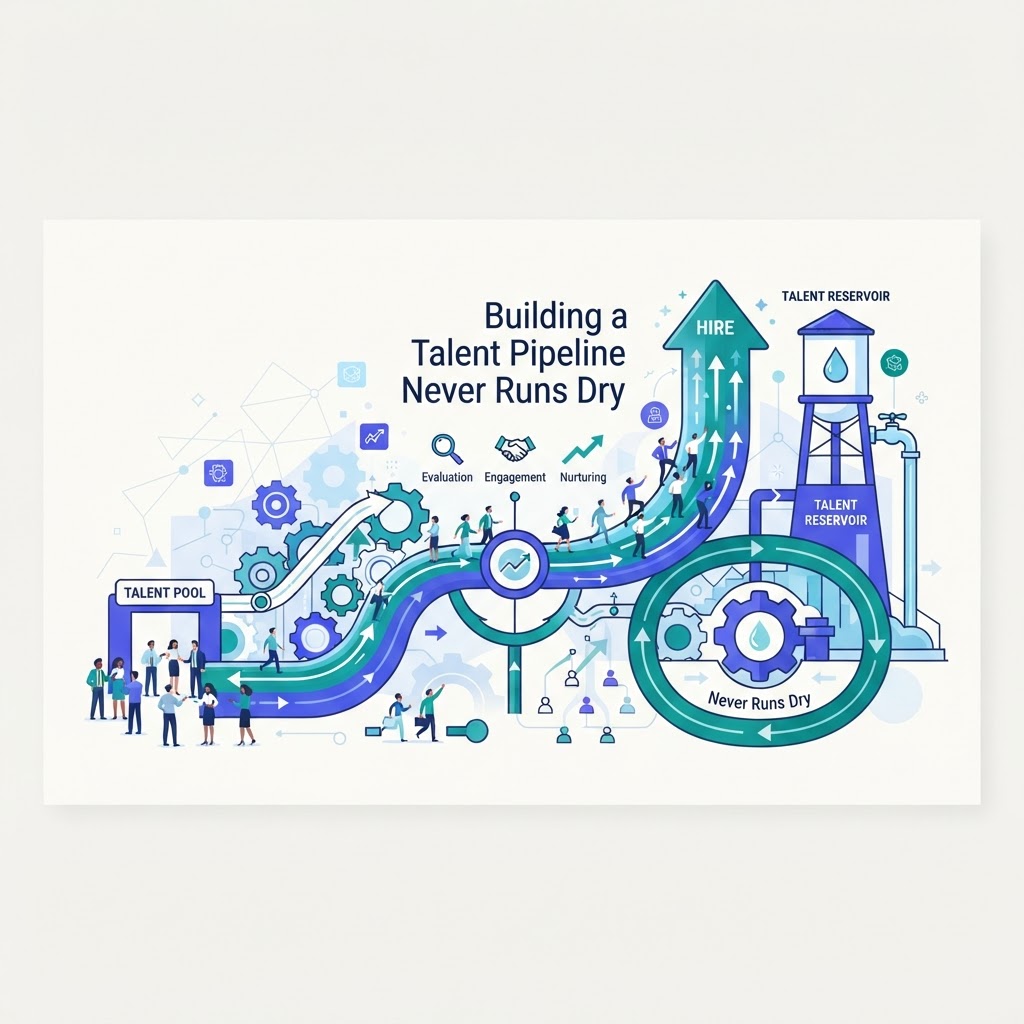
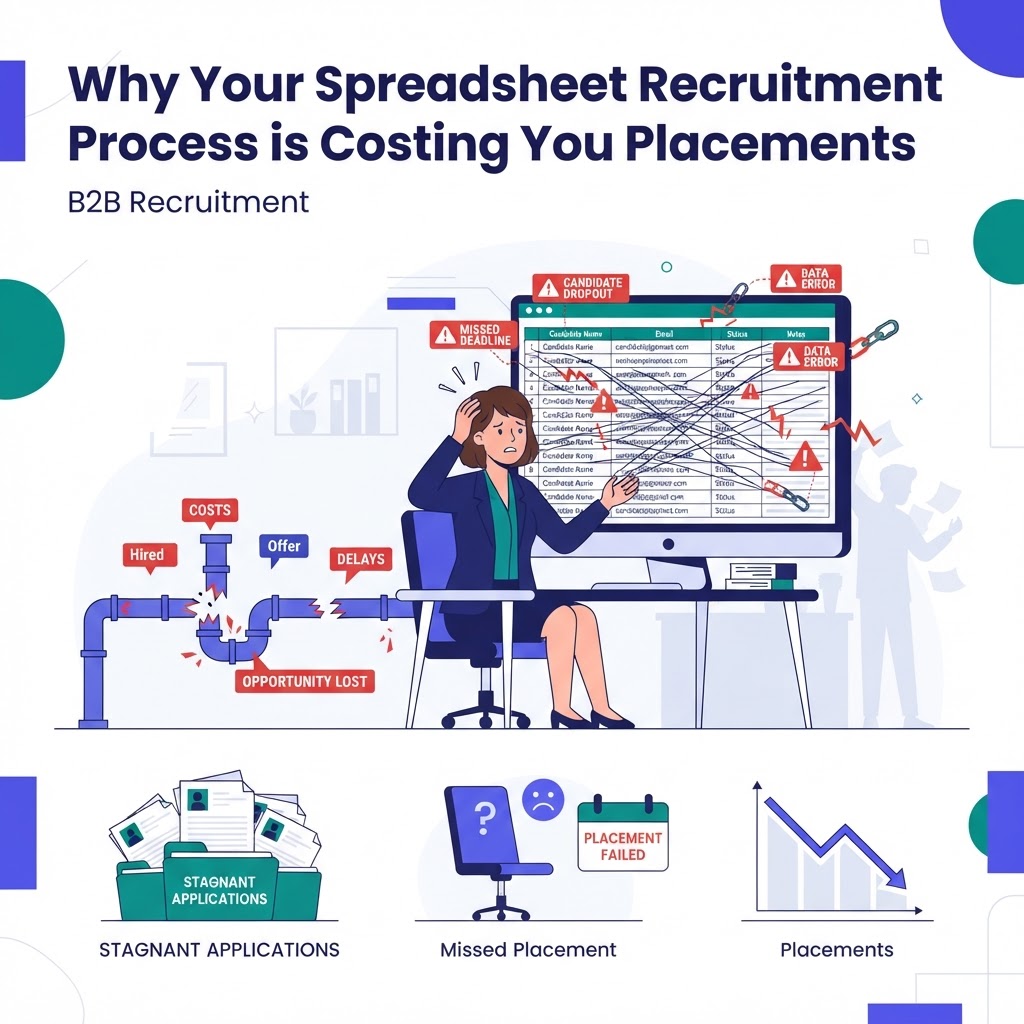
The Challenge of Managing a Recruitment Client Portfolio
Most recruiters juggle 10–30 active client relationships at any given time — each with different open roles, hiring preferences, communication styles, and deadlines. Without a system, things slip through the cracks.
What Does 'Managing a Client Portfolio' Actually Mean?
Effective client portfolio management means:
- Knowing the status of every open role at every client
- Remembering key contacts, their preferences, and past placements
- Tracking outstanding fees and contract values
- Following up at exactly the right moment — not too early, not too late
How a Recruitment CRM Organises Your Client Portfolio
Centralised Company Profiles
Every client gets a dedicated profile containing: company details, hiring managers, open jobs, placement history, communication logs, and contract value. One place. Everything.
Job-Linked Pipelines
Each open role links directly to an ATS pipeline showing which candidates are at which stage. Your clients can see exactly how their search is progressing.
Communication History
Log every call, email, and meeting against the client record. Before every client call, you can review exactly what was discussed last time — a game-changer for relationship building.
Automated Follow-Up Tasks
Set tasks and reminders tied to specific clients: "Follow up on second-round interview feedback", "Check if Q4 headcount budget has been approved". Never drop the ball again.
Tier Your Clients for Maximum Revenue
Not all clients are equal. Use your CRM to segment clients by:
- Annual revenue generated
- Volume of open roles
- Ease of working relationship
- Growth potential
This lets you allocate your time and energy to the clients that drive the most value.
Key Metrics to Track per Client
- Number of placements made (this year vs. last year)
- Average time-to-fill per role
- Offer acceptance rate
- Revenue and fee percentage
- Candidate retention at 3, 6, and 12 months
Conclusion
Your client portfolio is your revenue engine. A recruitment CRM gives you the visibility, structure, and automation to manage it at scale without burning out.
The best recruiters don't work harder — they work with better systems.