In the modern competitive labor market, the most desirable talent is rarely actively searching for a new job. While your job boards and LinkedIn postings attract a steady stream of active applicants, research suggests that over 70% of the global workforce consists of passive candidates who are currently employed and open to the right opportunity if approached correctly. Ignoring this massive demographic means you are fighting for the same 30% of active job seekers as every other recruiter, significantly limiting your reach and your quality of hire.
The Strategic Advantage of Passive Sourcing
Passive candidates offer a unique value proposition: they are already vetted by their current employers and have a stable work history. When you source these individuals, you are not waiting for them to find you; you are identifying professionals who meet your specific criteria regardless of their current status. This shift from reactive to proactive recruitment transforms your agency from an order-taker to a strategic talent partner. By engaging these individuals, you gain access to top-tier talent that is invisible to your competitors.
The Cost of Losing Talent to Inaction
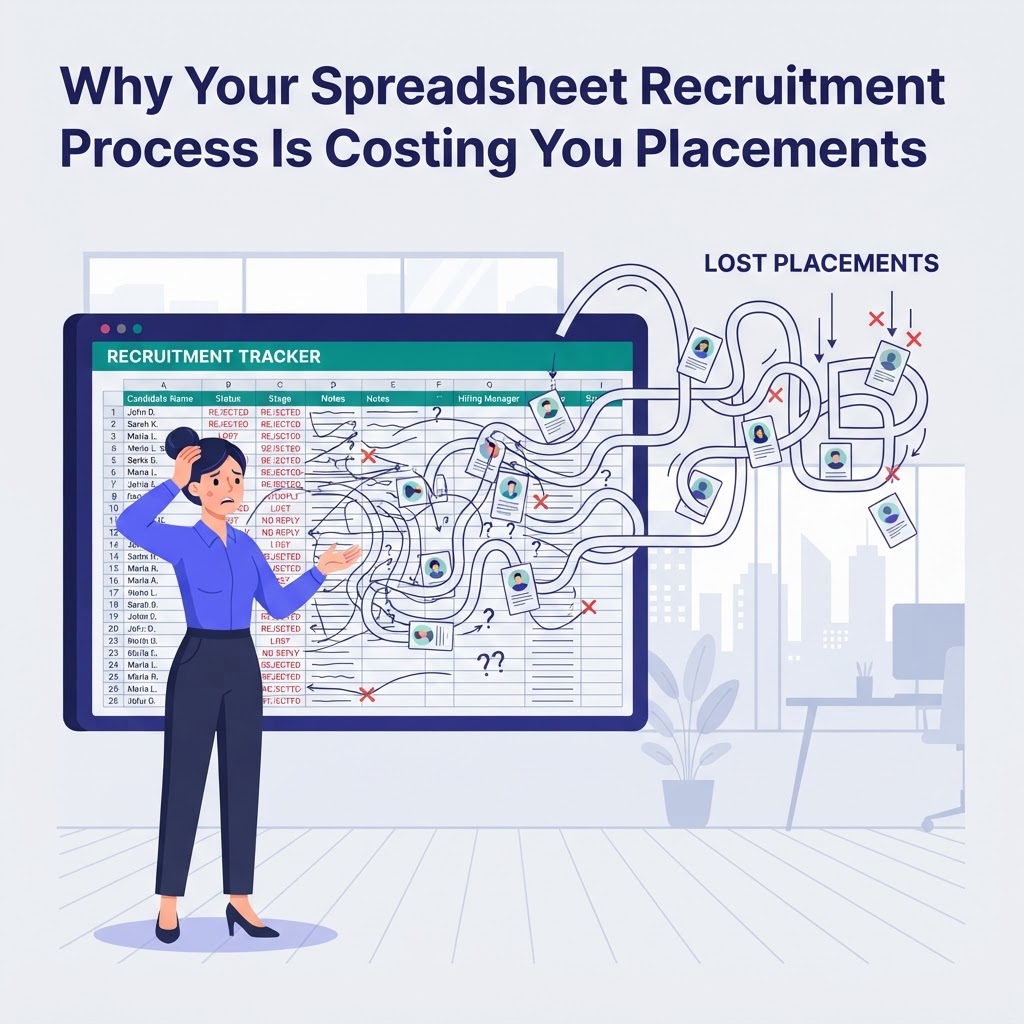
Many recruiters treat the sourcing process as a one-time transaction. They find a profile, send a message, get a rejection, and move on. This is a massive mistake. Without a centralized system like RecruiterCRMFlow, valuable talent connections disappear into the ether of forgotten browser tabs and email threads. Every time you fail to capture candidate data, track interaction history, or set a follow-up reminder, you lose future revenue. RecruiterCRMFlow ensures that every lead is archived, allowing you to re-engage prospects months down the line when their circumstances—or your job requirements—inevitably change.
Building Long-Term Relationships Through Nurturing
Passive candidates require a different rhythm of communication than active applicants. They do not need an immediate interview; they need a reason to stay connected to your agency. Successful nurturing involves sharing relevant industry insights, market trends, or personalized check-ins. If you reach out only when you have an urgent role to fill, you will be ignored. Instead, use your CRM to automate periodic touchpoints that keep your brand top-of-mind, ensuring that when the candidate eventually decides to make a move, you are the first recruiter they call.
Leveraging Data to Power Your Talent Pools
Segmenting your database is the difference between spam and meaningful networking. By categorizing candidates by industry, skill set, and seniority within a robust CRM, you can deliver highly targeted messaging that resonates with specific segments. If you are hiring for a Senior Python Developer, you should be able to instantly query your talent pool for anyone with that experience level. RecruiterCRMFlow enables this granular tracking, turning a static list of names into a dynamic asset that saves your team dozens of hours of manual search time each week.
Turning Passive Sourcing into a Scalable Process
To make passive sourcing work at scale, consistency is king. You should aim to incorporate these best practices into your daily workflow:
- Identify top talent in niche industries and log their profiles immediately.
- Personalize every initial outreach attempt based on the candidate's recent projects or publications.
- Set automated task reminders for follow-ups at 30, 60, and 90-day intervals.
- Tag candidates based on their current sentiment and specific career aspirations.
- Leverage your CRM’s historical data to track which outreach methods yield the highest response rates.
Conclusion: Your CRM as a Competitive Moat
The gap between agencies that struggle to fill roles and those that consistently win is often determined by the depth of their proprietary talent pools. By focusing on passive candidates and nurturing them within a specialized platform like RecruiterCRMFlow, you build a sustainable, recurring source of candidates that your competitors cannot access. Stop treating your database as an afterthought and start viewing it as the most valuable asset in your recruitment agency.