In the hyper-competitive world of recruitment, the difference between a high-performing agency and one that struggles to fill requisitions often comes down to one factor: the integrity of the candidate pipeline. Many recruiters operate on a system of spreadsheets, email threads, and sticky notes, unaware that they are essentially watching top-tier talent slip through cracks in their process every single day. This 'pipeline bleed' is silent, costly, and entirely avoidable.
The Anatomy of a Pipeline Leak
Pipeline leaks occur when communication gaps, delayed feedback, or simple administrative friction cause candidates to drop out. Statistics suggest that top-tier talent is typically off the market within ten days of being contacted. If your workflow involves manual data entry or hunting for a candidate's last email status, you are likely missing that ten-day window. Every hour spent searching for information is an hour a competitor spends building a relationship with your prospect.
When a candidate feels like just another number in an disorganized queue, they lose interest. Whether it is a slow response to an initial outreach or a confusing interview scheduling process, the candidate experience directly correlates to your conversion rate. When you lose a candidate, you don't just lose a placement fee; you lose the time invested in sourcing, screening, and nurturing that relationship.
Why Spreadsheets Are Recruiting Black Holes
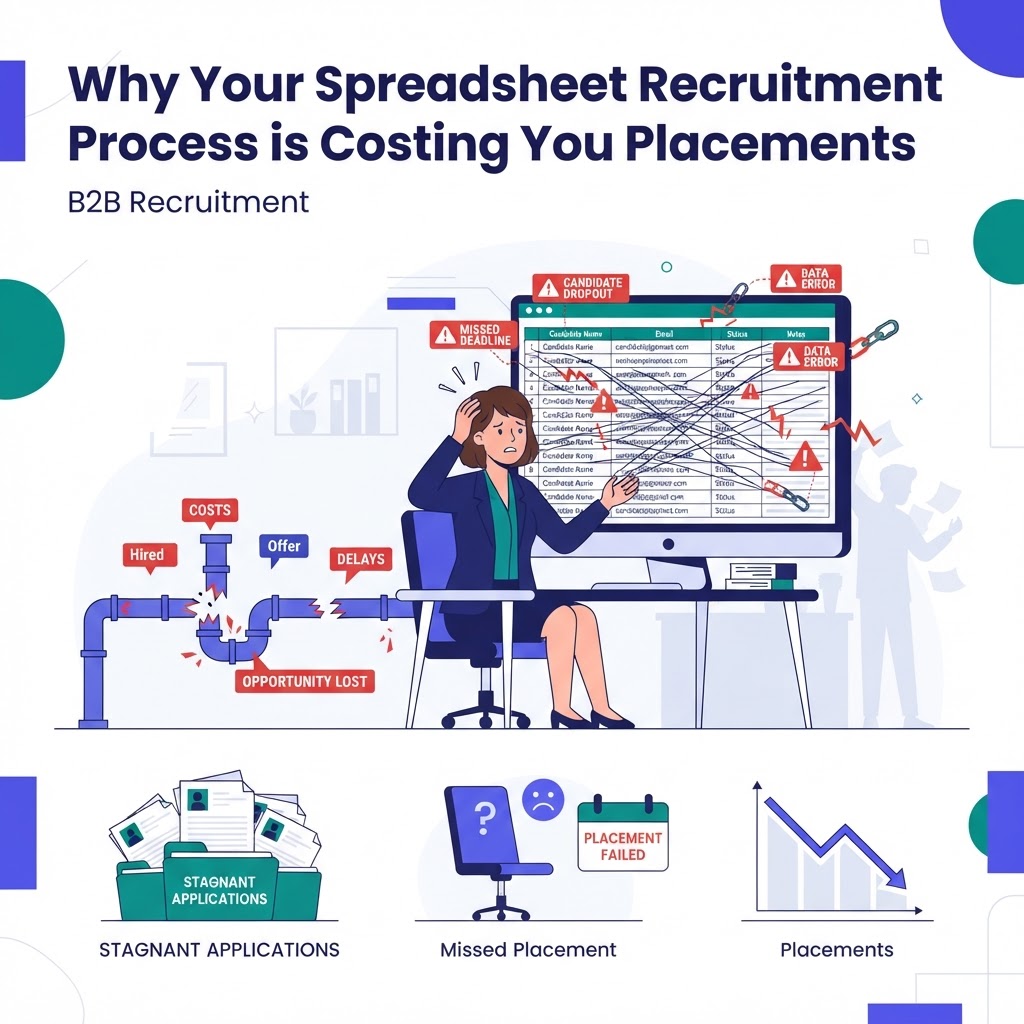
Many agencies rely on spreadsheets to manage their candidate workflows. While functional for a tiny volume of applicants, they fail the moment your operation scales. Spreadsheets do not provide reminders, they do not automate outreach, and they certainly do not provide a centralized history of engagement. A spreadsheet is a static document, whereas a recruitment process is a dynamic, living relationship.
In a spreadsheet-based environment, data silos are inevitable. One recruiter might have a candidate in their inbox while another recruiter is sourcing the same person on LinkedIn. This redundancy not only creates an unprofessional impression for the candidate, but it also creates internal friction, leading to wasted effort and double-handling that drains the agency's bottom line.
Centralizing Your Talent Intelligence with a CRM
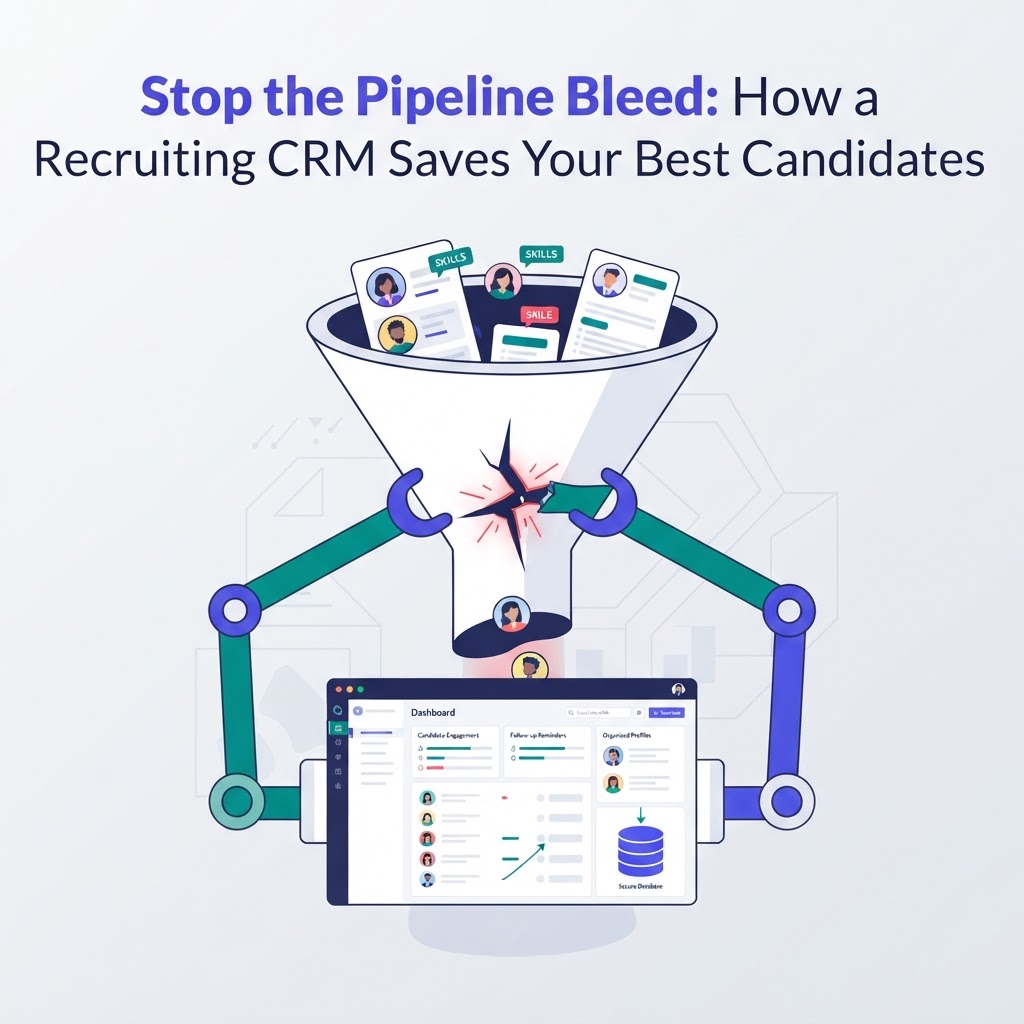
This is where a purpose-built recruiting CRM like RecruiterCRMFlow becomes a competitive necessity. Instead of fragmented data, a CRM provides a single source of truth. Every touchpoint, every email, and every interview note is consolidated into a candidate profile that is accessible to the entire team.
By centralizing intelligence, you ensure that no candidate is ever forgotten. When you implement a CRM, you gain:
- Automated reminders for follow-ups to ensure you never miss a touchpoint.
- Real-time visibility into the status of every candidate in your pipeline.
- Centralized communication logs so any team member can pick up a conversation instantly.
- Data-driven insights into where candidates are dropping off in your funnel.
Turning Passive Candidates into Placements
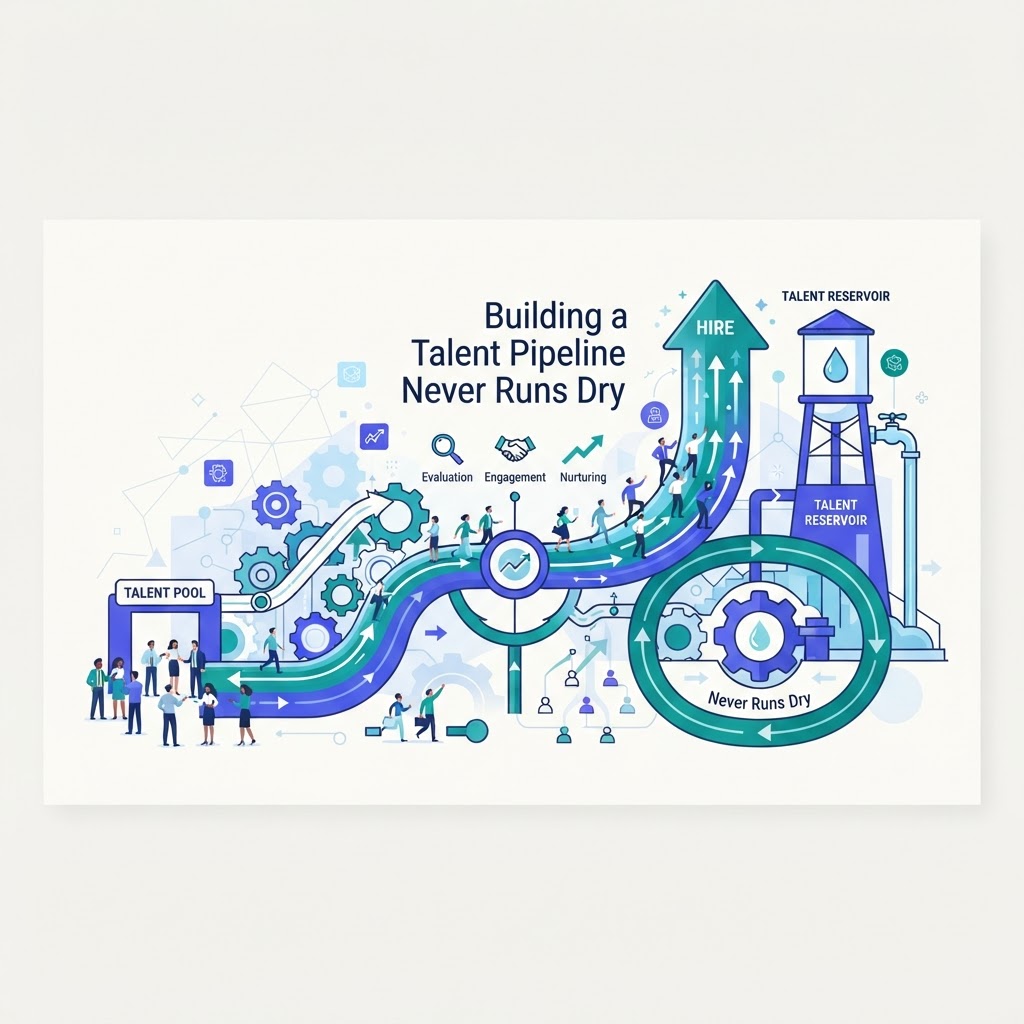
Top-tier talent is rarely actively searching for a new role. These 'passive' candidates require long-term nurturing. Without a CRM, these relationships wither. You might remember to follow up once or twice, but without a automated cadence, you will eventually stop reaching out. RecruiterCRMFlow automates these nurturing sequences, allowing you to stay top-of-mind with high-quality candidates even when you don't have an immediate role for them.
By maintaining consistent, value-driven contact, you turn your CRM into a repository of talent that is ready to engage when the right opportunity arises. You are no longer scrambling to source from scratch for every new requisition; you are tapping into a warm network that you have meticulously built over time.
Measuring and Optimizing the Recruiting Funnel
Beyond simply holding contact information, a CRM allows you to audit your recruiting funnel for efficiency. You can easily track metrics such as time-to-hire, drop-off rates at different stages, and recruiter performance. If you notice that fifty percent of your candidates drop off after the first interview, you now have the data to identify the bottleneck.
Actionable insights provided by a CRM allow you to refine your pitch, improve your vetting process, and ultimately increase your placement velocity. By shifting from reactive firefighting to proactive pipeline management, you transform your recruiting process from a bottleneck into a growth engine.
Conclusion
In recruitment, velocity is everything. You cannot afford to lose high-value candidates to administrative disorganization or forgotten follow-ups. Pipeline leaks are not just a nuisance; they are a direct hit to your revenue. By moving away from manual tracking and adopting a comprehensive recruiting CRM like RecruiterCRMFlow, you stop the bleed, improve your candidate experience, and empower your team to focus on what they do best: building relationships and closing placements.