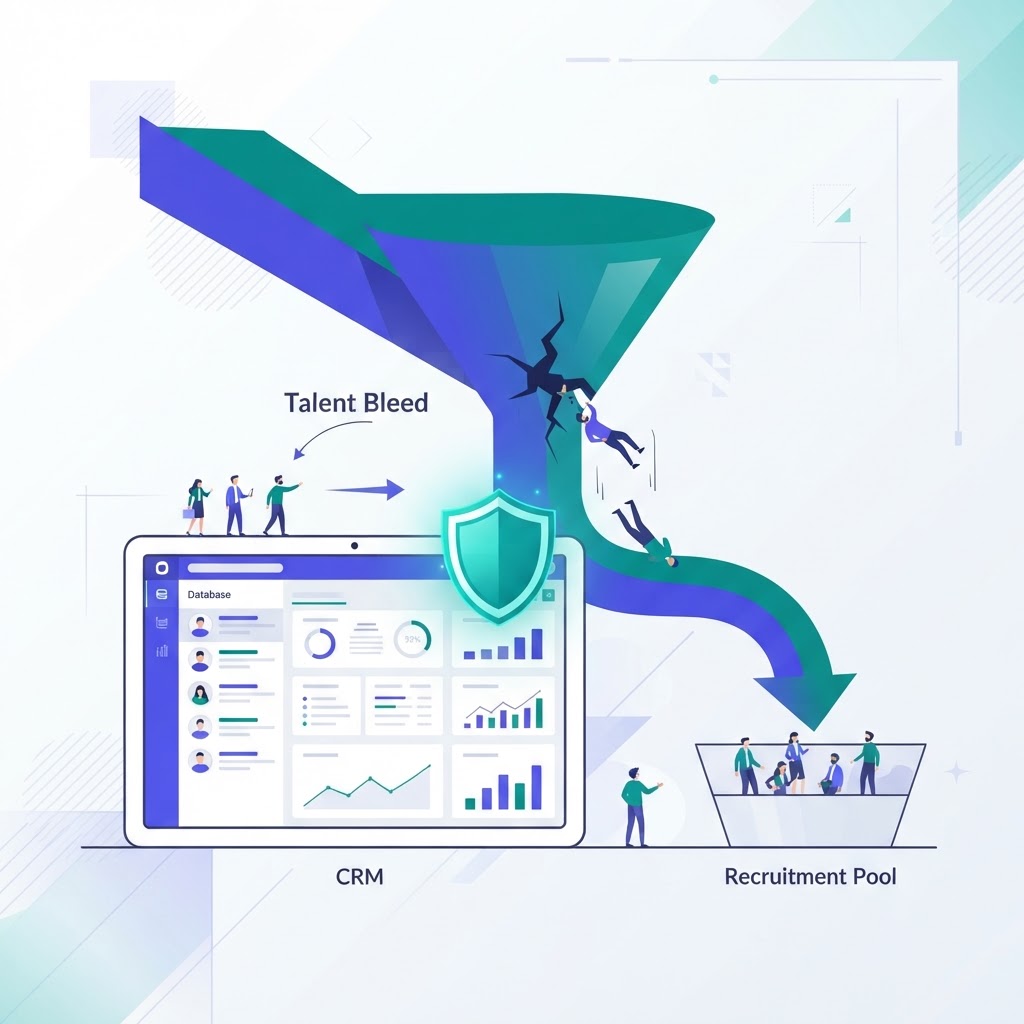
In the modern recruitment landscape, speed and relationship management are not just competitive advantages—they are the baseline for survival. Yet, many agencies continue to operate with fragmented processes, relying on scattered spreadsheets and disconnected email threads. This disorganized approach leads to a phenomenon known as the 'pipeline leak,' where highly qualified candidates fall through the cracks, resulting in lost placements, damaged brand reputation, and significant revenue decline.
The Silent Cost of the Pipeline Leak
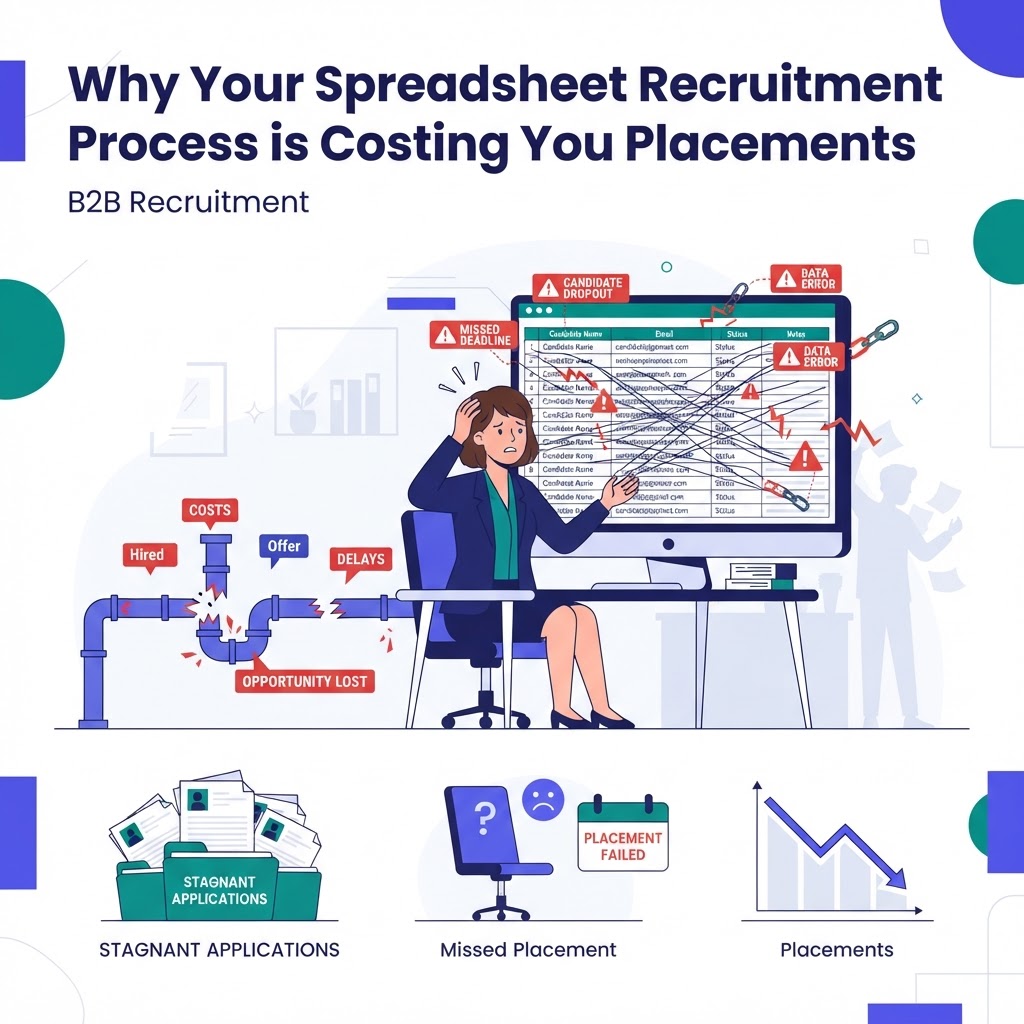
Every day that a candidate sits in an inbox waiting for a response, their likelihood of accepting another offer increases significantly. Studies show that top talent remains on the market for an average of only ten days. When recruiters lack a centralized tracking system, follow-up tasks are missed, and communication gaps emerge. These leaks are often silent; you rarely hear from the candidate who simply moved on because they felt ignored. Over a fiscal year, losing just one candidate per month due to administrative disorganization can translate to thousands of dollars in lost commission, not to mention the opportunity cost of failing to fill roles for high-value clients.
Why Spreadsheets Fail Your Growth Strategy
Many recruiters start by tracking candidates in spreadsheets, but as the volume of applicants increases, this manual method quickly reaches a breaking point. A spreadsheet cannot alert you to a missed follow-up. It cannot visualize the health of your candidate pool or track the nuance of a relationship over months of engagement. When you rely on static documents, you are forced to work reactively. You spend more time updating cells than having meaningful conversations. A recruiting CRM, such as RecruiterCRMFlow, transforms your workflow by turning static data into an active, automated asset that prompts action when it is actually needed.
Automating the Candidate Relationship
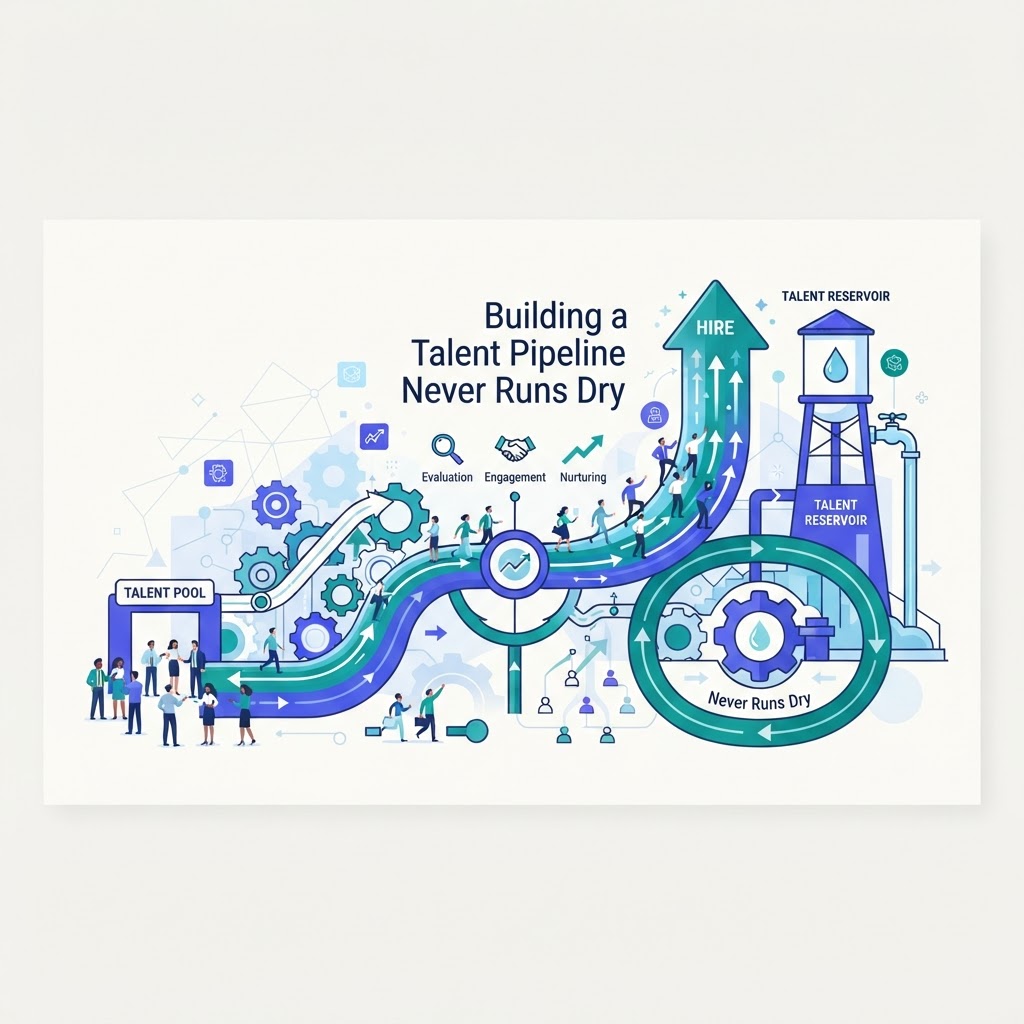
Maintaining a relationship with passive candidates is arguably the hardest part of a recruiter's job. Without a CRM, checking in with a candidate three months after your last conversation is a monumental administrative task. With RecruiterCRMFlow, you can set automated reminders and engagement sequences that keep your agency top-of-mind without manual intervention. By nurturing talent consistently, you build a loyal network of candidates who think of you first when they are ready for their next career move.
Centralizing Data to Prevent 'Ghosting'
One of the most common reasons candidates lose interest is the feeling that they are just another entry in a database. When a recruiter has to dig through email history to remember where a candidate is in the process, the experience feels disjointed. A centralized CRM keeps the entire recruitment history—notes, feedback, previous conversations, and assessment scores—in one location. This transparency ensures that any team member can step in to provide a high-touch, informed update, preventing the negative candidate experience that leads to 'ghosting' and disengagement.
Data-Driven Decision Making
Without a tracking system, you are essentially guessing which recruitment channels provide the highest quality talent. Are your LinkedIn leads converting? Is your email outreach actually getting responses? RecruiterCRMFlow provides deep analytics that highlight exactly where your pipeline is losing steam. By identifying these bottlenecks, you can refine your messaging, improve your speed-to-hire metrics, and double down on the strategies that actually yield results. Instead of working harder, you begin working smarter by focusing your energy on the areas of your process that generate the highest ROI.
Conclusion: Future-Proofing Your Agency
The difference between an agency that struggles to keep its head above water and one that dominates the market often comes down to internal systems. Plugging your pipeline leaks is not just about keeping organized; it is about respecting the time and potential of the talent you represent. By adopting RecruiterCRMFlow, you regain control over your recruitment lifecycle, eliminate manual errors, and foster the human connections that lead to sustainable, long-term agency growth. Start treating your candidate database as a strategic asset, and stop losing your most valuable resource to administrative inefficiency.