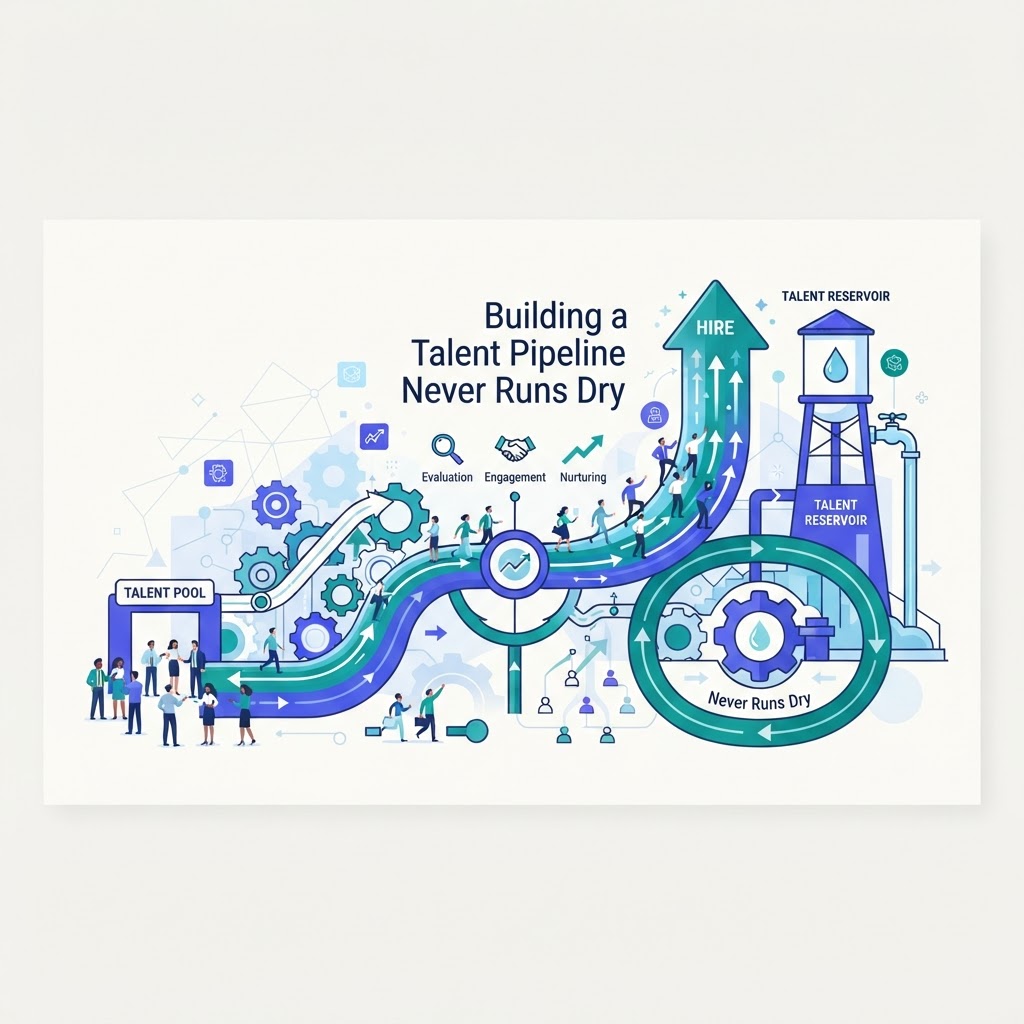
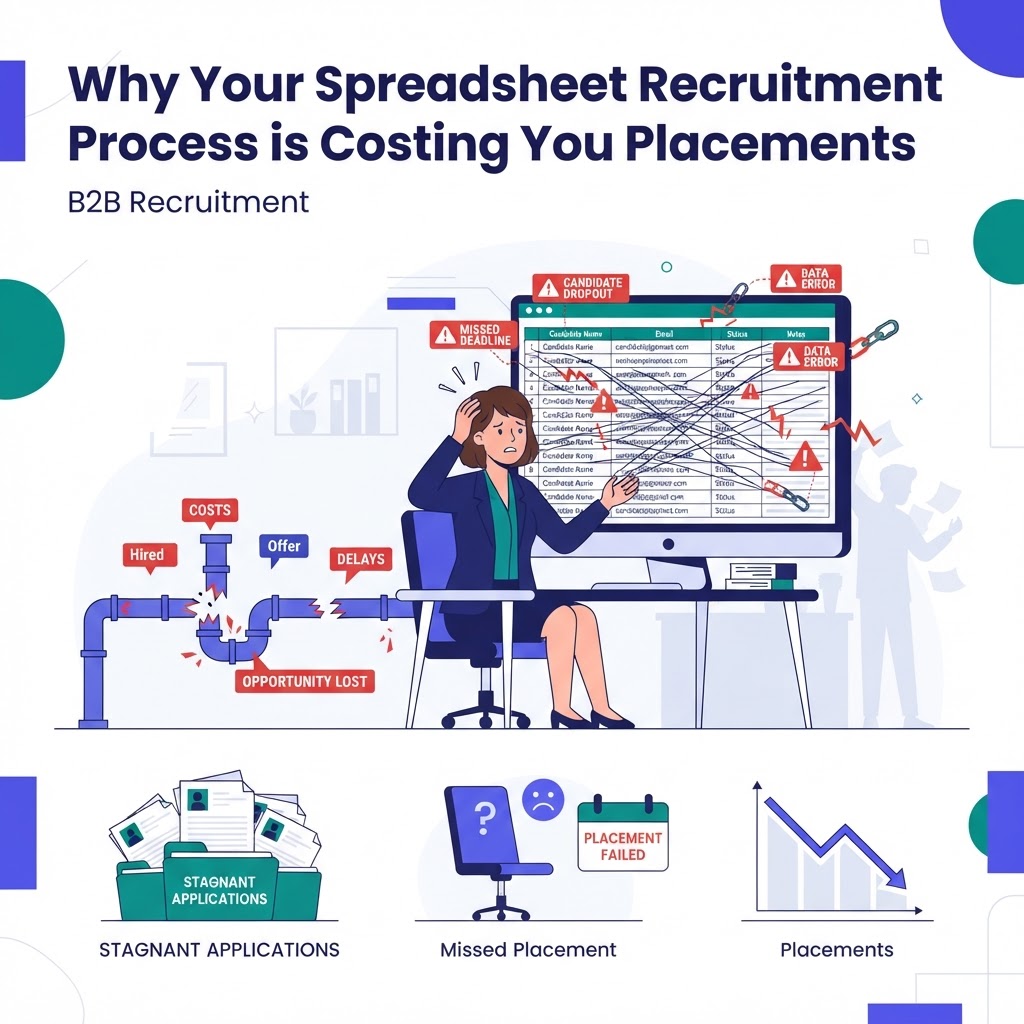
Transitioning to a new technology stack is often viewed as a daunting hurdle, but a well-executed recruiting CRM implementation is the single most effective way to scale your agency's output. By moving away from fragmented spreadsheets and legacy databases, recruiters can centralize communication, automate follow-ups, and ultimately shorten the time-to-hire. The key to a successful rollout is not just choosing the right software, but following a structured roadmap that keeps your team operational throughout the migration process.
Establishing a Strategy for Recruiting CRM Implementation
The first step in any successful deployment is defining exactly what 'success' looks like for your agency. Before you touch the software, conduct a 30-minute audit of your current recruitment workflow. Identify the bottlenecks—are your recruiters spending 40% of their day manually data-entering candidates? Are you losing talent because of slow response times? By quantifying these inefficiencies, you create a baseline to measure your new ROI. For instance, if your team currently spends 10 hours a week on manual resume parsing, set a goal to reduce this by 80% within the first month of using RecruiterCRMFlow.
Preparing Your Data for Migration
Data migration is where most agencies encounter friction. Do not simply export every single candidate record from your old system; use this opportunity to clean your house. Focus on 'Quality Over Quantity' by deleting duplicate profiles and archiving candidates who haven't been active in over two years. A clean database leads to higher search accuracy and faster internal processes. Use a CSV validation tool to ensure your data mapping aligns with the fields in your new platform. Proper data hygiene ensures that when your team logs in, they are greeted with an organized, searchable asset rather than a chaotic dump of outdated contact info.
Staggered Rollout and Team Training
Avoid the 'all-or-nothing' approach that paralyzes recruitment firms. Instead, opt for a staggered rollout. Select a pilot team—perhaps your top-performing desk—to start using the system first. This group can act as internal advocates, troubleshooting minor issues and creating a 'best practices' library for the rest of the agency. Schedule three 45-minute training sessions, focusing on specific workflows rather than a feature dump. With RecruiterCRMFlow, our intuitive interface allows recruiters to master the core candidate sourcing features in under two hours, significantly reducing the learning curve during the transition period.
Optimizing Workflows During Your Recruiting CRM Implementation
Once the basics are set, focus on automation. The primary benefit of a recruiting CRM is its ability to handle repetitive administrative tasks that distract from revenue-generating activities. Set up automated email sequences for candidate sourcing, standardized job requisition templates, and automated LinkedIn outreach triggers. According to industry data, agencies that automate these top-of-funnel activities see a 25% increase in candidate engagement rates. Ensure your system triggers notifications to the right recruiters when a candidate reaches a specific stage in the pipeline, ensuring no lead goes cold.
Continuous Feedback and Performance Monitoring
Your implementation isn't finished once the software is live. Monitor adoption rates through your admin dashboard to see which features are being used and where recruiters are getting stuck. If team members are reverting to spreadsheets, investigate why. Is a certain field too tedious to fill out? Are they struggling to sync their email accounts? By gathering feedback every two weeks during the first quarter, you can refine your configurations to support your recruiters' actual day-to-day needs rather than theoretical requirements.
Effective recruiting CRM implementation is an iterative process that yields compounding returns. By focusing on data cleanliness, staggered team training, and leveraging automation, you can transform your agency's efficiency without pausing your revenue generation. If you are looking for a platform that balances deep functionality with a user-friendly migration path, RecruiterCRMFlow is designed to help you hit the ground running with minimal downtime.