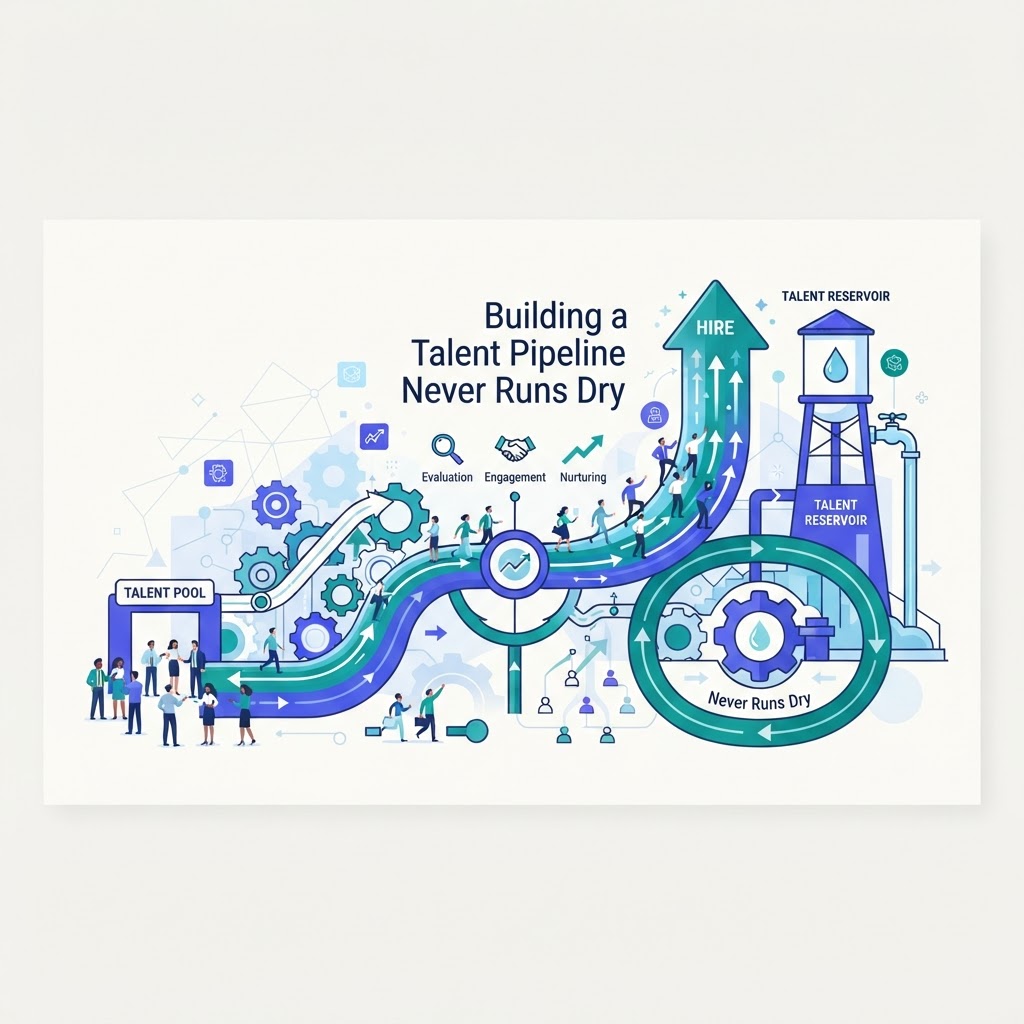
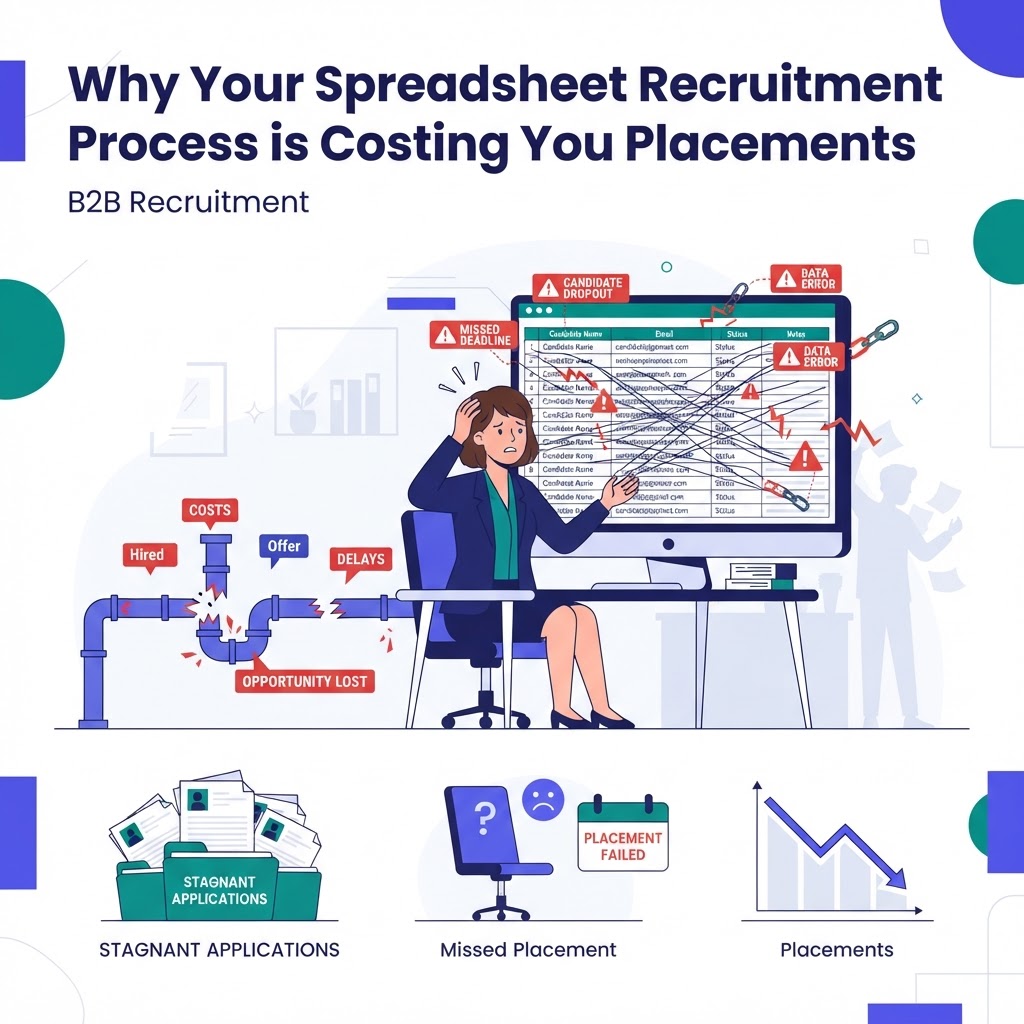
In the fast-paced world of technology, the speed at which you identify and engage top-tier developers can determine your firm's market dominance. IT recruitment is fundamentally different from general staffing; it requires deep technical vetting, long-term talent nurturing, and the ability to track candidates across multiple, overlapping technical stacks. Without a specialized recruiting CRM IT, firms often lose track of high-value passive candidates in a sea of spreadsheets and disconnected emails.
Why IT Recruitment Demands Specialized CRM Solutions
The IT landscape is defined by scarcity. Data suggests that developers often receive multiple offers simultaneously, meaning a candidate's availability can shift from active to off-market in less than 48 hours. A general-purpose CRM often lacks the technical metadata needed to index skills like Python, Kubernetes, or Rust effectively. By using a recruiting CRM IT platform, agencies can move beyond basic contact management to build a dynamic, searchable talent inventory that maps developers to specific language proficiencies and years of project experience.
Managing Complex Technical Pipelines
Technical pipelines require a multi-stage approach that includes initial screening, technical assessments, and stakeholder interviews. The bottleneck in IT hiring is almost always the technical screening phase. When you use RecruiterCRMFlow, you can automate these stages by triggering automated email workflows that send technical coding challenges directly to candidates. This ensures that you are only presenting pre-vetted, high-quality talent to your clients, which increases your submittal-to-interview ratio by an estimated 20% compared to manual processes.
Automated Sourcing and Candidate Engagement
Passive candidates comprise over 70% of the tech workforce. These individuals are rarely applying to job boards; they are found on GitHub, Stack Overflow, and LinkedIn. Your CRM needs to act as a bridge between these platforms. Integrated sourcing tools allow you to scrape profiles and auto-populate candidate cards with relevant work history. Instead of spending hours manually inputting data, a recruiter can focus on personalized outreach, which has been shown to increase candidate response rates by up to 35% in highly competitive developer markets.
Streamlining Client Collaboration and Feedback Loops
Communication breakdown between agencies and clients is the primary cause of missed placements. When a developer is submitted for a role, the feedback process must be instantaneous. A robust CRM provides a client portal or automated feedback integration, allowing hiring managers to move a candidate from 'Screening' to 'Offer' with a single click. This transparency creates a stronger partnership between your firm and the enterprise client, as they can see exactly where the pipeline stands in real-time without needing a manual status update email.
Leveraging Data for Predictive Hiring
Data is the greatest asset for any modern recruiting firm. By utilizing the analytics dashboard within a dedicated recruiting CRM IT solution, you can identify which sourcing channels yield the best hires and which stage in the interview process sees the most candidate drop-offs. For example, if you notice 60% of candidates fail at the technical assignment stage, you know to coach your candidates more effectively or work with your client to adjust their assessment difficulty. This data-driven approach shifts your firm from a transactional vendor to a strategic talent partner.
Conclusion
The complexity of hiring in the tech sector necessitates more than just a digital rolodex. By implementing a purpose-built recruiting CRM IT solution like RecruiterCRMFlow, you gain the ability to manage intricate developer pipelines, automate manual screening tasks, and build stronger relationships with both passive candidates and hiring managers. In a market where timing is everything, the right technology ensures you remain ahead of the competition and consistently fill roles with the best technical talent available.