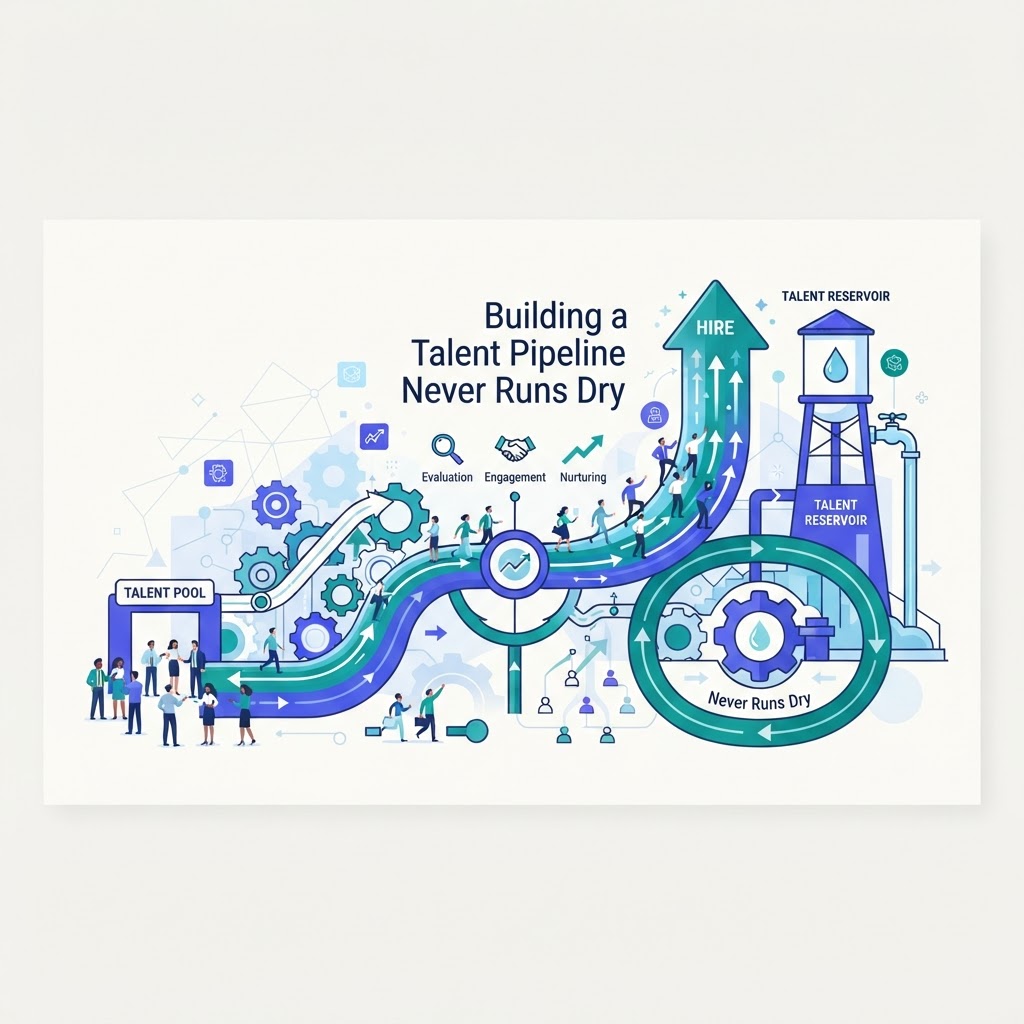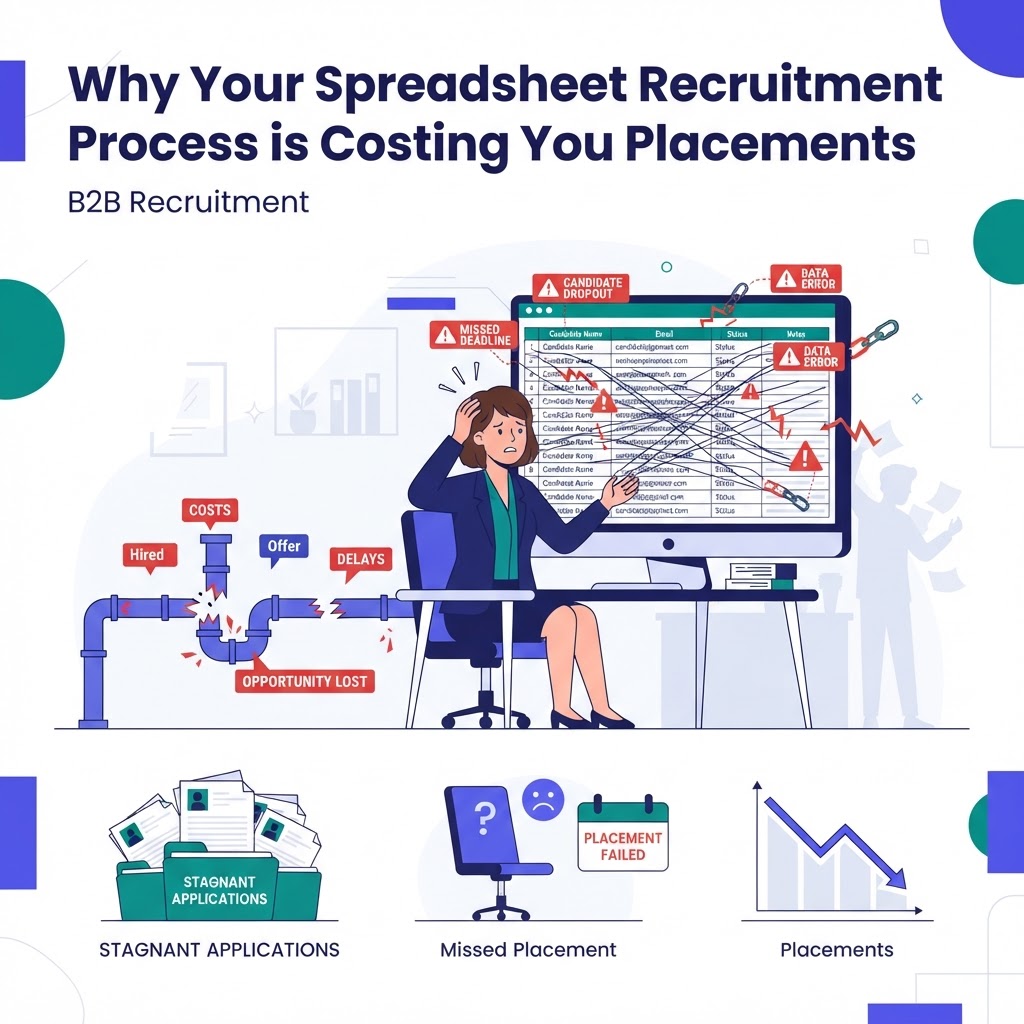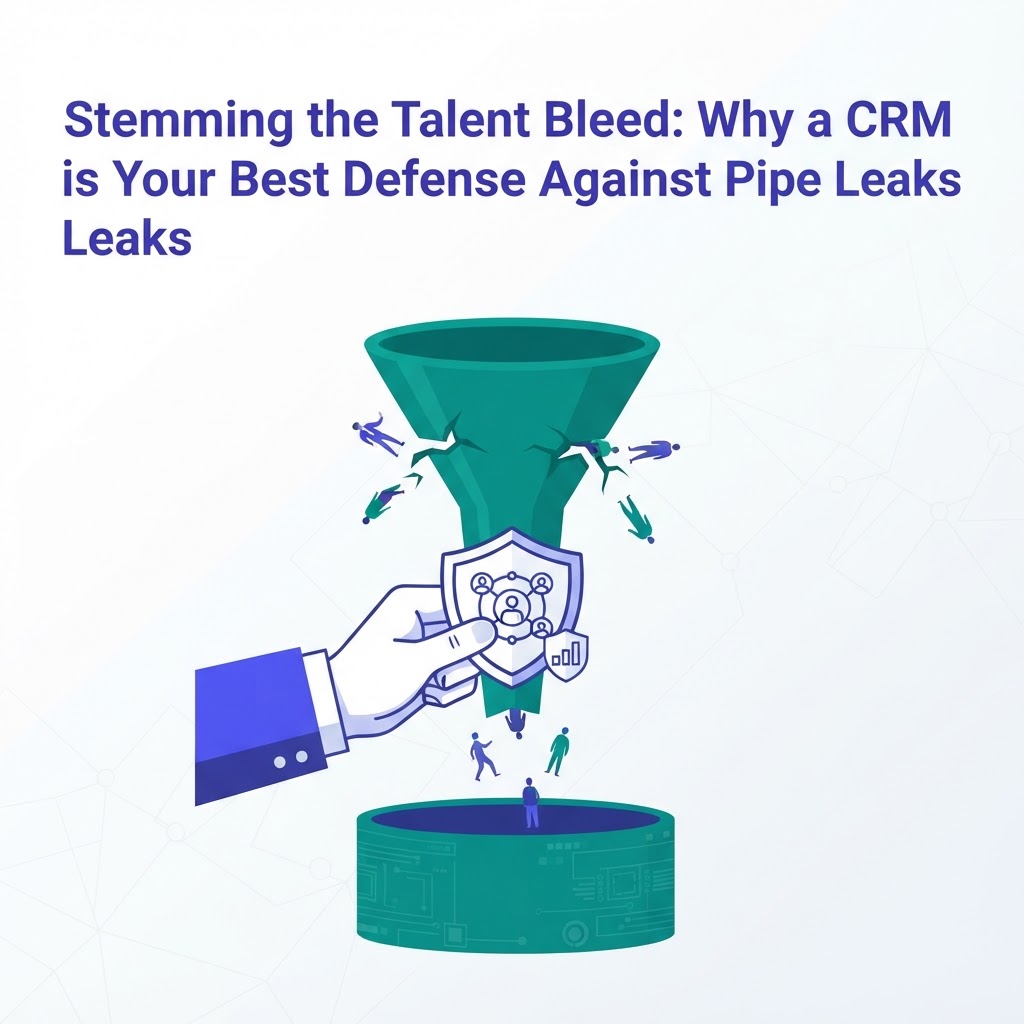
In the high-stakes world of executive search and professional recruitment, the speed of your hiring funnel is often inversely proportional to your quality of hire. Every day, recruiters allow high-caliber candidates to slip through the cracks simply because they rely on fragmented tools like spreadsheets, email folders, and sticky notes. When you operate without a centralized recruiting CRM, you aren't just losing time; you are hemorrhaging the most valuable asset in your business: relationships.
The Silent Killer: Why Pipelines Leak Without Tracking
Most recruiters believe they are organized, but they often mistake "busy work" for a "structured process." Without a CRM, candidate interactions are trapped in individual email threads. When a candidate reaches out for an update and you cannot instantly recall the last conversation, the sentiment shift is immediate. Studies suggest that top-tier talent stays on the market for an average of just 10 days. If your manual tracking leads to even a 48-hour delay in response, your candidate has likely already entertained an offer from a competitor.
How Manual Tracking Costs You Money
Consider the hidden costs of "tool-hopping." If a recruiter spends 30 minutes searching for a candidate's resume across three different folders, that is 30 minutes of lost productivity. Over a year, this adds up to hundreds of hours of non-billable time. Furthermore, without a centralized system, you face the risk of duplicate outreach. There is nothing more damaging to your agency's professional reputation than reaching out to a candidate who is already in your process, only to show you have no record of their current status.
The Strategic Advantage of RecruiterCRMFlow
RecruiterCRMFlow acts as the single source of truth for your agency. By consolidating every touchpoint, resume version, and interview feedback note into one profile, you eliminate the "where did I put that?" syndrome. Our platform ensures that when a top-tier candidate surfaces, you are already prepared with their full historical context. This isn't just about storage; it is about building a proactive talent engine where no follow-up is ever forgotten.
Automating the Candidate Journey to Prevent Attrition
One of the biggest leaks in any pipeline is the "black hole" phase—the time between submission and interview. Candidates often abandon the process when they perceive a lack of communication. Using the automation features within RecruiterCRMFlow, you can schedule personalized nurture sequences that keep candidates engaged even during long hiring cycles. By automating status updates, you maintain a human connection at scale without adding manual labor to your daily schedule.
Data-Driven Decisions for Better Placement
When your pipeline is tracked inside a CRM, your data becomes actionable. You can identify exactly where candidates drop off. For instance, if 40% of your candidates are withdrawing after the first technical interview, your CRM analytics will highlight the bottleneck. This visibility allows you to coach hiring managers or adjust your sourcing strategy in real-time. Without a CRM, you are guessing; with RecruiterCRMFlow, you are optimizing.
Conclusion: Stop the Bleed
The market for top talent is unforgiving. Every unrecorded call, every missed follow-up, and every unorganized resume is an invitation for your competitor to poach the talent you worked so hard to find. By implementing a dedicated CRM like RecruiterCRMFlow, you transform your recruitment agency from a collection of reactive task-doers into a proactive, data-driven powerhouse. Stop the bleed, regain control of your pipeline, and start placing more candidates today.