The current labor market is defined by a paradox: while open roles are plentiful, finding the right talent has become an increasingly difficult exercise in patience and precision. High-performing candidates are rarely actively looking for work, and traditional reactive recruitment strategies—posting a job description and hoping for the best—are failing to deliver results. In an environment where talent scarcity is the norm, businesses must transition from reactive posting to proactive engagement. This is where a dedicated recruiting CRM becomes not just a tool, but a strategic necessity.
The Cost of Reactive Recruiting in a Tight Market
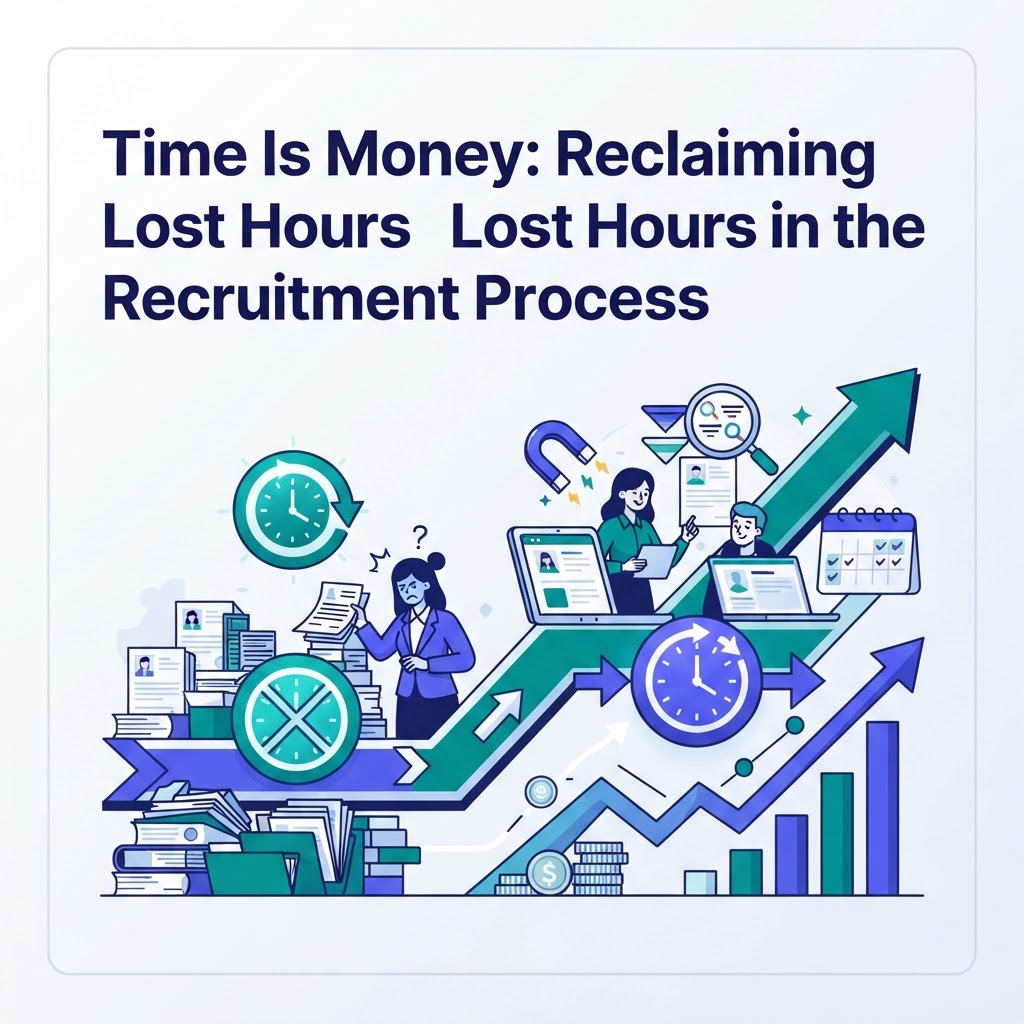
When a role opens, most companies rush to LinkedIn or job boards. This reactive approach is inherently flawed. By the time a candidate sees your ad, your competitors have likely already engaged them. Without a centralized database, businesses often lose track of high-potential candidates they encountered months or years ago. Research shows that as much as 60 percent of a recruiter’s time is wasted on manual data entry and searching through disorganized spreadsheets. This friction kills your speed to hire and allows top-tier talent to slip through the cracks of a disorganized hiring process.
Transforming Passive Candidates into Active Hires
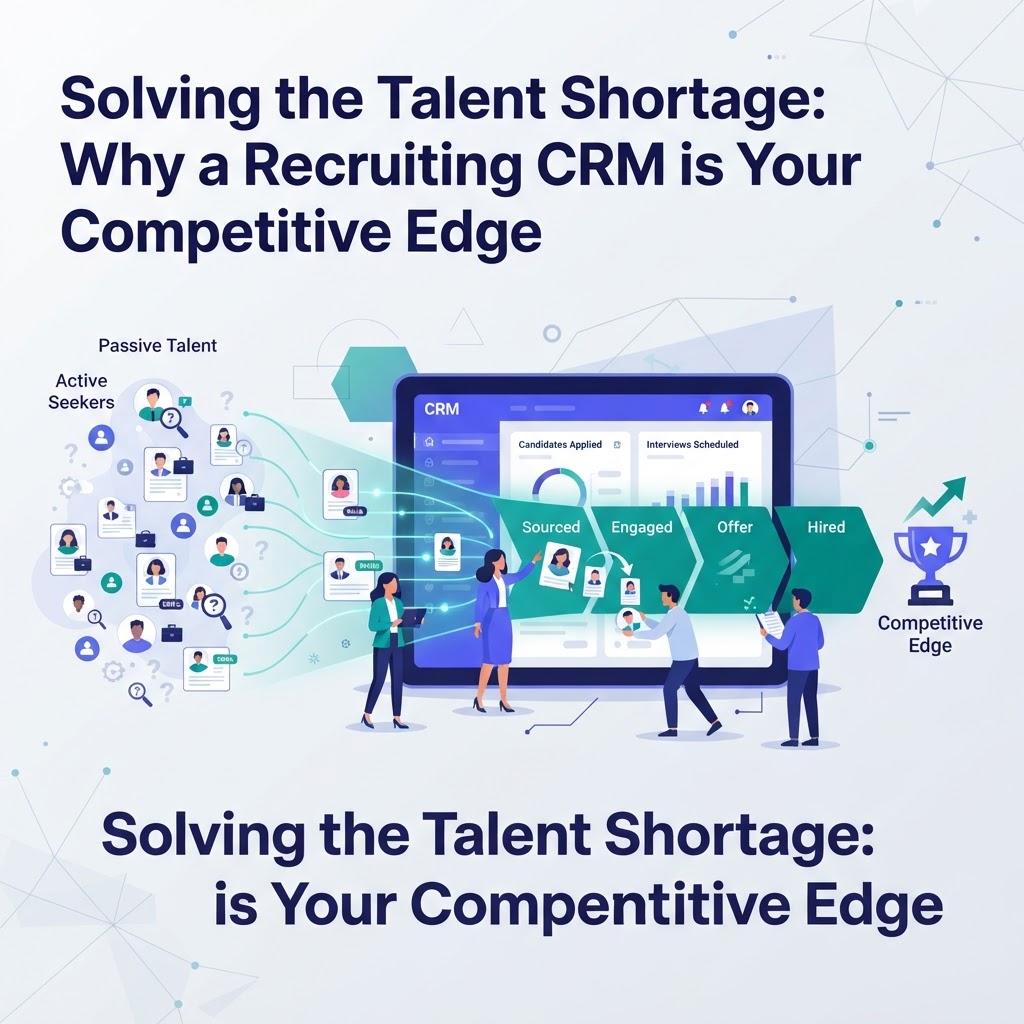
Proactive sourcing is the primary antidote to talent shortages. A recruiting CRM, such as RecruitingCRMFlow, allows your team to build a proprietary database of passive talent—individuals who are not currently applying but might be open to a conversation if the timing is right. By maintaining a relationship with these individuals over time, you build a bench of candidates before you actually have a vacancy. This "warm" pipeline drastically reduces time-to-hire because you are reaching out to people who already know your employer brand, rather than cold-calling strangers.
Leveraging Data to Stop Talent Leakage
One of the biggest silent killers in recruitment is "lost talent." This refers to candidates who expressed interest in your company in the past but were ignored or lost in an inbox. A CRM acts as the memory of your recruiting department. By centralizing every interaction, email, and interview note, RecruitingCRMFlow ensures that no candidate is ever forgotten. Consider the following advantages of using a CRM for candidate management:
- Automated nurture sequences that keep your company top-of-mind for passive talent.
- Categorization and tagging of skills, making it easy to identify hidden gems in your existing database.
- Real-time visibility into the candidate journey, preventing duplicate outreach efforts.
- Improved data accuracy, which leads to better decision-making and predictive hiring.
Building an Automated Talent Ecosystem
Efficiency is the engine of a successful recruitment strategy. Without automation, scaling your hiring efforts during a growth phase becomes impossible. A CRM allows you to automate repetitive tasks like scheduling interviews, following up with applicants, and sending personalized touchpoints. For instance, RecruitingCRMFlow enables your team to set up automated workflows that trigger personalized messages to candidates based on their last interaction. This level of personalized, consistent engagement is what separates companies that thrive during a talent shortage from those that struggle to fill seats.
Improving Candidate Experience as a Differentiator
In a competitive market, candidate experience is your greatest marketing asset. If a candidate has a seamless, professional, and responsive interaction with your team, they are significantly more likely to accept an offer. A CRM helps you maintain this standard of excellence by ensuring no message goes unanswered. When candidates feel valued and respected, they are more likely to refer others to your company, creating a flywheel effect of talent acquisition. Technology that tracks these touchpoints prevents the "black hole" effect where candidates feel abandoned after submitting their resumes.
Conclusion: The Future is Proactive
Solving the talent shortage isn't about working harder; it is about working smarter. By adopting a recruiting CRM like RecruitingCRMFlow, you shift your focus from constant firefighting to building a sustainable, long-term talent pool. The ability to nurture, track, and re-engage candidates is the differentiator that will define success in the modern recruiting landscape. It is time to stop letting your best potential hires disappear into the void and start building a recruitment infrastructure that serves your business goals for years to come.